
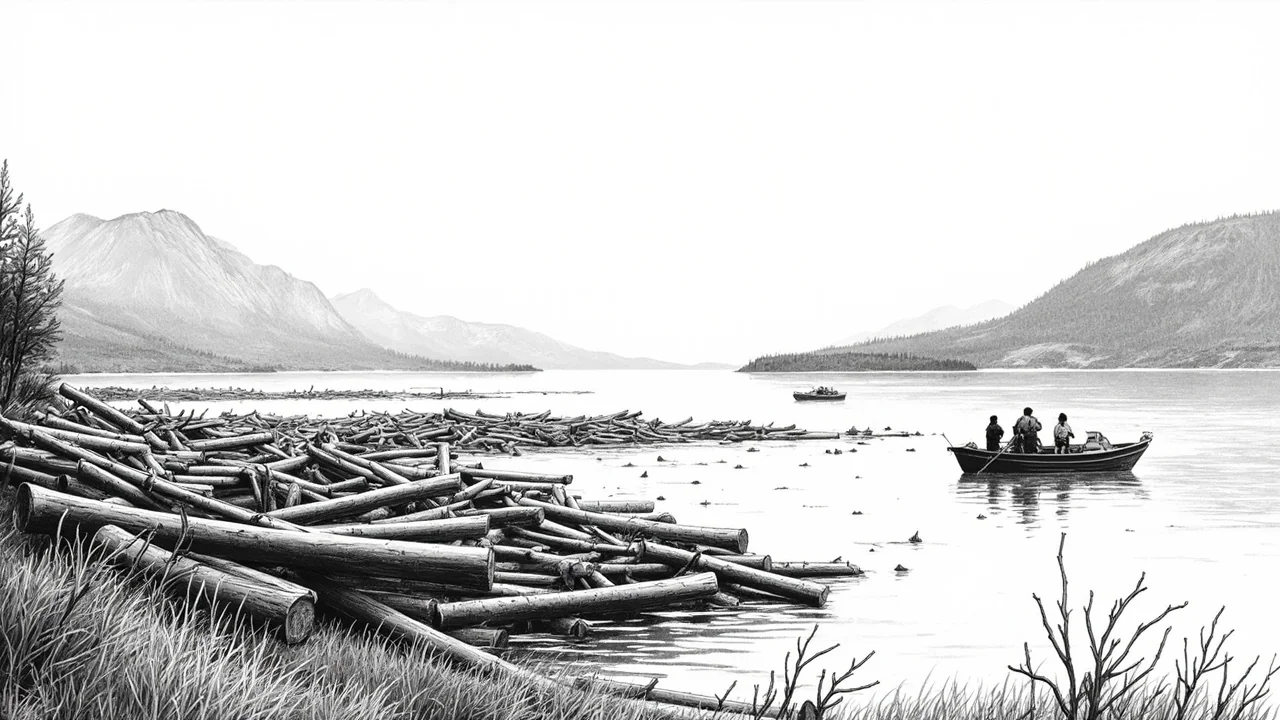
Norway's Osterfjorden faces a significant environmental and navigational hazard after 40 cubic meters of timber spilled into the water. The incident occurred Sunday when a timber support structure failed at the Eknes timber quay on the Alversiden side of the fjord. Robert Sævereid, the on-duty harbor inspector for Bergen Port, confirmed the details. Darkness prevented immediate cleanup efforts, raising immediate safety concerns.
“It is dangerous. You cannot see it in the dark,” Sævereid warned. He urged people with boats and moorings in the area to be extremely cautious. While much of the timber has currently drifted ashore, officials fear strong winds forecast overnight could dislodge it back into the main shipping channels. This event triggered a multi-agency response and cast a spotlight on a day of diverse emergency calls across Vestland county.
A Cascade of Weekend Emergencies
The timber spill was not an isolated incident this Sunday. Emergency services across the region were stretched thin responding to multiple calls. On the island of Askøy, at Hauglandshella, fire crews rushed to a reported blaze. Initial reports were vague, citing visible smoke. Operations leader Tore-Andre Brakstad confirmed firefighters were on scene tackling a fire in difficult, rugged terrain. Strong winds in the area, with gusts up to 19 meters per second according to the Yr weather service, complicated firefighting efforts and raised the risk of the fire spreading.
Simultaneously, the Norwegian Water Resources and Energy Directorate (NVE) issued a significant avalanche warning for the Voss and Hardanger regions. The warning cited strong winds combined with fresh snowfall, creating unstable conditions where avalanches could be triggered easily or release spontaneously. The hardest-hit areas were expected to be around Haukeli and Røldal. This warning put mountain communities and travelers on high alert, adding another layer of risk to the day's events.
Controlled Burns and Uncontrolled Flames
Further south in Austevoll, a controlled pasture burning was underway on Kamsøya. The 110 emergency center in Vest received numerous calls from concerned citizens seeing smoke. Vaktleder Stian Kvam assured the public the fire was under control and part of planned agricultural activity. However, just a few hours later and further north in Øygarden, an uncontrolled terrain fire broke out near Blomvåg. A tipster reported the flames were spreading rapidly across an area initially estimated at a couple of acres.
By 3:30 PM, fire commander Stian Kvam reported the blaze was contained. “There are no longer open flames. The crews continue working to douse it with water, and they will continue as long as there is daylight,” he said. The cause of this fire remains unknown, with officials unable to confirm if it was linked to pasture burning or another source. “We will put it out, then the police can find out what happened,” Kvam stated, highlighting the separation between emergency response and investigation.
The Human Element in a Hazardous Day
The day's dangers culminated in a personal emergency at Tveitavannet in Alver municipality. Police reported an individual had fallen through the ice at Breivika. In a fortunate turn, the person was helped by others at the scene and managed to get out of the water. Police did not release the condition of the individual but confirmed the incident was responded to. This near-tragedy underscored the varied risks present in the Norwegian landscape, from industrial accidents to natural terrain and seasonal ice hazards.
Environmental experts point to the timber spill as a particular concern. Loose timber in a major fjord like Osterfjorden poses a direct collision risk for all vessel traffic, from small recreational boats to larger commercial ferries. The logs can damage hulls and propellers, potentially causing costly repairs or even sinkings. Furthermore, the timber itself represents a pollution event. Treated wood can leach chemicals into the marine environment, while even untreated logs can disrupt local ecosystems and create debris on shorelines.
Response Protocols and Systemic Pressures
The simultaneous nature of these incidents reveals the operational tempo for Norway's emergency services. From the Havneinspektør (Harbor Inspector) dealing with a maritime environmental hazard, to the Brannvesen (Fire Service) tackling multiple fires in challenging conditions, and the Politiet (Police) responding to personal emergencies, the system was tested across a broad geographic area. The strong winds reported by Yr were a common aggravating factor, influencing the avalanche danger, fire spread, and the movement of the spilled timber.
Infrastructure integrity is another key question raised by the timber spill. The failure of a support structure at an operational quay suggests a need for inspection and maintenance reviews at similar facilities. Harbor authorities will likely investigate whether the failure was due to material fatigue, structural overload, or environmental factors like the high winds. Ensuring the safety of such industrial waterfront sites is critical to preventing repeat incidents, especially near sensitive marine environments and busy waterways.
Looking Ahead: Cleanup and Accountability
The immediate priority for authorities is the safe removal of the 40 cubic meters of timber from Osterfjorden. This operation will require daylight and likely involve specialized vessels and crews to corral and extract the logs from the water. The cost of the cleanup and any potential fines for environmental discharge will fall to the operator of the Eknes timber quay. The company responsible for the site will face scrutiny over its safety protocols and maintenance records.
For local residents and boaters, the incident is a stark reminder of unpredictable hazards. Sævereid's warning about the invisible danger in the dark is particularly poignant. It highlights how a sudden industrial accident can transform a familiar fjord into a risky environment. The coming days will show how effectively and quickly the fjord can be returned to a safe state. Will this event prompt wider inspections of coastal industrial infrastructure? The answer may determine if such spills remain a rare accident or a symptom of a larger problem.