
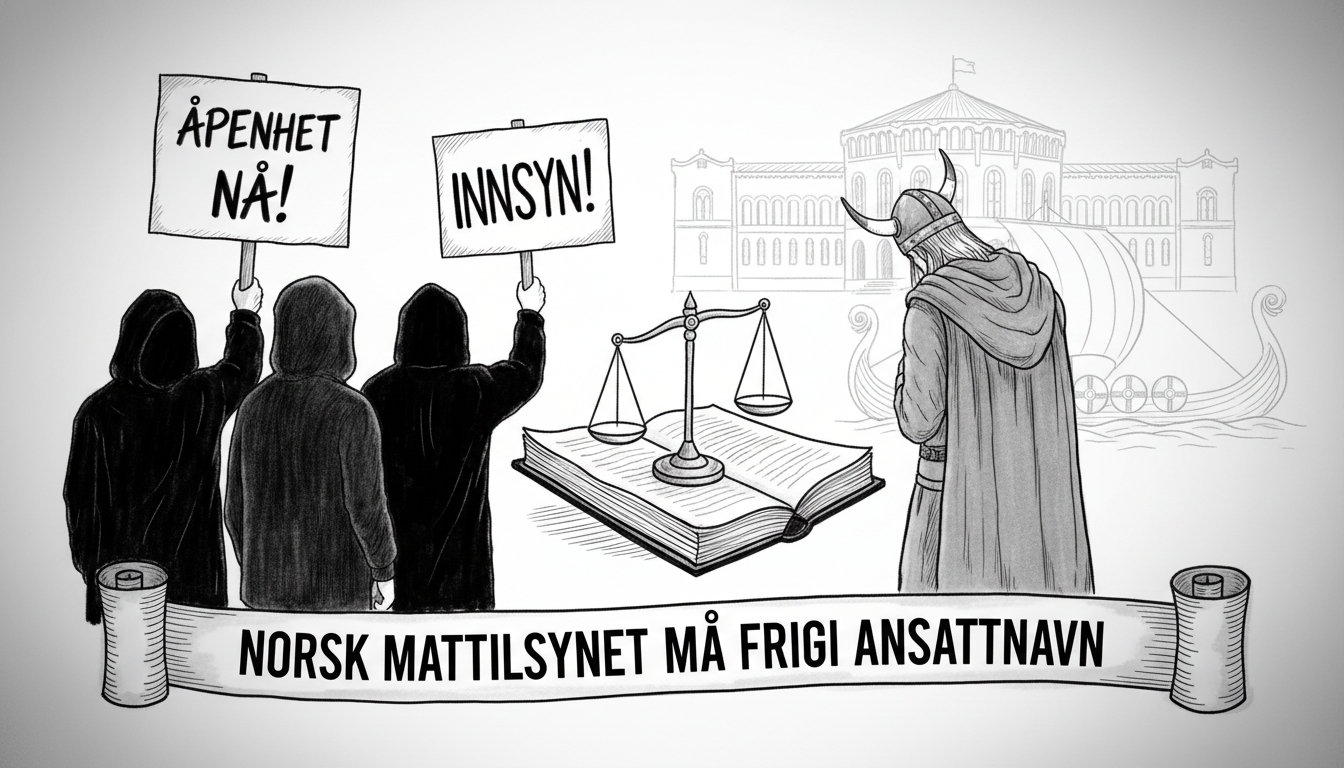
The Norwegian Food Safety Authority faces a major transparency order with significant security implications. The national Civil Ombudsman has ruled the agency must release the names of all 1,250 employees to animal rights activists and other requesters. This decision stems from a formal demand by the Network for Animal Freedom.
Agency leadership and union representatives are voicing deep concern. They argue public identification could lead to targeted harassment. The four main union stewards detailed their fears in a joint email. They stated identification would likely result in harassment of individual inspectors and their families.
This case tests the balance between public transparency and civil servant safety. The Ombudsman's ruling cites a core principle of Norwegian public administration. Hanne Harlem, the Civil Ombudsman, was clear in her assessment. She stated that who works in public administration and how their work is performed is public information.
Lena de Faveri, Director of the Governance Department at the Food Safety Authority, expressed the agency's position. She said the agency finds the ruling demanding and is worried about employee safety. The inspectors conduct sensitive work, including farm raids and slaughterhouse checks. Their decisions can directly impact agricultural businesses and animal welfare standards.
This situation is not entirely unprecedented in Norway. Public sector transparency is a deeply held value, rooted in laws like the Public Administration Act. Yet, past incidents involving activists and officials have prompted security reviews. The Norwegian Police Security Service has previously warned of increased activism targeting state agencies.
The ruling forces a difficult conversation about the limits of open government. Norway consistently ranks high on global transparency indexes. This commitment is a cornerstone of public trust. However, the practical safety of civil servants performing enforcement duties is now a central question.
What happens next is critical. The Food Safety Authority must comply with the ruling but will likely seek mitigation strategies. This could involve legal appeals or requests for specific security exemptions. The outcome will set a precedent for other regulatory bodies in Norway, from environmental agencies to financial watchdogs.
The story matters for international observers of Nordic governance. It highlights a tension between idealistic transparency laws and modern security realities. Norway's approach to resolving this conflict will be closely watched. The decision impacts not just 1,250 employees but the operational integrity of a key national regulator.
This is a developing policy and security story with direct implications for Norwegian civil service operations. The Storting may need to review relevant legislation if safety concerns materialize. For now, agency employees await clarity on how their personal information will be protected in a new era of enforced transparency.