
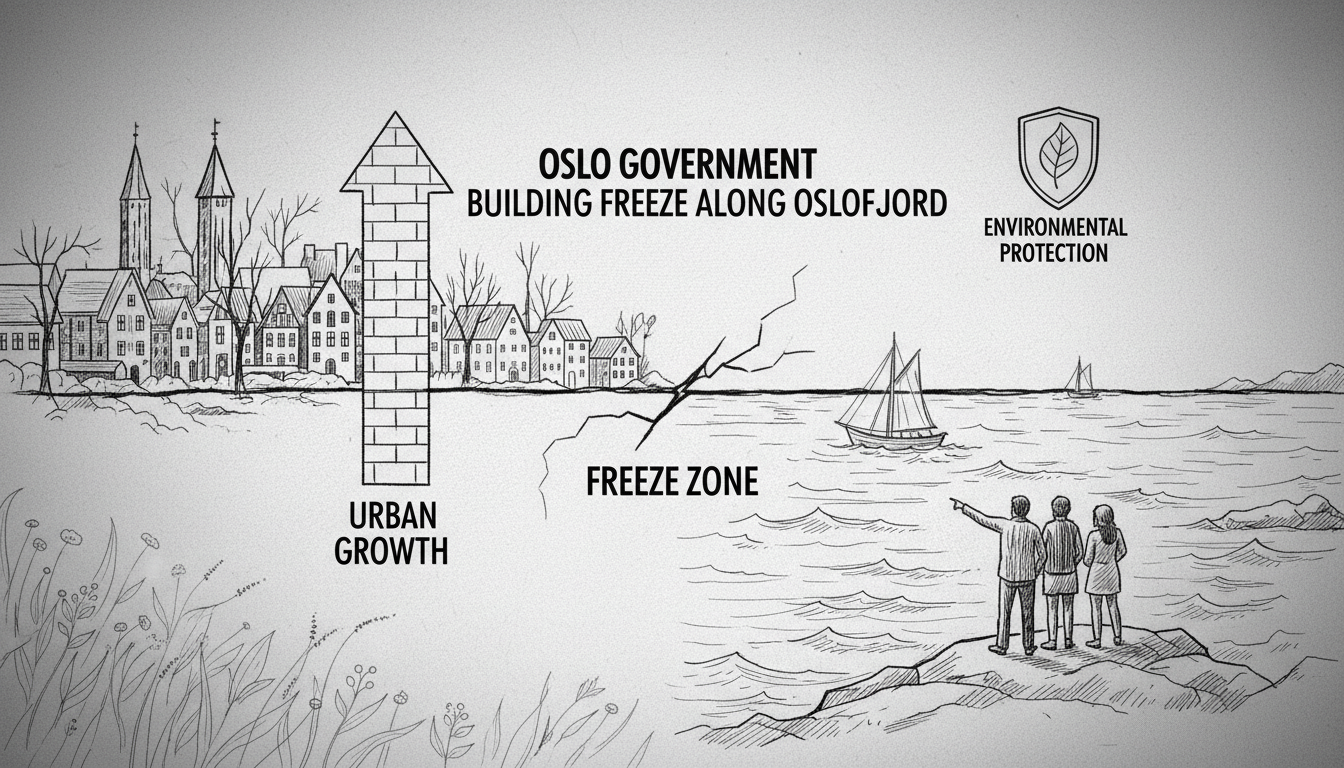
The Norwegian government is weighing a potential construction freeze along the shores of the Oslofjord. This move aims to address severe ecological pressure in a region home to 1.6 million residents. The Minister for Climate and Environment is now reviewing the measure. The Oslofjord's ecological health is under intense strain, according to the national Environment Directorate. Space is limited, creating major conflicts of interest between development and conservation. For years, the fjord itself has lost out, facing cumulative damage from coastal sprawl.
A government action plan from 2021 sought to improve the situation. It covers municipalities from Kragerø, around the Oslo Bay, and down to the Swedish border. A core principle was building less in the coastal zone. Municipalities were told to apply stricter brakes on development approvals. The proposed freeze represents a dramatic escalation of that policy. It signals a top-down intervention in local planning authority. This reflects growing political urgency over biodiversity loss and water quality.
The Oslofjord is Norway's economic and demographic heartland. Its shores host major cities, industries, and infrastructure. A construction halt would directly impact housing markets and municipal revenues. It pits urban growth against the 'friluftsliv' or outdoor life culture central to Norwegian identity. The debate echoes tensions seen near other major fjords like the Trondheimsfjord. Past governments have often favored development, especially during oil and gas booms. The current centre-left coalition is attempting a clearer environmental pivot.
Local governments have shown inconsistent enforcement of existing shoreline rules. Some municipalities approved extensive projects in protected zones. Others followed stricter interpretations of the national guidelines. This patchwork enforcement undermined the 2021 plan's goals. A uniform freeze would override these local discrepancies. It would also test the government's resolve against powerful construction and real estate lobbies. Norway's generous tax deductions for home ownership fuel constant demand for new builds.
What does this mean for the future? A freeze could protect sensitive marine habitats and public access to the shore. It would also constrain solutions to Oslo's housing shortage, potentially driving prices higher. The policy may face legal challenges from property owners and developers. Its success depends on parallel efforts to increase density within existing urban zones. This is a classic Nordic governance dilemma: balancing individual property rights with the collective right to a healthy environment. The government's next steps will reveal how far it is willing to go to defend the fjord.