
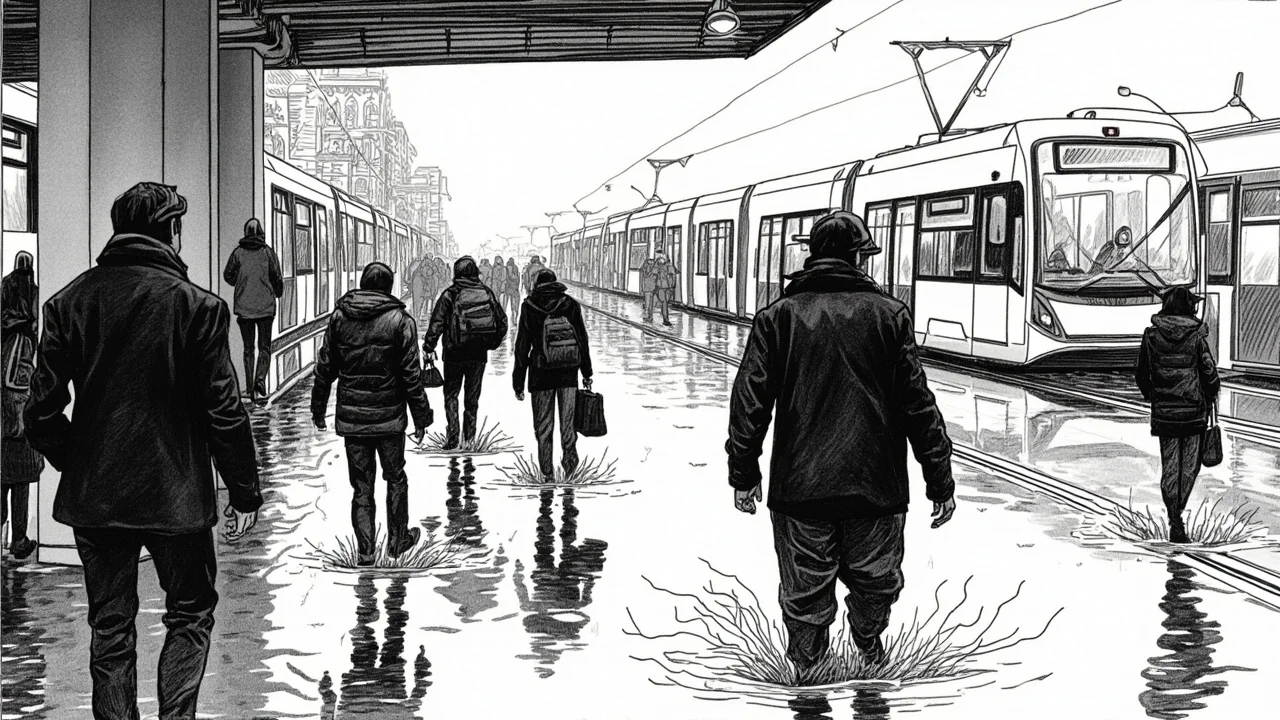
Oslo's public transport crisis intensified Saturday as a major water leak forced two key bus lines onto lengthy detours, disrupting thousands of daily commuters for multiple days. The rupture on Maridalsveien, detected overnight, has severed a critical artery in the city's northeast, halting all traffic and prompting urgent repairs. City officials warn the disruption will persist through the week, highlighting vulnerabilities in the capital's aging infrastructure.
Immediate Impact on City Transit
The Water and Sewage Agency confirmed the leak requires extensive repair work, expected to last several days. Buses 34 and 54, vital connectors between residential areas and the city center, are now bypassing stops between Alexander Kiellands plass and Storgata. Specific halted stops include Jakob Church, Møllerveien, and Telthusbakken. This reroute strands passengers in neighborhoods like Sagene and reduces access to central Oslo.
Ruter's press officer, Eilif Swensen, said the agency is actively planning alternative routing. "We are now planning for how we will continue to operate and which alternative route we will take," Swensen stated. The sudden change leaves commuters scrambling for options, with many reliant on these lines for work and daily errands. Replacement services have not been announced, increasing pressure on other transit links.
City Services Scramble to Respond
Crews from the Water and Sewage Agency are on-site assessing damage to pipes buried under Maridalsveien. Early indications suggest a fracture in a main distribution line, a common issue in parts of Oslo's network that date back decades. Repairing such leaks involves excavating the roadbed, a process complicated by the need to maintain other underground utilities and ensure structural integrity.
The agency faces a delicate balance: restoring water supply and road access quickly while minimizing further disruption. Oslo's intricate web of subsurface infrastructure often turns a single repair into a complex engineering puzzle. This incident echoes similar water leaks in recent years, pointing to systemic challenges.
Commuters Voice Mounting Frustration
For residents, the detour translates to longer commutes and unreliable travel times. "I depend on the 54 bus to get to my job near Storgata," said Kari Larsen, a regular commuter. "Now I have to walk 15 minutes to another stop, and I'm late. This happens too often." Her sentiment is shared by many who see such disruptions as a failure of urban maintenance.
Local businesses along the affected route also feel the pinch. Reduced foot traffic from bypassed buses can mean a significant drop in daily revenue for cafes and shops. The timing, during a weekend, exacerbates the impact on retail and service establishments that rely on steady customer flow.
Analyzing Oslo's Infrastructure Achilles' Heel
This leak exposes broader issues within Norway's capital. Oslo's water and transport systems, while modern in parts, suffer from aging components in historic districts. Maridalsveien runs through an area with older pipe networks, where maintenance budgets have struggled to keep pace with wear. Investment cycles often prioritize new projects over legacy system upkeep.
As Norwegian Affairs Correspondent, I see this event as a microcosm of a national conversation. Norway's wealth from oil and gas has funded public services, yet urban infrastructure in cities like Oslo requires sustained, targeted funding. The Storting frequently debates municipal finance, but leaks like this underscore the tangible consequences of deferred maintenance.
Expert perspective from urban planners suggests a reactive repair culture dominates. "We fix pipes when they break, rather than replacing them proactively," noted a senior engineer with the agency, speaking on background. "This saves money short-term but costs more in disruption and emergency repairs. A strategic renewal plan is needed."
Historical Context of Water Woes
Oslo has faced similar incidents in the past. In 2022, a leak in Frogner caused days of traffic delays. Each event prompts temporary fixes but seldom leads to comprehensive network upgrades. The city's hilly terrain and dense urban fabric make repairs inherently disruptive, a reality planners must navigate.
The Norwegian government's focus on Arctic policy and energy often overshadows domestic urban issues. However, livability in Oslo depends on reliable infrastructure. Events like this leak test public confidence in municipal governance and highlight the need for cross-party support for infrastructure bills.
The Road to Recovery and Future Steps
Repair timelines remain fluid, but agency officials aim to restore normal traffic flow by mid-week. The process involves not just fixing the pipe but also repaving the road surface to ensure safety. Commuters should prepare for continued detours and allow extra travel time.
Ruter may adjust other bus routes to alleviate pressure, but capacity constraints limit options. The agency's communication strategy will be crucial in keeping the public informed through digital channels and on-site signage.
Long-term, this incident may fuel debate in the Oslo City Council about accelerating pipe replacement programs. Budget allocations for water and sewage networks are likely to face scrutiny in upcoming fiscal discussions. The cost of this repair, while unconfirmed, will add to the annual bill for emergency infrastructure work.
A Call for Proactive Investment
As Oslo grows, its infrastructure must keep pace. This water leak is more than an inconvenience; it is a signal. Norway's capital cannot afford to let its foundational systems deteriorate while focusing solely on grand projects. The balance between new development and legacy maintenance defines urban resilience.
Will this event trigger a sustained investment in Oslo's hidden pipelines, or will it be another fleeting headline? The answer lies in whether city leaders and the public demand a shift from reactive patches to proactive renewal. For now, commuters navigate the detours, a daily reminder of the city's fragile bones.