
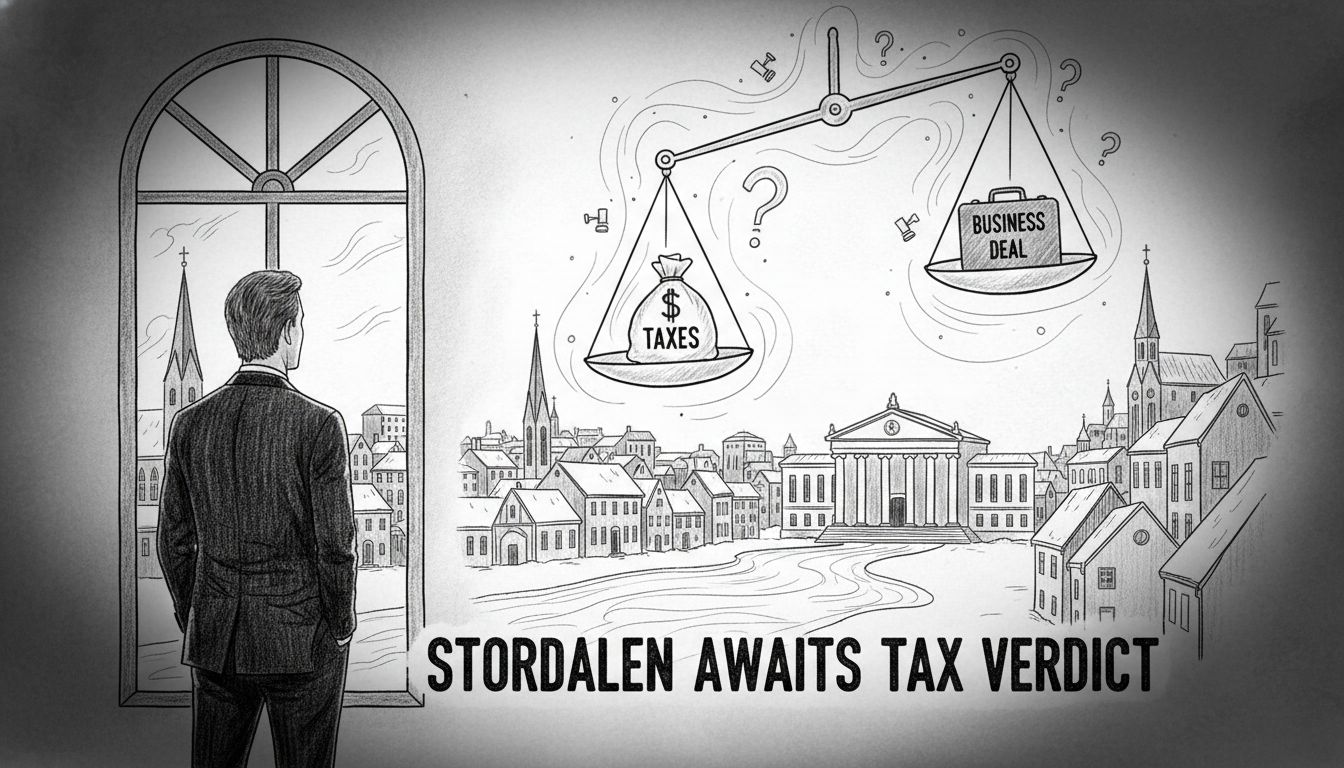
Norwegian hotel billionaire Petter Stordalen will learn his fate on Monday when a court delivers its verdict in his high-stakes tax case. The ruling comes after Stordalen appealed an earlier decision that ordered him to pay 180 million kroner in taxes.
The legal battle centers on whether Stordalen improperly exploited tax benefits when he purchased Oslo Properties in 2013. The company, which he renamed Strawberry Fields, had accumulated substantial tax advantages during its previous ownership. Norwegian tax authorities argue these benefits should not have transferred to Stordalen.
At the heart of the dispute is Stordalen's motivation for the acquisition. Prosecutors claim tax avoidance was the primary driver, while Stordalen maintains it was a legitimate business investment. The case highlights Norway's strict approach to corporate tax enforcement, even for high-profile business leaders.
Following the purchase, Stordalen withdrew over 795 million kroner in dividends without paying taxes. He argues this was legal because the company had previously injected three billion kroner in equity capital, which can typically be withdrawn tax-free. However, tax authorities challenge whether Stordalen was entitled to this exemption.
The case took an unexpected turn when a key financial arrangement collapsed. Stordalen had planned to profit from interest rate differences on a 400 million kroner loan. But the lender, Christian Ringnes, repaid the entire loan immediately after Stordalen's purchase became public, eliminating the potential earnings.
Court proceedings revealed complex business relationships between the parties. Stordalen testified that he had previously paid Ringnes 80 million kroner to resolve a separate dispute and maintain their business relationship. This payment raised questions about their financial dealings.
Legal representatives for the government argued that tax savings represented the main benefit of the acquisition. They noted the potential tax advantage amounted to hundreds of millions of kroner, while other business aspects appeared minimal.
Stordalen's legal team strongly disputes this characterization. They maintain the purchase was driven by sound business considerations, not tax avoidance. The case represents one of Norway's most significant corporate tax disputes in recent years.
The outcome could set important precedents for how Norway treats tax advantages in corporate acquisitions. Business leaders across Scandinavia are watching closely, as similar tax rules exist throughout the Nordic region. The verdict may influence how international investors approach Norwegian companies with accumulated tax benefits.
Norwegian tax law generally allows tax-free withdrawal of previously invested equity capital. However, exceptions apply when acquisitions appear primarily motivated by tax avoidance rather than business expansion. This case tests where courts draw that line.
Stordalen's extensive hotel empire includes properties across Scandinavia and Europe. The tax decision could impact his business operations and future investment strategies. International hospitality investors often monitor Nordic tax rulings for implications on cross-border acquisitions.
The court's decision on Monday will determine whether Stordalen must pay the full 200 million kroner tax bill or receive a more favorable outcome. Either way, the ruling will likely be appealed to higher courts, potentially extending this legal battle for years.