
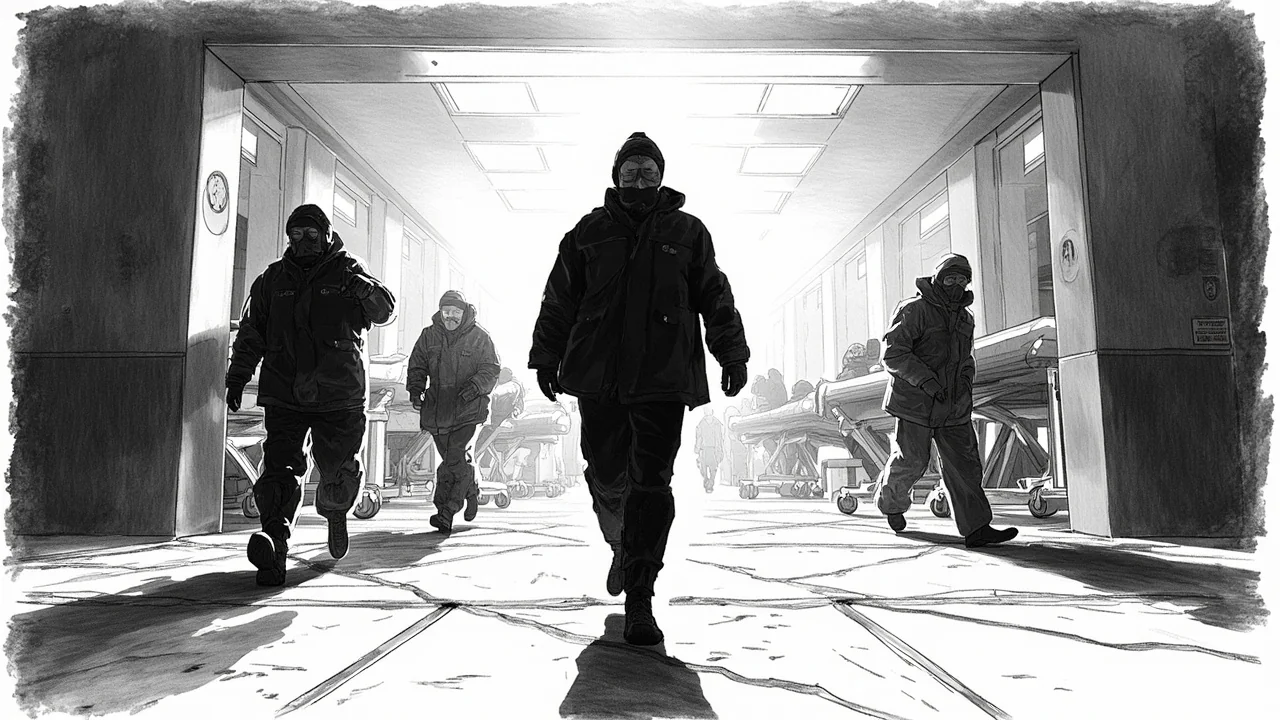
Swedish hospitals face intense strain as emergency departments report a surge in weather-related injuries. The Mölndal emergency unit near Gothenburg experienced a dramatic spike in patient volume following days of icy conditions, with orthopaedic specialists reporting many patients suffering from slips and falls. This local incident highlights systemic pressures on Sweden's healthcare infrastructure during winter weather events, raising questions about preparedness and resource allocation.
A Local Unit Under Pressure
Last week's heavy snowfall and subsequent ice warnings from the Swedish Meteorological and Hydrological Institute (SMHI) created hazardous conditions across the region. The emergency department at Sahlgrenska University Hospital in Mölndal bore the immediate brunt. Anna Rubensson, a senior orthopaedic consultant at the hospital, confirmed the unit was under significant pressure. 'Many people are falling and injuring themselves,' Rubensson stated, describing the direct cause of the increased patient flow. While the source material does not provide specific hourly admission numbers, the characterization indicates a workload exceeding standard operational capacity.
Systemic Strain in Winter Months
This event in Mölndal is not an isolated occurrence but a recurring seasonal challenge for the Swedish healthcare system. Emergency rooms across the country regularly see increased admissions for fractures, sprains, and head injuries during icy periods. The strain extends beyond emergency department waiting times, impacting downstream hospital resources. Orthopaedic wards require more beds and surgical slots, while rehabilitation services face longer waiting lists. This cyclical pressure tests the resilience of a system already grappling with broader issues of staffing and capacity.
The situation prompts analysis of municipal and state responsibilities. Local authorities are tasked with road and pavement maintenance, including snow clearance and salting, to prevent accidents. The effectiveness of these measures directly influences public safety and, consequently, healthcare demand. Simultaneously, regional health authorities must manage hospital resources with flexible staffing models to anticipate and respond to predictable seasonal surges.
Broader Healthcare Policy Context
This incident occurs against a backdrop of ongoing debates in the Riksdag, the Swedish Parliament, concerning healthcare funding and regional equity. Policymakers in Stockholm frequently discuss how to balance emergency care capacity with long-term preventive health strategies. The recurring winter strain on units like the one in Mölndal provides tangible evidence for these discussions, highlighting where system vulnerabilities become acute.
Preventive public messaging is a key tool. The Swedish Civil Contingencies Agency (MSB) and public health authorities often issue advice during severe weather, urging caution and the use of proper footwear. However, the effectiveness of these campaigns is difficult to measure, and as the Mölndal case shows, a significant number of people still suffer injuries. This suggests a gap between public awareness and practical risk mitigation on an individual level.
Infrastructure and Public Responsibility
Beyond healthcare policy, the event touches on urban planning and infrastructure maintenance. Well-lit pathways, effective drainage to prevent ice patches, and timely gritting are crucial municipal functions. The condition of public spaces directly correlates with public health outcomes during winter. Investment in these areas can be viewed as a preventive health measure, reducing the burden on highly specialized and costly emergency medical resources.
Citizens also share responsibility for personal risk management. While authorities work to make public spaces safe, individual choices regarding footwear, route planning, and pace during icy conditions significantly affect personal safety. The concentration of injuries indicates that despite warnings, many are caught unprepared by the sudden change in conditions following snowfall.
Analyzing Regional Response Models
Different Swedish regions may employ varying strategies to handle seasonal admission spikes. Some might establish temporary 'winter injury' clinics to divert simpler cases from main emergency departments. Others could implement enhanced triage protocols specifically for slip-and-fall injuries during alert periods. The experience in Västra Götaland, where Mölndal is located, could offer lessons for other regions. A comparative analysis of response models across county councils could identify best practices for managing predictable seasonal healthcare demand.
Staffing is a perennial challenge. Ensuring adequate nurse, doctor, and radiographer coverage during known high-pressure periods requires careful planning and often involves overtime or flexible scheduling. The physical and mental toll on emergency healthcare workers during these surges is considerable, impacting long-term staff retention and morale in a sector already facing workforce shortages.
Looking Beyond the Immediate Crisis
The acute pressure on the Mölndal emergency room will subside as the ice melts. However, the administrative and medical aftermath continues. Follow-up appointments, surgical procedures for complex fractures, and rehabilitation services will feel the impact for weeks. This ripple effect demonstrates how a short-term weather event creates a long-tail of demand within the healthcare system.
Furthermore, such events disproportionately affect elderly populations, who are more vulnerable to severe injuries from falls and whose recovery is often more complicated. This raises specific questions about targeted preventive measures and community support for older citizens during hazardous winter weather.
A Test of Resilient Systems
In summary, the scene at the Mölndal emergency department is a microcosm of a national seasonal challenge. It reflects the intersection of meteorological phenomena, public infrastructure, individual behavior, and healthcare capacity. While the Swedish system is designed to handle such surges, each event tests its limits and provides data for improvement. The true measure of success lies not in eliminating winter injuries entirely, which is likely impossible, but in minimizing their frequency and severity through coordinated action across multiple sectors of society. As climate patterns potentially shift, leading to more volatile winter weather, the lessons learned from managing these annual pressures will become increasingly valuable for building a more resilient public health infrastructure.