
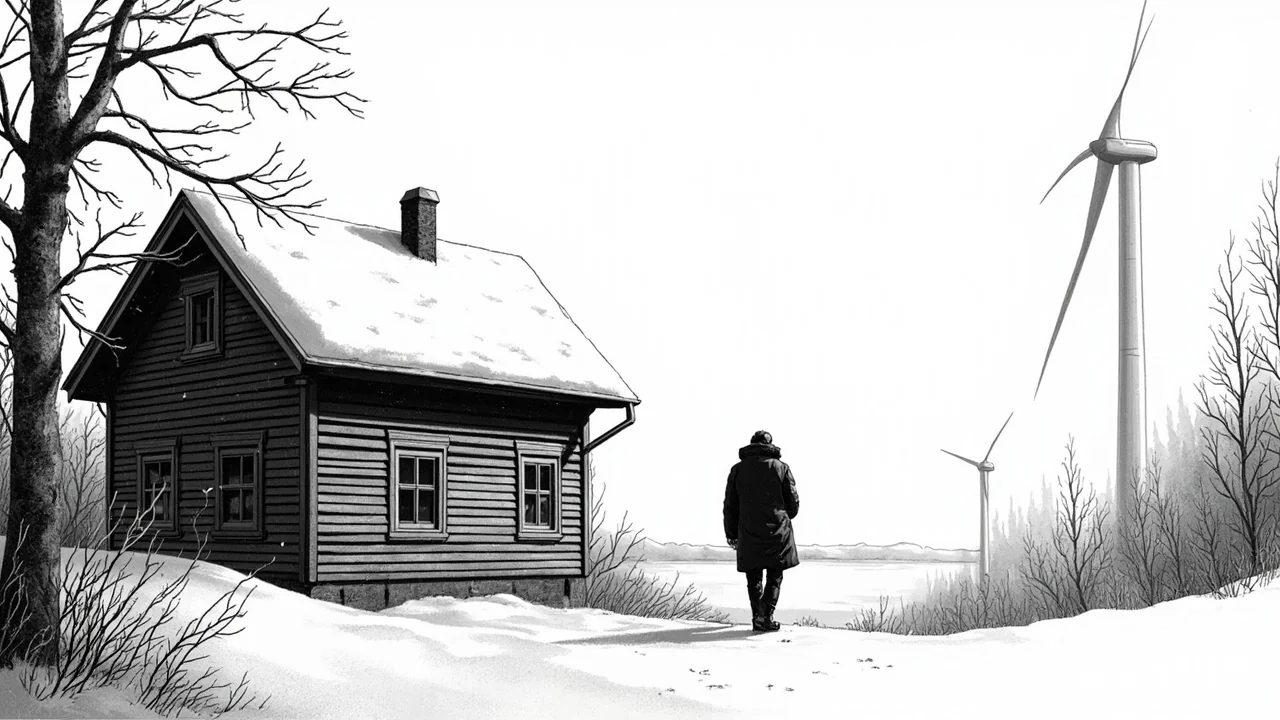
Sweden electricity prices have surged 50% above December forecasts this January, caught off guard by an unusually cold winter and strained hydropower resources. Analysts from elhandelsbolaget Bixia report that households must brace for elevated costs over the coming weeks, with consumption skyrocketing and supply constraints pushing prices higher. This sudden shift marks a stark contrast to earlier mild winter predictions, now upended by freezing temperatures and low water levels.
The Cold Snap's Dramatic Impact
January's temperatures plummeted to minus three degrees Celsius, far from the plus two degrees projected in mid-December. Johan Sigvardsson, an analyst at Bixia, emphasizes this five-degree difference as a key driver. 'When it's as cold as it has been, electricity consumption has risen 12 to 15 percent compared to normal,' he said. The abrupt weather change transformed a stable electricity market outlook into one of heightened demand and price volatility. This consumption spike is directly linked to heating needs, with residential and commercial users drawing more power to combat the chill. The anomaly highlights how sensitive Sweden's energy grid is to winter conditions, where even minor temperature swings can ripple through the market.
Supply Side Under Pressure
Simultaneously, supply challenges have exacerbated the price hike. Weak wind conditions across Sweden and Finland have reduced output from wind turbines, forcing a greater reliance on hydropower. However, water reservoirs are at their lowest levels in three years, limiting this backup source. 'The water reservoirs are the lowest in three years,' Sigvardsson noted, pointing to a critical shortage that tightens the market. With resources stretched thin, prices respond quickly to scarcity. This combination of high demand and constrained supply creates a perfect storm for cost increases, particularly in southern regions where energy needs are most acute. The dependency on weather-dependent renewables like wind and hydropower underscores the fragility of current energy systems during extreme seasons.
Price Projections and Regional Realities
For the first quarter of this year, electricity prices in Sweden are expected to average between 70 öre and 1.10 kronor per kilowatt-hour. In elområde 4, covering southern Sweden, prices are forecast to average 1.10 kr/kWh, while elområde 3, including Göteborg, sees around 1 kr/kWh. These figures represent a significant jump from last year's averages, which ranged from 17 to 80 öre per kilowatt-hour. Despite the rise, current levels remain below the record highs of 2021 and 2022. 'Compared to 2021–2022, we are still not even up to half of those costs,' Sigvardsson added, providing context for the severity of past crises. The 50% price increase from December expectations reflects how rapidly market conditions can shift, catching consumers and forecasters off guard.
Short-Term Outlook and Consumer Impact
In the immediate future, high prices are set to persist. Sigvardsson predicts that elevated costs will continue for four to five weeks, affecting household budgets during the coldest part of the year. 'This week is likely the year's coldest, and thus the one with the highest electricity consumption. Then it will only gradually decrease during the spring,' he explained. This timeline means Swedes must adapt to more expensive electricity for the remainder of winter, with bills reflecting the increased market rates. The analyst's advice is straightforward: get used to higher costs in the short term, as the market adjusts slowly to changing weather patterns and supply dynamics. This period serves as a reminder of the direct link between climate conditions and economic expenses in energy-dependent societies.
Spring Brings Gradual Relief
As winter wanes, relief is on the horizon. Longer days and milder temperatures in spring are expected to reduce heating demands and ease pressure on the grid. Sigvardsson points to a natural decline in consumption as the season progresses, which should help stabilize prices. However, the turnaround won't be instantaneous, it will unfold progressively over the coming months. This cyclical pattern aligns with historical trends where electricity prices peak in winter and dip in warmer periods. For now, the focus remains on navigating the current high-cost phase, with consumers encouraged to monitor usage and stay informed about market updates. The eventual shift underscores the temporary nature of this spike, barring any further unexpected weather events.
Comparing to Historical Benchmarks
When placed against recent years, the current price surge is notable but not unprecedented. Last year's lower averages benefited from milder conditions and better resource availability. In contrast, the extreme prices of 2021 and 2022, driven by geopolitical factors and supply chain issues, set a high bar that today's market hasn't reached. This comparison offers some perspective for consumers facing sticker shock, suggesting that while costs are up, they aren't at crisis levels seen previously. Analysts like Sigvardsson use these benchmarks to temper concerns, emphasizing the market's resilience and the role of seasonal variability. Understanding this context helps households and businesses plan for fluctuations without undue alarm.