
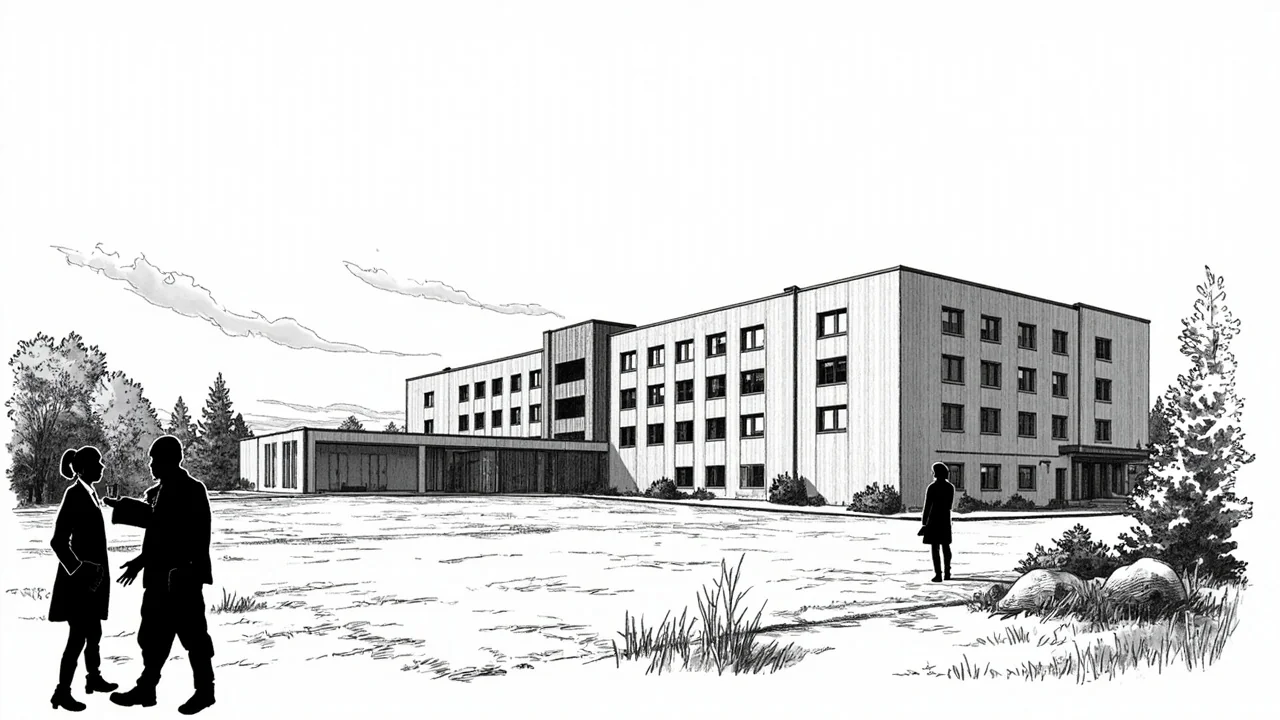
Sweden’s Ekillaskolan in Märsta is under formal investigation by the Swedish Schools Inspectorate (Skolinspektionen) following reports of systemic issues related to guaranteed teaching time and special support for students. The probe, initiated during the autumn term of 2025, marks a significant escalation in ongoing concerns about the middle school’s operations, which have included staff unrest and internal conflicts involving municipal authorities.
Turbulent Year at Märsta Middle School
The current academic year has been marked by instability at Ekillaskolan, a compulsory secondary school serving students in grades 7 through 9. Earlier reports indicated widespread dissatisfaction among staff, culminating in an unusual incident where a municipal employee filed a police report against a school staff member. The complaint reportedly stemmed from critical emails the employee sent to local politicians and the school principal, highlighting perceived failures in school management. While no criminal charges have been disclosed, the episode underscored deepening tensions within the institution.
Ida Domeij, an investigator with Skolinspektionen, confirmed that the agency launched a targeted inspection in early December 2024. “Skolinspektionen initiated a directed supervision of Ekillaskolan during the autumn term of 2025, partly due to received information concerning the school’s compliance with guaranteed instructional time and its provision of special support,” Domeij said. These two areas—ensuring legally mandated teaching hours and delivering tailored educational assistance—are core obligations under Sweden’s Education Act.
Focus on Legal Compliance and Student Support
Swedish law requires all publicly funded schools to provide students with a minimum number of teaching hours per subject and grade level. Additionally, schools must identify students in need of additional academic or social support and implement individualized action plans, known as “åtgärdsprogram.” According to multiple sources familiar with the situation, these programs were reportedly discontinued at Ekillaskolan without formal replacement measures, raising red flags among both educators and oversight bodies.
The discontinuation of åtgärdsprogram—a structured intervention tool designed to address learning gaps or behavioral challenges—appears central to the inspectorate’s inquiry. While the exact timeline of their removal remains unclear, the absence of such plans could constitute a breach of the Education Act, particularly if students with documented needs were left without adequate support. Skolinspektionen’s mandate includes verifying whether schools fulfill their legal duties to all pupils, especially those requiring extra assistance.
Leadership Responds Amid Scrutiny
Anna Svensson, the principal of Ekillaskolan, acknowledged the ongoing investigation but declined to provide further details. “We refrain from commenting on Skolinspektionen’s directed supervision until we have received and reviewed their official decision,” Svensson stated. Her response reflects standard protocol among Swedish school administrators during active inspections, as premature commentary could influence the outcome or be interpreted as obstructive.
Nonetheless, her silence leaves key questions unanswered: When were the åtgärdsprogram discontinued? Who authorized the change? And what alternative measures—if any—were put in place to support vulnerable students? These questions matter not only to parents and staff but also to the broader Swedish education system, which relies heavily on localized implementation of national standards.
A Pattern of Oversight in Swedish Schools?
This case is not isolated. In recent years, Skolinspektionen has intensified its monitoring of schools failing to meet baseline requirements, particularly in rapidly growing municipalities like Märsta, located just north of Stockholm. Population growth in the region has strained educational infrastructure, leading to staffing shortages, overcrowded classrooms, and administrative bottlenecks. While these pressures do not excuse non-compliance, they may help explain how systemic oversights occur.
Still, the law is clear: every student is entitled to full instructional time and appropriate support, regardless of municipal capacity. The inspectorate’s findings could lead to corrective orders, financial penalties, or even the revocation of the school’s operating license in extreme cases. More commonly, however, schools are given a chance to rectify deficiencies within a set timeframe.
What Happens Next?
Skolinspektionen typically concludes its directed inspections within several months, though complex cases may take longer. Once the agency issues its decision, the school and the local municipality—Sigtuna Kommun—will have the opportunity to respond or appeal. If violations are confirmed, the municipality may be required to overhaul its special education protocols, retrain staff, or appoint external supervisors to ensure compliance.
For families at Ekillaskolan, the uncertainty is palpable. Parents have expressed concern not only about missed lessons but also about whether their children’s specific needs are being addressed. Without functional åtgärdsprogram, students with learning disabilities, language barriers, or social-emotional challenges risk falling further behind—an outcome that contradicts Sweden’s foundational principle of equitable education.
The investigation also raises broader questions about accountability in decentralized school systems. While Sweden grants considerable autonomy to municipalities and individual schools, that freedom comes with strict legal responsibilities. When those responsibilities are neglected, who bears the cost? The answer, too often, is the students themselves.
As the probe continues, all eyes remain on Rosenbad—the seat of Sweden’s government—and the Riksdag, where debates over education funding and oversight continue. Yet for now, the focus stays firmly on a single school in Märsta, where the promise of inclusive, high-quality education hangs in the balance. Will Ekillaskolan emerge from this crisis with stronger safeguards—or will it become another cautionary tale in Sweden’s evolving education landscape?
Read more: Sweden Rate Cut Delivers Instant Relief to Floating Mortgage....
Read more: Swedish Hospital Reports Infant Death Under Lex Maria Rules.