
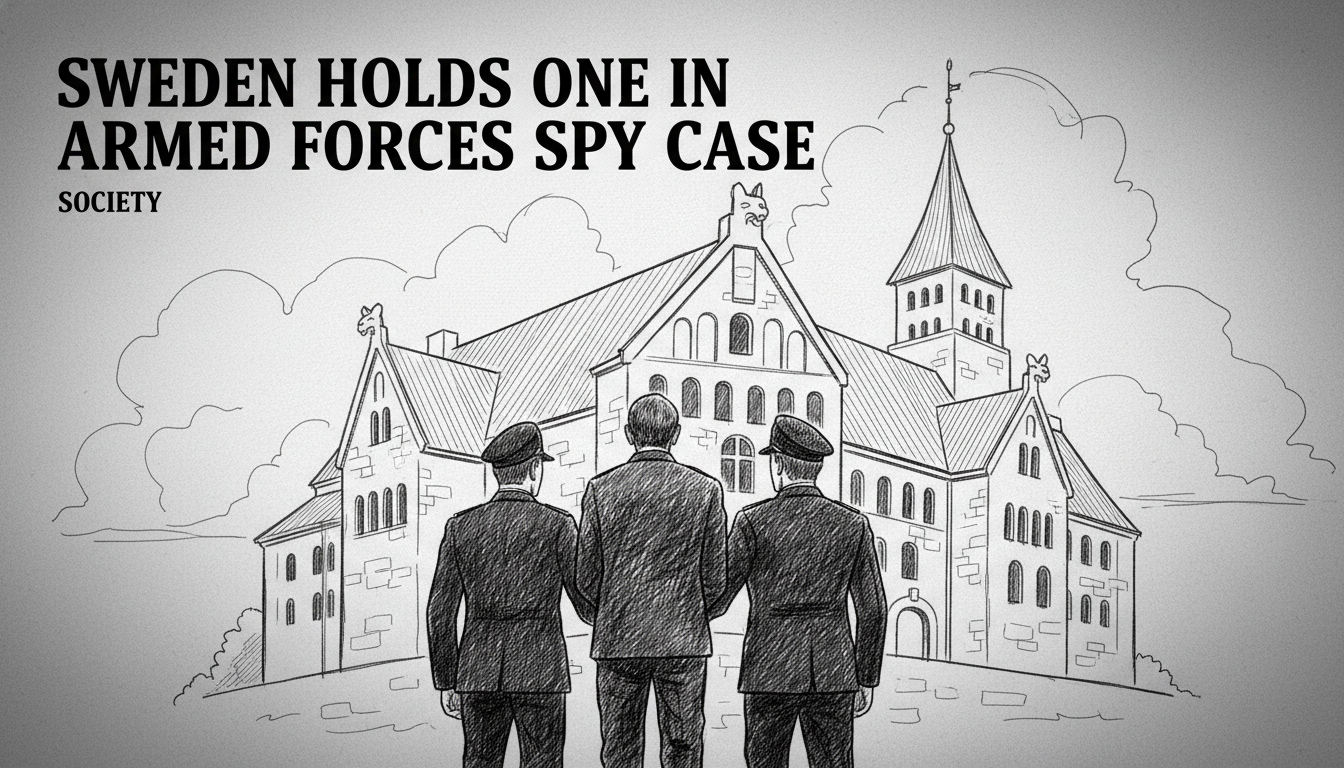
Sweden's latest espionage investigation centers on a single suspect: a 30-year-old Swedish citizen and former employee of the Swedish Armed Forces. He is accused of conducting espionage over a two-year period from 2023 to 2024. This case marks a serious breach within the very institution tasked with national defense. What does it reveal about the vulnerabilities in Sweden's security apparatus?
The man was arrested on Sunday and formally requested to be detained on Wednesday. The Swedish Armed Forces has confirmed his past employment but declined to specify his role or the duration of his service. This opacity adds a layer of complexity to an already sensitive situation. The timing is critical, as Sweden navigates heightened geopolitical tensions and its recent NATO membership.
A Suspect Within the System
The individual at the heart of this scandal is a Swedish national in his thirties. His insider status within the Armed Forces provided potential access to sensitive information. Security protocols are now under intense scrutiny. How did internal checks fail to detect alleged activities spanning two years? This question weighs heavily on defense officials and the public alike. The case challenges the trust placed in national institutions.
Espionage is not a new phenomenon for Sweden. During the Cold War, the country was a key intelligence battleground. Foreign powers, primarily the Soviet Union, actively sought Swedish defense secrets. That historical context makes this modern case particularly jarring. It suggests that external threats have evolved to exploit internal weaknesses. The suspect's citizenship adds a dimension of betrayal that resonates deeply in a society built on high institutional trust.
Historical Shadows and Modern Threats
Sweden's history with espionage is long and complex. Past cases often involved foreign agents operating from outside. An insider threat from a Swedish citizen represents a different kind of danger. It undermines the social contract. In recent years, security services have warned of increased espionage activities targeting Swedish interests. The war in Ukraine and NATO accession have made Sweden a more prominent target. This arrest appears to be a direct result of those heightened pressures.
Security analysts emphasize the critical need for robust internal security measures. "When someone from within the system is suspected, it forces a reevaluation of all processes," said a Stockholm-based security consultant who requested anonymity due to the ongoing investigation. "The potential damage isn't just about leaked documents. It's about eroding confidence in our defense capabilities at a pivotal time." The analyst pointed to the need for continuous vetting and behavioral monitoring within sensitive roles.
The cultural impact in Stockholm is palpable. Conversations in cafes in Östermalm, near military offices, often turn to questions of trust and security. Sweden prides itself on transparency and openness, but this case highlights the tension between those values and the need for secrecy in defense. The alleged espionage period coincides with major defense policy shifts, including increased military spending and closer integration with NATO partners.
Examining the Fallout and Response
The immediate legal process will focus on the evidence against the suspect. If charged and convicted, he could face severe penalties under Swedish law. Beyond the courtroom, the Armed Forces must conduct a thorough internal review. This will likely examine recruitment, clearance procedures, and how information is compartmentalized. The goal is to prevent a recurrence, but restoring public confidence may take longer.
From a societal perspective, this case touches on themes of integration and loyalty. The suspect is a Swedish citizen, not a recent immigrant. This fact may influence public discourse on national security in unexpected ways. It moves the conversation beyond simplistic narratives. The incident serves as a stark reminder that threats can emerge from within any community, challenging preconceived notions.
Sweden's defense establishment is at a crossroads. The country is strengthening its military while forging new international alliances. A security scandal within the Armed Forces is a setback. It provides ammunition for critics and could complicate cooperation with partners. Trust is the currency of defense diplomacy, and this case risks devaluing it.
Strengthening Defenses After a Breach
Looking ahead, Sweden must balance vigilance with its open society. Increased security screenings and monitoring can feel intrusive to many Swedes. There is a cultural aversion to surveillance that conflicts with security needs. Finding that balance will be a key challenge for policymakers. This case will undoubtedly lead to calls for reformed security protocols within all government agencies, not just the military.
Ending on a personal note, walking through the historic streets of Gamla Stan, one feels the weight of Sweden's peaceful history. This espionage case is a jarring intrusion into that narrative. It forces a national conversation about what we protect and whom we trust. As the investigation unfolds, the most lasting impact may be on the Swedish psyche—a reminder that even in a stable democracy, vigilance is the price of security.