
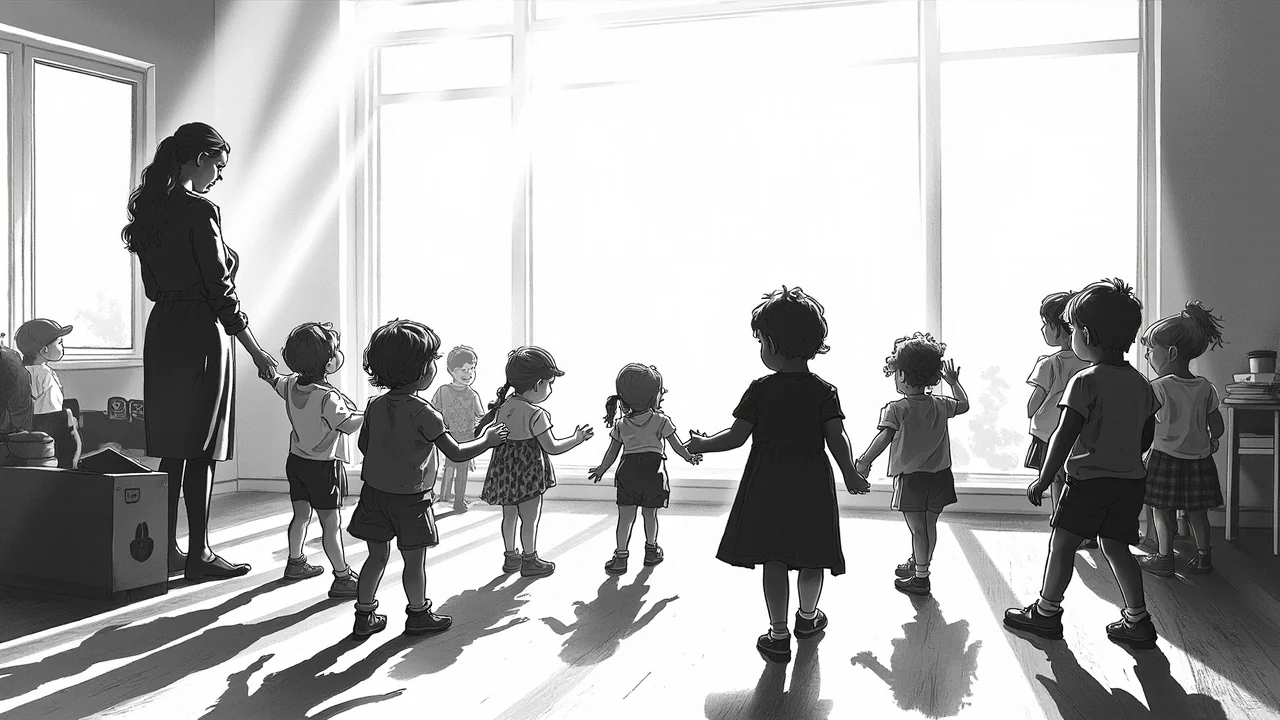
Sweden's preschool system in Upplands Väsby struggles with 6.3 children per full-time staff member. This is the highest ratio among the country's 50 largest municipalities. New data reveals a pressing issue in suburban childcare. For parents in this Stockholm suburb, it means larger groups and stretched resources. Suzanne Enell, the local education chair, hopes for change by 2026. But for now, families face daily challenges.
The Stark Reality of Numbers
Upplands Väsby tops the list for preschool staffing shortages. Municipal preschools here have 6.2 children per full-time position. Private ones fare slightly worse at 6.3. Average group sizes are 18.8 children in public preschools. Private groups average 15.5 kids. These figures come from a recent analysis of Sweden's major communes. They highlight a gap in early education resources. This suburb north of Stockholm is feeling the pinch most acutely.
Suzanne Enell from the Social Democrats acknowledges the problem. She has served as education committee chair for years. "We are aware that we have large child groups," Enell said. "This has been a problem for very many years." Her candor reflects a broader societal concern. Swedish culture prizes egalitarian education from an early age. The preschool, or 'förskola', is a cornerstone of this system. High ratios threaten the quality of care and learning.
A Suburb Under Pressure
Upplands Väsby is a diverse suburb with growing families. Many residents commute to Stockholm for work. The area has seen rapid population growth. This strains local services like preschools. Swedish society trends show increased demand for childcare. Immigration and higher birth rates in some areas add to the pressure. Stockholm events today often focus on urban development. But suburbs like Väsby face their own unique challenges.
Parents here share quiet concerns over fika chats. They worry about their children's individual attention. "My son loves his preschool, but there are so many kids," one mother told me. She asked not to be named due to workplace policies. "The teachers are amazing, but they're spread too thin." This sentiment echoes across playgrounds in Väsby. Swedish lifestyle emphasizes work-life balance. Accessible, quality preschools are key to that balance.
The Human Impact on Daily Life
Imagine a preschool room with 19 toddlers. Two staff members are present on a typical day. One child needs help with a zipper. Another has a minor scrape. Meanwhile, the group activity awaits. This scenario plays out daily in Väsby's municipal preschools. Teachers must prioritize constantly. Swedish immigration news often highlights integration. Preschools are crucial for language and social skills for new young arrivals.
Large groups affect everything from safety to educational outcomes. Children get less one-on-one time for developmental activities. Staff burnout becomes a real risk. Swedish culture news frequently covers teacher shortages. This data point in Väsby is a symptom of a wider issue. It impacts how children experience their early years. Traditions like 'fredagsmys' (cozy Fridays) start with happy, engaged kids. Stressed preschool environments can dampen that spirit.
Analysis: Roots of the Problem
Why does Upplands Väsby stand out? Historical underfunding and planning missteps are factors. The suburb has expanded quickly without proportional resource increases. Nationally, Sweden has faced preschool staffing crises for years. Low wages and high workloads deter new educators. Expert perspective from early childhood scholars points to long-term effects. Children in larger groups may develop social skills differently.
Professor Lena Almqvist, an education specialist, has studied Scandinavian preschool models. "Optimal ratios are debated, but consistency matters," she explained in a past interview. "Sudden increases in group size can disrupt child security." While not commenting directly on Väsby, her research underscores the importance of stable environments. Swedish society trends show a push for more inclusive education. This requires adequate staffing to support diverse needs.
Economic constraints in municipalities play a role. Upplands Väsby must balance budgets while serving growing communities. Private preschools, often seen as alternatives, also show high ratios here. This suggests a systemic issue beyond public funding. The Swedish model relies on both public and private providers. When both sectors struggle, families have fewer good options.
Cultural Context and Swedish Values
Sweden is known for its strong welfare state. Preschool access is considered a right. The system is designed to support gender equality by enabling parental work. High child-to-staff ratios challenge these core values. Parents, especially mothers, may feel compelled to work less. This impacts household economics and societal progress.
Local traditions in Stockholm suburbs often revolve around community centers. Preschools are hubs for cultural exchange. They celebrate festivals like Lucia and Midsummer. With overstretched staff, organizing these events becomes harder. The richness of Swedish cultural life for children can diminish. Swedish culture news should monitor these subtle shifts. They affect the fabric of society.
Pathways to Improvement
Suzanne Enell's goal is to reduce group sizes by 2026. This will require strategic investment and recruitment. Upplands Väsby must attract more preschool teachers. Competitive salaries and better working conditions are essential. The municipality might look to successful models in other communes. Some Stockholm neighborhoods have managed lower ratios through innovative partnerships.
Community engagement is another key. Parents and local businesses could support preschool initiatives. Swedish society trends show increased volunteerism in education. This could supplement professional staff in creative ways. However, core funding must come from public sources. The national government's role in supporting municipalities is critical.
Looking Beyond Väsby
This story is not just about one suburb. It reflects broader tensions in Swedish childcare. As cities grow, periphery areas often get overlooked. Swedish immigration news notes new families settling in suburbs. They need integrated services. Preschools are the first point of contact for many. High ratios can hinder welcome and inclusion.
The data from Väsby should serve as a wake-up call. Other municipalities might face similar hidden challenges. Regular monitoring and transparent reporting are vital. Swedish lifestyle promises quality of life for all ages. Delivering on that promise starts with the youngest citizens.
A Personal Reflection
Reporting this story, I visited a preschool in Väsby. The children's laughter filled the halls. Teachers moved with calm dedication amidst the chaos. But in quiet moments, their fatigue was visible. Sweden prides itself on 'lagom' – just the right amount. Here, the balance is off. The statistics are more than numbers. They represent little faces waiting for a story, a hug, or a helping hand.
As 2026 approaches, will Väsby find its way back to balance? The hope rests on political will and community action. For now, parents cross their fingers each morning. They trust in the resilience of their children and the dedication of staff. But trust alone cannot lower ratios. Action can. And that action cannot come soon enough.