
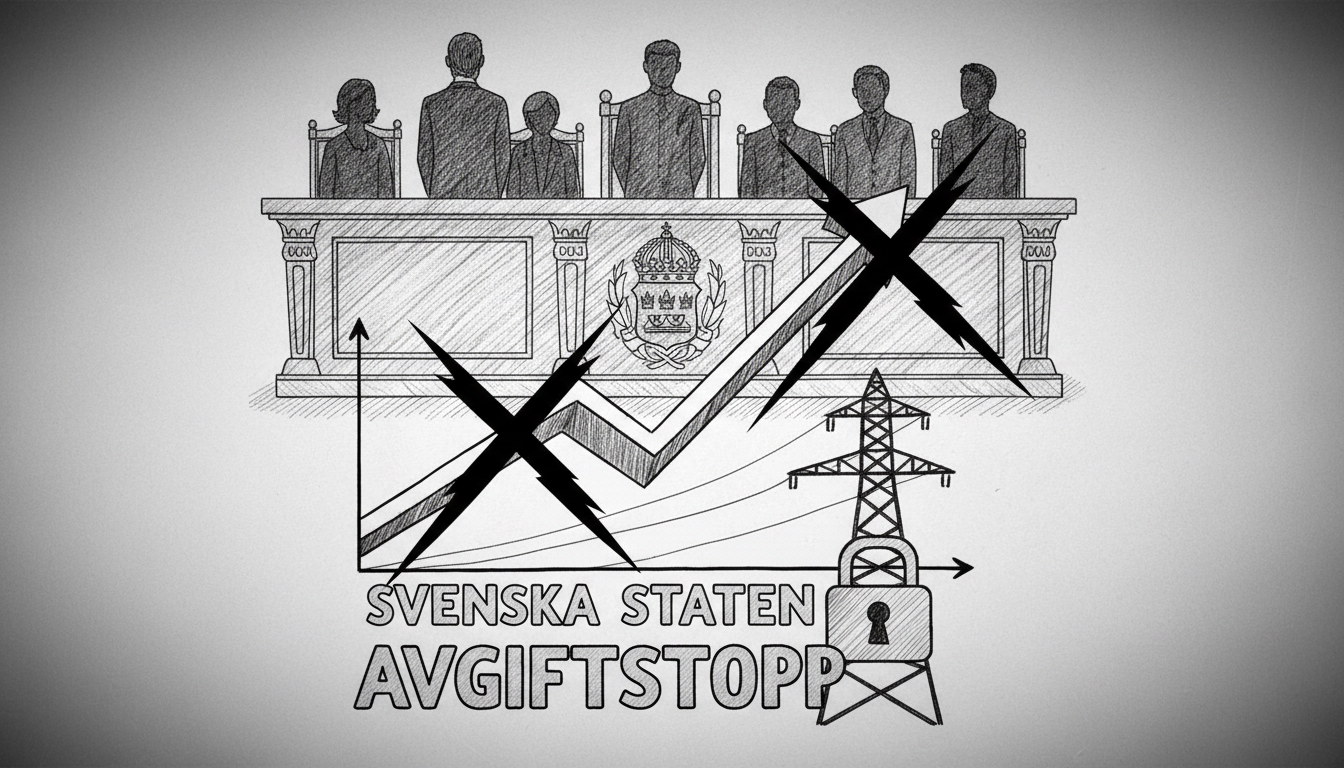
The Swedish government faces mounting pressure as energy regulators challenge substantial electricity network fee hikes proposed by major providers. The Energy Markets Inspectorate has determined that Vattenfall and other grid companies cannot justify planned fee increases through future investment requirements. This regulatory decision represents a significant development in Stockholm politics affecting household energy costs across the nation.
Tommy Johansson, energy systems department head at the regulatory agency, clarified the position in recent statements. He emphasized that while necessary infrastructure investments must proceed, current consumers should not bear costs for future projects. The Swedish Parliament has historically struggled to balance infrastructure needs with consumer protection in energy markets.
Historical data reveals concerning patterns in electricity pricing. Over the past decade, network fees have increased by fifty-seven percent on average. These fees typically constitute one-third of total household electricity bills. The current proposed increases would add another fourteen percent to consumer costs during the ongoing regulatory period.
Regulatory frameworks governing electricity networks operate through four-year revenue caps. The current caps extending through 2027 stand approximately forty percent higher than previous periods. This creates substantial room for companies to increase charges without corresponding cost increases.
The Riksdag recently approved new regulatory frameworks for implementation in the next regulatory period. These stricter rules have already drawn protests from energy companies despite likely continued revenue increases. The government policy Sweden implements must balance infrastructure investment against consumer protection in monopoly markets.
Energy companies operate within protected monopoly markets requiring strict regulatory oversight. The regulatory agency has faced repeated challenges in court battles with utility companies. These legal defeats have limited effective consumer protection despite clear evidence of overcompensation.
Future infrastructure requirements for Sweden's electrification drive complicate regulatory decisions. Companies correctly identify increased investment needs but seek premature cost recovery from current consumers. The regulatory system must prevent this cost shifting while enabling necessary grid improvements.
Riksdag decisions on energy regulation originate from government offices in Rosenbad before parliamentary review. The complex bureaucratic process involves multiple stakeholders and competing interests. Recent developments indicate growing political will to address consumer concerns about energy costs.
The outcome remains uncertain according to agency officials. New regulations may reduce but not eliminate future fee increases. Swedish households continue facing energy cost pressures despite regulatory interventions. The balance between infrastructure investment and consumer protection remains challenging for policymakers.
This situation reflects broader tensions in Swedish energy policy between public and private interests. Monopoly providers naturally seek maximum returns while regulators attempt to protect consumers. The current controversy highlights systemic issues in utility regulation that extend beyond electricity markets.
International observers should note Sweden's approach to infrastructure funding and consumer protection. Similar debates occur in many developed economies facing energy transition challenges. The Swedish experience offers lessons about regulatory design in monopoly utility markets.