
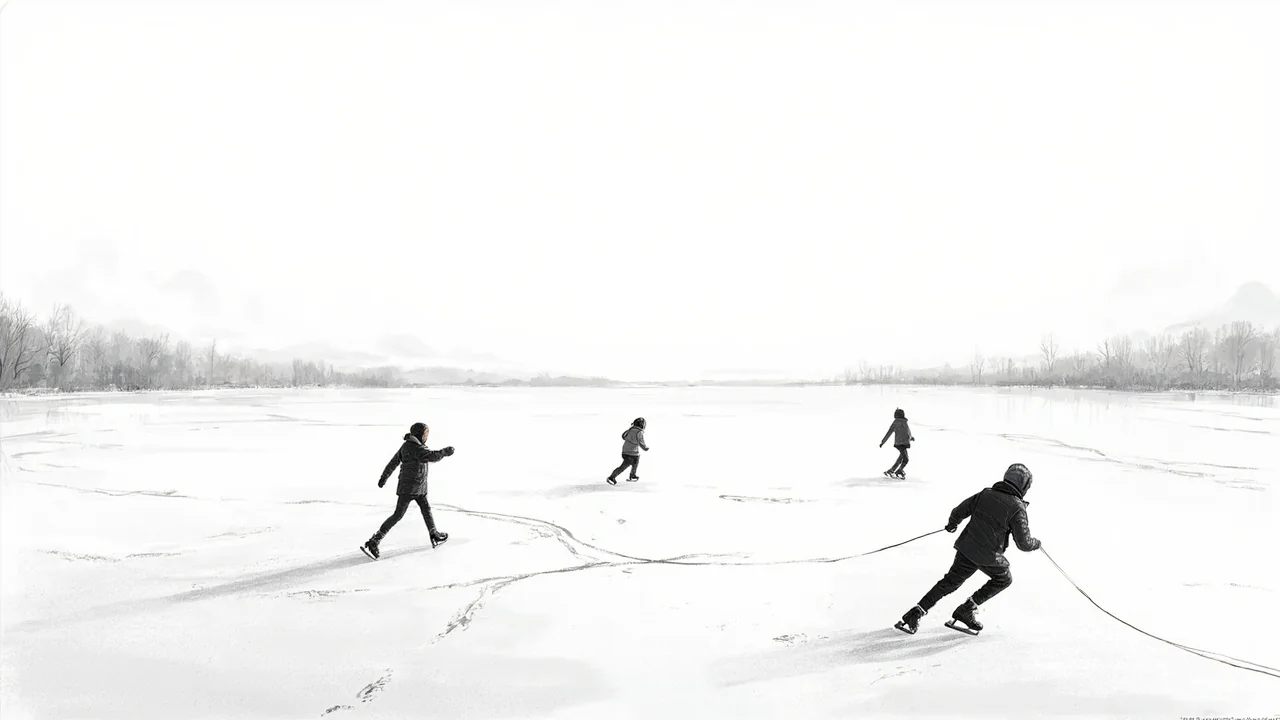
Sweden's Lake Mälaren and Stockholm's archipelago are currently offering ice skaters a rare and exceptional treat. A unique combination of stable sub-zero temperatures for weeks and limited snowfall has created what experts call near-perfect conditions for long-distance skating, turning the frozen waters into a sprawling, natural rink right in the capital's backyard.
"It is exceptionally good ice," says Ari Hultqvist, the education officer for long-distance skating at Friluftsfrämjandet. He identifies the region as one of the best spots for the sport in the Nordics right now. "Most days the ice grows thicker, and now it's going very well to skate on these newer ice sheets. We've had some snow, but it's also been quite windy, so the snow cover is very thin in many places."
A Capital City Transformed
This meteorological serendipity has transformed Stockholm's relationship with its waterfront. The usual postcard views of the Stadshuset (City Hall) and the Gamla Stan skyline are now framed by the graceful arcs of skaters gliding across the frozen bay. It’s a scene that feels plucked from a Carl Larsson painting, bringing a deeply traditional Swedish winter activity into the heart of the modern city. Locals and visitors alike are seizing the day, knowing such widespread, reliable ice is a fleeting gift.
"You don't often get to skate by the City Hall," remarked one local skater, encapsulating the widespread sentiment. The activity fosters a shared, spontaneous community spirit, with neighbors chatting at makeshift entry points and families venturing out together, all drawn by the unique opportunity.
The Expert's Perspective on Ideal Conditions
Ari Hultqvist explains the precise science behind this winter's boon. The key has been a prolonged period of cold without significant snow disruption. Snow acts as an insulator, too much can prevent the ice from thickening and create a rough, slushy surface. The recent pattern of cold, clear weather followed by wind that scatters any light snowfall has allowed for the formation of strong, clear "black ice." This type of ice is the gold standard for long-distance skaters—it's smooth, fast, and transparent, allowing you to see the world beneath your blades.
"The conditions are very fine for long-distance skating in the Mälaren region," Hultqvist reiterates, emphasizing the quality over a broad area. This isn't just about a single frozen pond, it's about being able to plan a journey, to travel from cove to island, exploring the landscape in a way that's only possible a handful of times each decade.
Cultural Ritual on Blades
This event is more than just a recreational anomaly, it's a living part of Swedish cultural heritage. Long-distance skating, or långfärdsskridskoåkning, is a cherished winter tradition. It represents a communion with nature and a test of personal endurance, deeply woven into the national identity. The sight of people setting out with backpacks and warm drinks, aiming to skate to a distant island for a fika, is a classic Swedish winter image.
The current conditions allow both experts and novices to participate in this ritual. Social media feeds are filled with images of tracks etched across vast white expanses, with iconic Stockholm landmarks on the horizon. It turns the city's extensive waterways from summer sailing routes into winter highways, offering a completely new perspective on familiar surroundings.
A Precarious Window of Opportunity
While the ice is currently in prime condition, skaters are urged to remain cautious. Hultqvist and other experts consistently stress that safety is paramount. Checking official ice reports, never skating alone, and carrying ice safety picks are non-negotiable rules. The ice can vary in thickness, especially near currents, inlets, or around bridge pillars. The very beauty of the phenomenon—its natural, uncontrolled state—is also its primary risk.
The community relies on shared knowledge and respect for the environment. Local outdoor associations often share updates on safe routes, and experienced skaters keep a watchful eye on newcomers. This collective responsibility is as much a part of the tradition as the skating itself.
A Fleeting Gift to Be Cherished
As Stockholm's residents lace up their skates, there's a palpable awareness that this won't last. A warm front or a heavy snowfall could rapidly alter the landscape. This impermanence adds a layer of urgency and appreciation to every outing. It’s a powerful reminder of the rhythms of the natural world and a chance to engage in a pure, simple joy that modern life often sidelines.
For now, the ice holds. The blades continue to whisper across its surface, and the city, for a few more precious days or weeks, has gained a new, temporary public square—one made of frozen water and boundless sky. It’s a powerful testament to how nature, under the right conditions, can still define how we live, play, and connect in an urban environment.
Looking Beyond the Season
This exceptional winter raises broader questions about our relationship with climate and tradition. While skaters celebrate this year's bounty, it underscores how vulnerable these seasonal rituals are to changing weather patterns. Will such widespread, reliable ice become an even rarer event in the coming decades? The current experience becomes not just a celebration, but also a poignant data point in observing environmental shifts. It charges every glide across the ice with a deeper significance, making this winter's skate by the Stadshuset a memory to be cherished and a moment to reflect upon.