
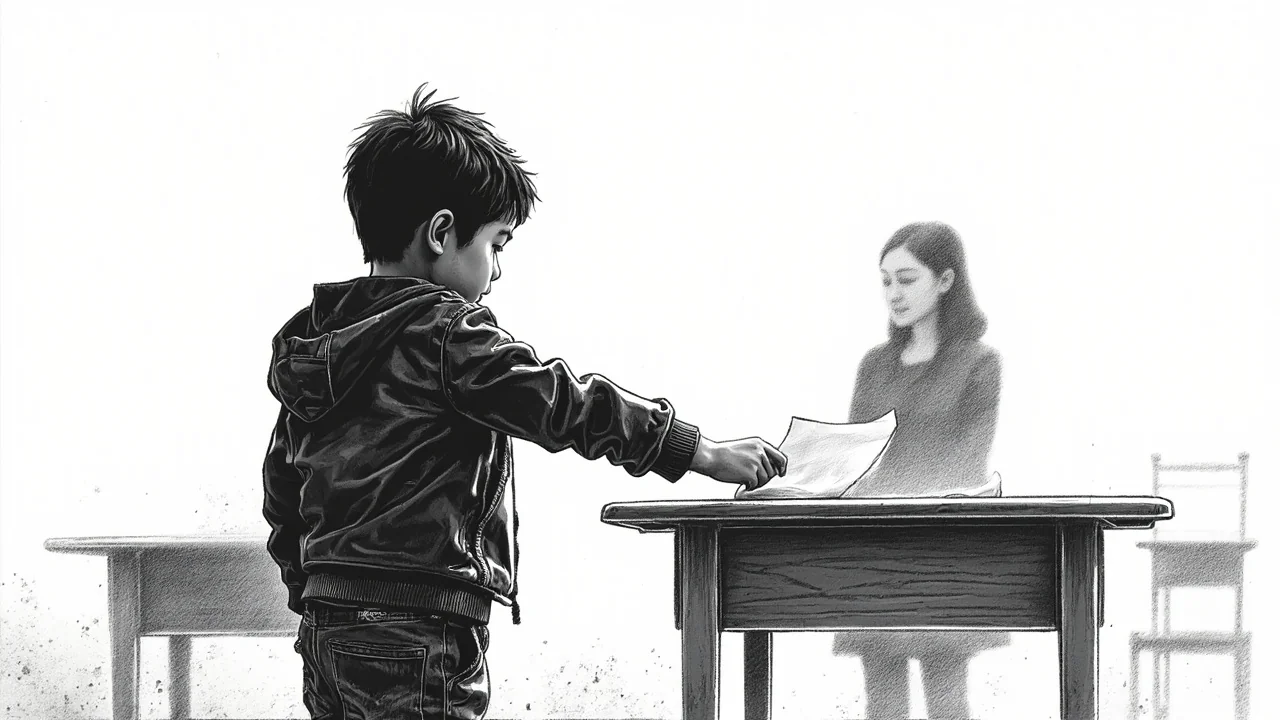
Sweden university student suspended for three months after sharing a teacher's personal data and adding a skull emoji to their name in private chats. The Disciplinary and Exclusion Board at Jönköping University (JU) made the decision after reviewing screenshots of conversations where the student shared sensitive information about a teacher and members of the teacher's family. This case highlights growing concerns about student conduct and the boundaries of academic discourse in Swedish higher education.
The Chats That Crossed a Line
In communications with other students, the individual shared details including the teacher's address, GPS coordinates, personal identity number, and information about the teacher's family members. In several places within these conversations, the student placed a skull emoji next to the teacher's name. The board examined these screenshots as part of their investigation. Their decision states the actions went far beyond what is acceptable within the framework of education at JU.
The sharing of a personal identity number, or 'personnummer', is particularly serious in Swedish society. This number is a cornerstone of personal identification, used for everything from healthcare and banking to government services. Its exposure represents a significant breach of privacy with potential for real-world harm beyond the digital realm.
A Board's Firm Decision
The university's Disciplinary and Exclusion Board did not take the decision lightly. They concluded that the student's behavior negatively impacted the work environment for other students, who reported feeling discomfort over the actions. This secondary effect—the creation of an atmosphere of unease among peers—formed a key part of the board's rationale. It transformed the incident from a private conflict into a community issue affecting the broader learning environment.
Three-month suspensions are a formal disciplinary measure within the Swedish academic system. They are not administrative leaves but formal separations, meaning the student cannot attend classes, use university resources, or participate in any academic activities during that period. Such a suspension can delay graduation and may appear on official transcripts, impacting future academic or employment opportunities.
An Apology That Missed the Mark
In his communication with the university, the suspended student stated that he apologized to the teacher if the teacher had felt offended. This conditional apology—'if you were offended'—is often seen as insufficient in Swedish conflict resolution, which typically emphasizes taking clear responsibility for one's actions and their impact, regardless of intent. The board's ruling suggests this response did not mitigate the severity of the initial actions.
The case raises questions about where youthful error ends and actionable harassment begins. Swedish universities promote open dialogue and a relatively informal student-teacher relationship, but this is built on a foundation of mutual respect and adherence to laws governing personal integrity. The board's judgment indicates this student's actions fundamentally breached that contract.
Ripples Through the Classroom
The board's finding that other students' work environments were negatively affected is a crucial detail. It speaks to the chilling effect such behavior can have on an entire cohort. When a peer targets a teacher with what can be perceived as threatening symbolism and invasive personal breaches, it can make others reluctant to speak up, participate freely, or report their own concerns, damaging the collective educational experience.
This aspect connects to broader Swedish societal values around the workplace and educational environment. Sweden has strong laws and cultural norms regarding a 'good work environment' (god arbetsmiljö), which extends to universities. The board's decision reinforces that these protections apply to teachers and students alike, and that violations which poison the communal well will be met with formal consequences.
Navigating Discipline in a Digital Age
This incident is rooted in digital communication—private chats and shared screenshots. It underscores the persistent challenge for institutions: student life and conflicts increasingly play out in digital spaces, but the consequences materialize in the real world. Universities are continually adapting their disciplinary frameworks to address cyberbullying, digital harassment, and online breaches of conduct codes that spill over into physical lecture halls and seminar rooms.
The use of a skull emoji, a nearly universal symbol of death, added a layer of perceived threat that text alone might not have conveyed. In the context of sharing someone's home coordinates, the symbolism is stark. Interpreting digital communication and its intent is a complex task, but the board clearly interpreted this combination as crossing a serious line.