
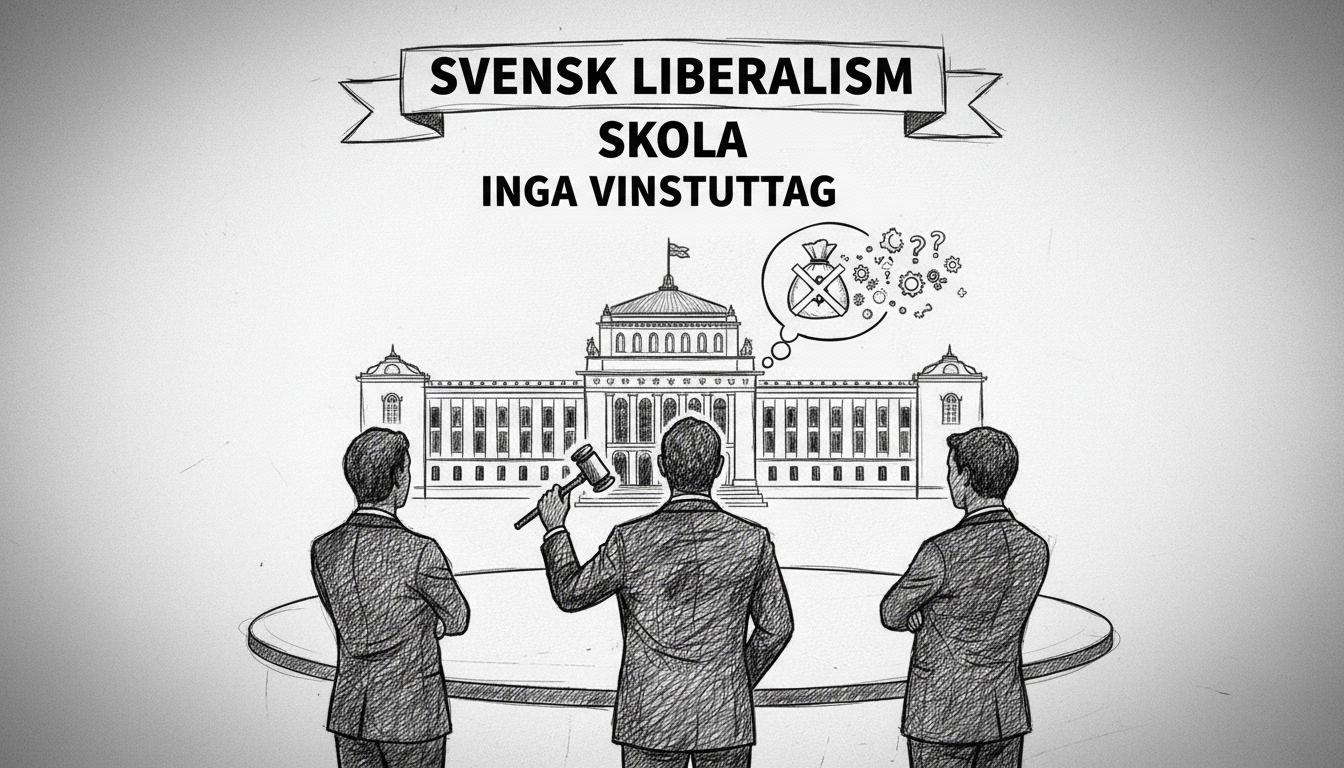
Sweden's Liberal Party has made a dramatic policy shift by voting to phase out profit withdrawals from publicly funded schools. The decision creates deep internal divisions within the party and marks a significant departure from the school choice policies the Liberals helped establish.
In Karlstad, Liberal Party delegates approved measures to eliminate profit-taking and tighten regulations on independent schools. This move cuts directly against the party's traditional center-right identity and has sparked strong reactions within their own movement.
Party leader Simona Mohamsson defended the decision during a press conference. She stated that the Liberals in government are cleaning up after old Social Democratic reforms.
This policy reversal represents one of the most substantial education reforms in Sweden's recent political history. The Liberal Party previously championed school choice and market reforms in education. Their about-face signals growing concerns about profit levels in the education sector.
Sweden's school system underwent major market-oriented reforms in the 1990s. These changes allowed private companies to operate publicly funded schools and extract profits. The system has faced increasing scrutiny over educational quality and financial transparency.
The decision carries significant implications for Sweden's education landscape. Approximately 15% of compulsory school students and 30% of upper secondary students attend independent schools. Many of these schools operate as profit-generating businesses.
International observers will watch how this policy shift affects Sweden's broader education model. The Nordic country has served as a laboratory for school choice policies that other nations have studied and sometimes adopted.
What does this mean for parents and students? The changes could lead to greater oversight of school operations and potentially different management structures. Existing schools may need to reorganize as non-profit entities or find new operating models.
The political fallout within the Liberal Party remains uncertain. Internal divisions could affect their position in Sweden's coalition government. The party must balance their new education stance with their broader political alliances.
This decision reflects broader European trends questioning market solutions in public services. Several countries are reevaluating privatization models in education and healthcare. Sweden's move may influence similar debates elsewhere.
The practical implementation timeline remains unclear. Parliament must still approve the changes, and transition periods will likely apply. School operators face uncertainty about future operations and funding structures.