
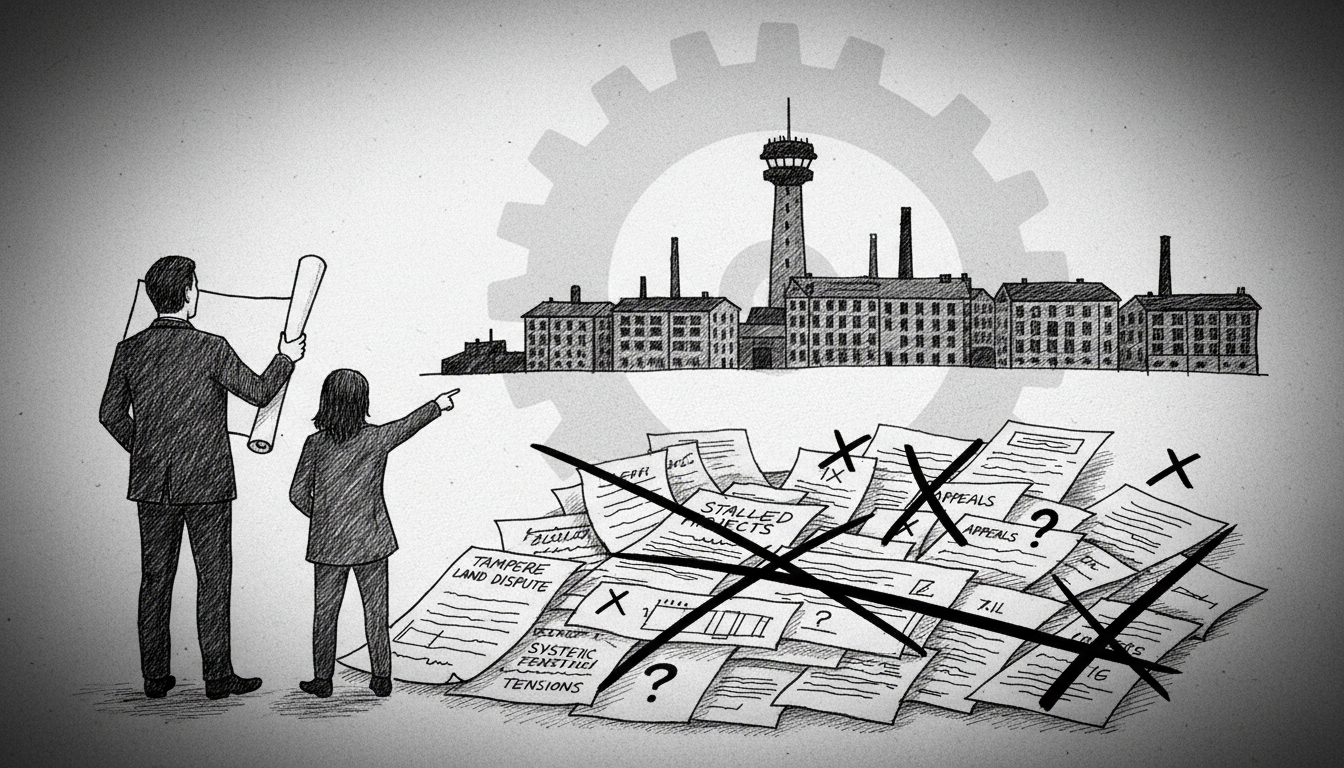
A protracted conflict between Tampere city officials and a frequent complainant exposes deeper challenges in Finland's urban development processes. Mika Kristian Roivas, labeled a 'serial complainant' by local media, has filed over 100 appeals against municipal decisions this year alone. The core dispute centers on land allocation procedures that have stalled multiple residential and commercial projects across the city.
Roivas claims recent media coverage misrepresents his actions. He argues systemic issues in municipal decision-making necessitate his appeals. The city interprets his persistent challenges differently, having requested a police investigation into his activities. Both parties acknowledge their conflict dates back to 2013 land allocation processes.
At the heart of the matter are Tampere's land lottery systems for residential and commercial development. These programs aim to distribute municipal land fairly but have become entangled in procedural disputes. Roivas recently secured a plot through the lottery system, but municipal authorities refused to transfer ownership, citing undisclosed financial considerations.
The city subsequently modified lottery terms to include credit checks for applicants. Roivas maintains these changes don't specifically target him, though public records indicate he and his companies face debt collection proceedings.
This conflict impacts Tampere's development landscape significantly. Multiple single-family home plots and business lots remain frozen pending resolution of various appeals. Major projects including the Vuores enterprise zone face delays that could postpone job creation by several years.
Roivas defends his approach as promoting transparency. He contends municipal decisions lack sufficient explanation about company selection processes for development projects. City officials express frustration about project timelines extending due to administrative appeals.
The situation reveals structural tensions in Finnish urban governance. Municipalities balance efficient development against procedural fairness, while citizens navigate complex appeal mechanisms. Both residential and commercial development face uncertainty when administrative challenges prolong decision-making processes.
Finnish property development typically involves multiple approval stages with municipal oversight. The Tampere case demonstrates how individual appeals can influence broader urban planning outcomes. Similar disputes have emerged in Helsinki and Espoo development projects, though rarely with this frequency.
International observers should note Finland's robust appeal systems allow substantial citizen participation in urban planning. This creates potential for both accountability and procedural delays. The Tampere situation represents an extreme case testing these systems' boundaries.
Municipal authorities now face balancing development priorities with procedural integrity. Roivas maintains the city could resolve the core land dispute within hours through transparent communication. City officials indicate they follow standard administrative procedures despite project delays.
The outcome may influence how Finnish municipalities structure development approval processes going forward. Both transparency advocates and development proponents watch how Tampere navigates this challenging situation.