
Introduction
Engaging Hook
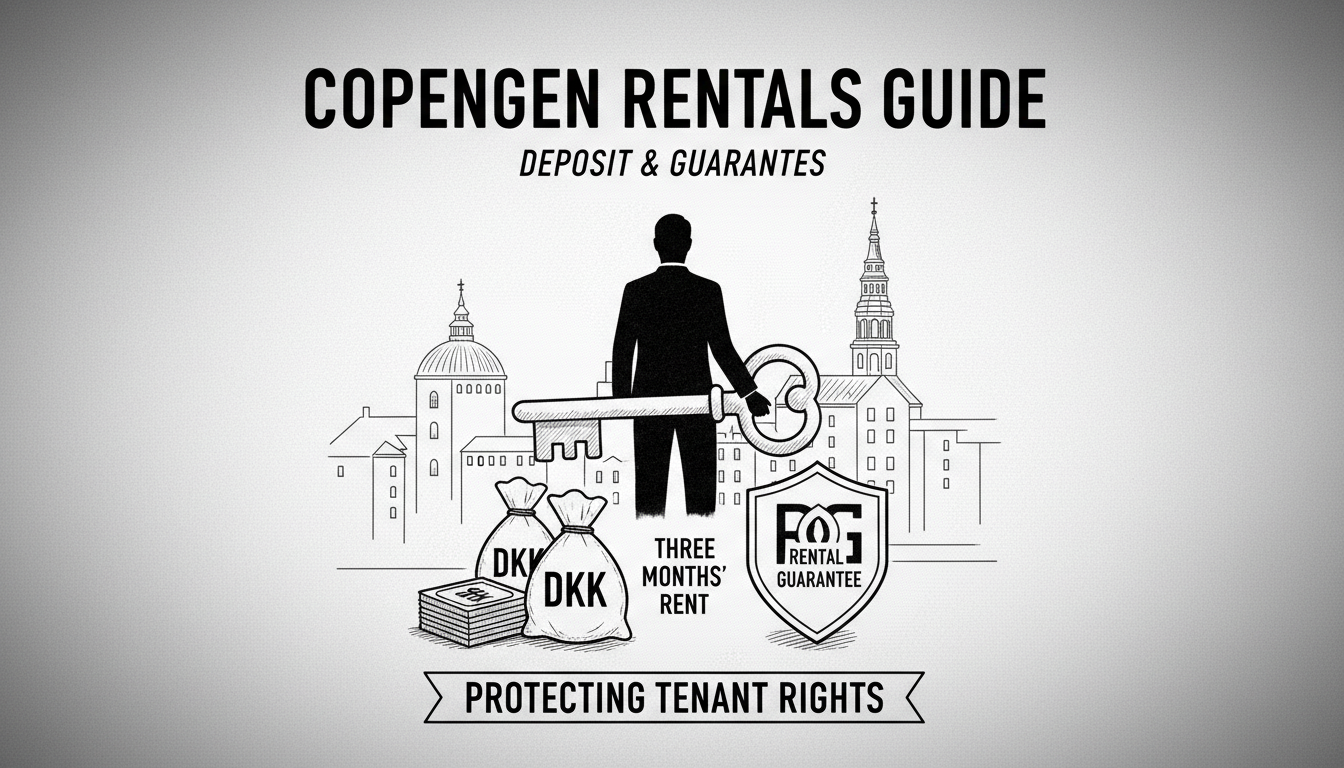
Imagine arriving in Copenhagen with two suitcases and high hopes. You find the perfect apartment in Vesterbro. Then the landlord requests three months' rent as deposit. This scenario plays out daily for newcomers to the Danish capital.
Overview of Rental Deposits and Guarantees
Rental deposits protect landlords against property damage. Guarantees ensure rent payments continue if tenants default. Both requirements create significant upfront costs for renters.
Why Understanding These Costs Matters for Tenants
Tenants who misunderstand deposit rules face financial strain. Proper planning prevents unexpected cash flow problems. Knowledge also helps tenants avoid unfair landlord practices.
Tools
Call home for less
Save up to 90% on international calls to family and friends.
Links may be monetized via affiliate partners.
Understanding Rental Deposits in Copenhagen
What is a Rental Deposit and Its Purpose
A rental deposit is money paid before moving in. Landlords hold this amount throughout the tenancy. They use it to cover unpaid rent or repair damages after move-out.
Typical Deposit Amounts: Norms and Legal Limits
Most Copenhagen landlords require three months' rent as deposit. For a 12,000 DKK monthly apartment, this equals 36,000 DKK. Danish law caps deposits at six months' rent for unfurnished properties. Furnished apartments can require higher deposits.
Factors Influencing Deposit Size
Newer apartments in Ørestad often demand four-month deposits. Older buildings in Nørrebro might accept two months. Luxury properties frequently exceed standard amounts. Students sometimes negotiate reduced deposits through housing organizations like KKIK.
How Deposits Are Paid and Held Securely
Tenants transfer deposits to landlord-held accounts. Major banks like Danske Bank manage these escrow accounts. Landlords cannot access funds without tenant consent. This system prevents misuse of deposit money.
Rental Guarantees Explained
Definition and Role of Rental Guarantees
Rental guarantees act as insurance for landlords. They ensure rent payment if tenants cannot pay. International tenants often need guarantees more than Danish citizens.
When Guarantees Are Required vs. Deposits
Students and low-income earners typically need guarantees. Expats without Danish credit history face guarantee requirements. Some landlords accept higher deposits instead of guarantees.
Types of Guarantees
Bank guarantees require account freezing of 3-6 months' rent. Insurance guarantees cost 1-3% of annual rent through companies like Heimstaden. Employer guarantees involve written commitments from companies. Each option has different approval requirements.
Costs and Conditions for Obtaining a Guarantee
Bank guarantees need substantial account balances. Insurance guarantees require stable income documentation. Employer guarantees depend on company policies. All options involve credit checks and application fees.
Legal Framework and Tenant Rights
Danish Rental Law Overview
The Danish Rent Act regulates landlord-tenant relationships. LLO (Danish Tenants' Association) provides legal support. Rules protect both parties but favor tenants in disputes.
Deposit Refund Process and Timelines
Landlords must return deposits within four weeks after move-out. They can deduct for documented damages beyond normal wear. Tenants receive itemized lists of any deductions.
Dispute Resolution for Unfair Deductions
Tenants can challenge unreasonable deductions through Huslejenævnet (Rent Board). LLO offers free legal advice for members. Photographic evidence from move-in helps win disputes.
Recent Changes and Tenant Protections
New regulations prevent landlords from demanding excessive deposits. Digital move-in inspections became mandatory. These changes reduce deposit-related conflicts.
Practical Tips for Tenants
How to Negotiate Deposit and Guarantee Terms
Offer higher deposit instead of guarantee if you have savings. Provide employment contracts to demonstrate income stability. Use housing agencies like Home in Copenhagen as intermediaries.
Documenting Property Condition to Avoid Disputes
Take timestamped photos of every room before moving in. Use BoligPortal's digital inspection template. Note existing damages in writing with the landlord.
Budgeting for Upfront Rental Costs
Expect to pay deposit plus first month's rent initially. Save at least four months' rent before apartment hunting. Factor in 15,000 DKK for moving expenses.
Resources for Further Assistance
Contact LLO at llo.dk for tenant rights advice. Use Housing Foundation Denmark for international tenant support. Visit borger.dk for official government housing information.
Frequently Asked Questions
What is the average rental deposit in Copenhagen?
Most apartments require three months' rent as deposit. For a typical 10,000-15,000 DKK monthly rent, deposits range from 30,000 to 45,000 DKK. Luxury properties often demand higher amounts.
Can I get my deposit back if I break my lease early?
Yes, but landlords can deduct for lost rent until they find new tenants. They must prove active efforts to re-rent the property. Normal deposit return rules apply after the apartment gets re-rented.
Do international students need rental guarantees?
Most international students require guarantees unless they pay larger deposits. Universities like Copenhagen Business School often provide guarantee assistance. Student housing through places like BaseCamp usually has simpler requirements.
How long does deposit refund take?
Landlords legally must return deposits within four weeks after move-out. Delays happen if there are damage disputes. Proper documentation speeds up the process significantly.
What damages can landlords deduct from deposits?
Landlords can deduct for damages beyond normal wear and tear. Broken windows, stained carpets, and missing items qualify. They cannot charge for repainting walls or cleaning unless excessively dirty.
Are rental guarantees cheaper than large deposits?
Guarantees cost less upfront but have ongoing fees. Bank guarantees tie up your money. Insurance guarantees charge annual premiums. Choose based on your cash availability and rental duration.
Where can I complain about unfair deposit deductions?
Contact LLO at llo.dk for free initial advice. File formal complaints with Huslejenævnet if negotiations fail. The process typically takes 2-3 months for resolution.