
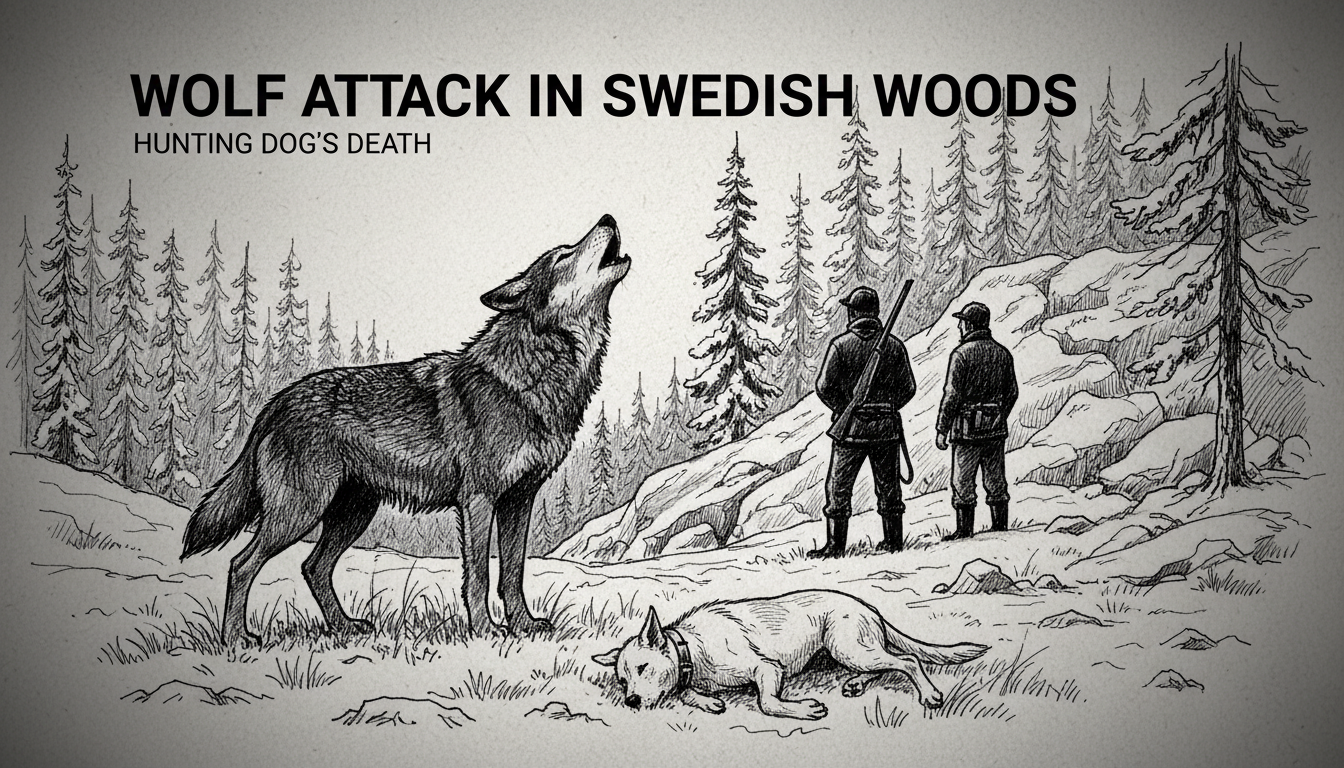
A quiet Saturday in the Svenljunga municipality turned tragic. Two dogs faced a wolf attack in the local woods. One dog, a hunting breed, suffered such severe injuries that authorities had to put it down. The other dog escaped with minor wounds. This incident occurred in Västra Götaland County, a region familiar with the tensions between expanding wildlife and human activity.
The attack highlights a growing conversation in Swedish society. Wolf populations are rebounding after historical near-extinction. This success story for conservation brings complex challenges. Rural communities, especially those with hunting traditions, often feel the direct impact. A local from a nearby village, who asked not to be named, shared a common sentiment. 'We respect nature, but we also need to protect our animals and feel safe,' they said. This balance between protection and coexistence is delicate.
Sweden's relationship with its large predators is deeply cultural. It touches on ancient folklore, modern environmental policy, and the practicalities of life in the countryside. For international readers or new residents, understanding this is key to grasping Swedish society trends. The debate isn't just about ecology. It involves law, local livelihoods, and deep-seated cultural views on wilderness. The government sets strict protection levels for wolves, but permits controlled hunting under specific conditions to manage populations and address threats to livestock.
What does this mean for dog owners and residents? In areas with known wolf activity, authorities recommend extra vigilance. Keeping dogs on leashes during walks in forested areas is a common precaution. For hunting communities, the loss of a trained dog is both an emotional and economic blow. These dogs are often considered part of the family and crucial partners in work. This single event in Svenljunga will likely fuel ongoing discussions in town halls and local media. It underscores a central question in modern Swedish lifestyle: how does a progressive, nature-loving nation manage the return of its most iconic, and sometimes conflicting, wild inhabitants? The search for answers continues, as the woods grow quieter for one grieving owner.