
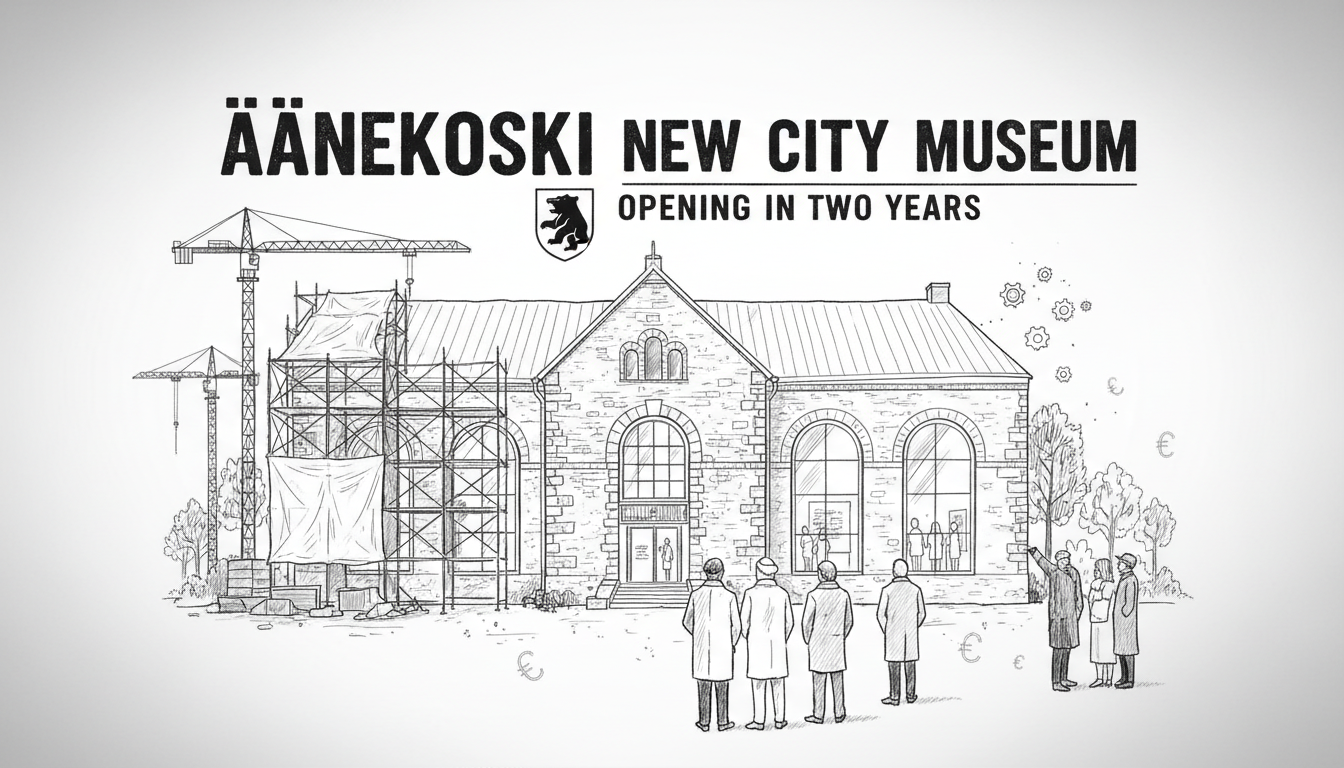
The doors to Äänekoski's new cultural history museum will open to the public in approximately two years. City officials have allocated 500,000 euros in the 2026-2027 budget for constructing exhibition spaces. The museum represents a major cultural investment for this Central Finland community.
Construction of the exhibition facilities will begin next year with an initial 250,000 euros. Cultural and Sports Director Paula Kemppainen expressed optimism about the timeline. She said the goal is to complete final tenders within a year. A summer exhibition represents a realistic target for the museum's opening phase.
Kemppainen emphasized the importance of attracting visitors to justify the investment. She also noted potential collaboration opportunities with Metsä Group's visitor center Pro Nemus. This partnership could create a cultural tourism cluster in the region.
The museum will occupy the former main office building of Äänekoski Oy. The city acquired this property in 2018. Extensive renovation work has already transformed the space for museum use. Workers completed water roof repairs and replaced the upper foundation. They installed fire breaks between the attic and other areas while making intermediate floor repairs.
The building now features an accessibility elevator between floors. Crews also updated external technical connections. These improvements make the historic building suitable for modern museum operations.
This museum project reflects broader trends in Finnish regional development. Many smaller cities are investing in cultural infrastructure to boost local identity and tourism. The transformation of industrial buildings into cultural spaces represents a common approach across Finland. Former factories and offices frequently find new life as museums and cultural centers.
The timing of this investment raises questions about municipal spending priorities. Some residents might wonder about the cost during economic uncertainty. Yet cultural investments often provide long-term benefits through tourism and community pride.
International readers should understand that Finnish municipalities have substantial autonomy in cultural matters. Local governments frequently fund museums and cultural institutions alongside state support. This decentralized approach allows communities to preserve their unique heritage.
The museum's success will depend on attracting both local visitors and cultural tourists. Its location in Central Finland positions it well for regional tourism circuits. The collaboration with industrial partners shows innovative thinking about cultural funding.
What does this mean for expats and international visitors? Finland's regional museums offer authentic insights into local history and culture. They often provide better value than crowded Helsinki attractions. The Äänekoski museum will likely offer English-language materials given Finland's high English proficiency.
The next two years will reveal whether this cultural gamble pays off. The museum must balance preservation with engaging modern exhibitions. Its success could inspire similar projects across the Nordic region.