
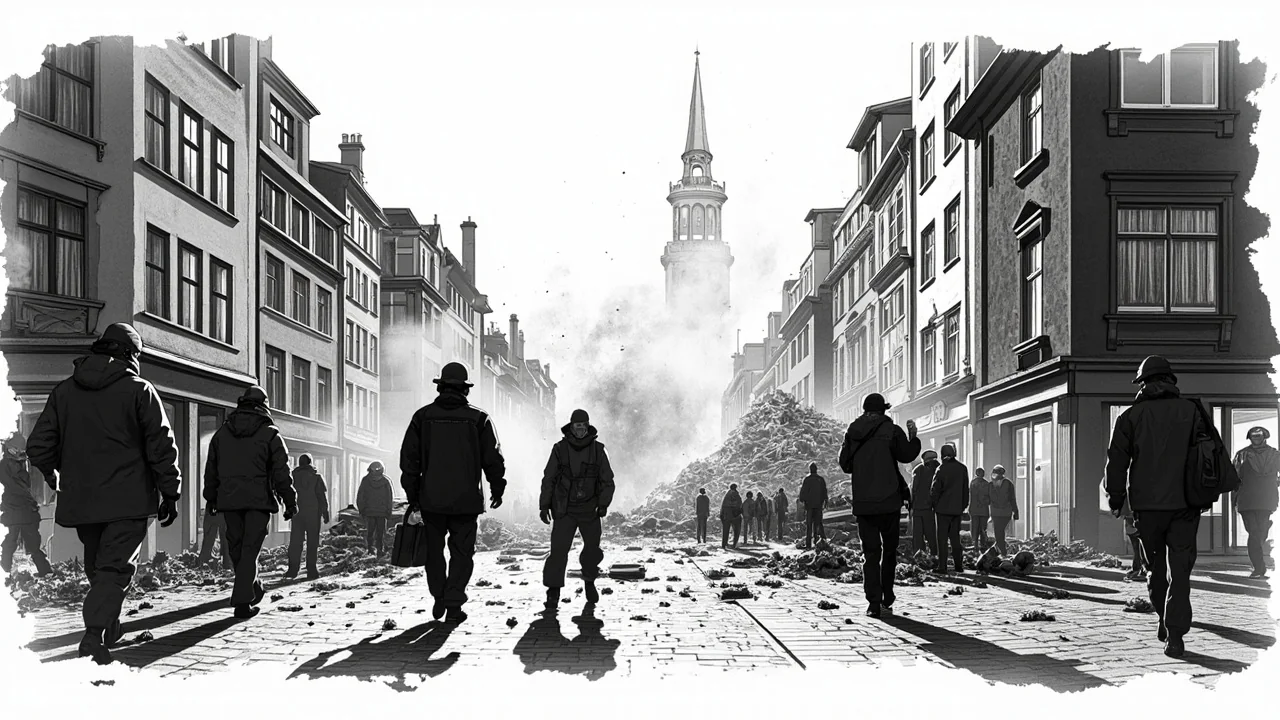
A loud explosion echoed through a Copenhagen neighborhood, sending residents into the streets and prompting a massive police response. Authorities have launched what they describe as a very large investigation into the incident. The event has shaken the local community and raised immediate questions about public safety in the Danish capital.
Police cordoned off a significant area as forensic teams began their work. Officials have not yet released details on the cause of the blast or possible casualties. They urge the public to avoid the area and report any relevant information. This type of large-scale emergency response mobilizes multiple municipal agencies across Copenhagen.
Explosions in dense urban areas like Copenhagen create unique challenges for Denmark's welfare and emergency systems. The city's social centers and community hubs often become critical support points in the aftermath. They provide shelter, information, and counseling for affected residents, especially those who may be vulnerable or have limited Danish language skills. This incident tests the integration of emergency protocols with broader social services.
Community leaders in the affected district are already organizing support networks. One local imam, who asked not to be named, said his community center was opening its doors to anyone needing assistance. He emphasized that such events impact everyone, regardless of background, and called for calm and cooperation with authorities. This mirrors a common Danish societal approach where civil society organizations work alongside official agencies during crises.
From a policy perspective, any major security incident in Denmark inevitably sparks debate about social cohesion and resource allocation. The Danish welfare system is designed to provide a safety net, but sudden crises can strain local municipality budgets and personnel. Past incidents have led to reviews of how social services, from housing assistance to mental health support, are deployed in emergencies. This explosion will likely prompt similar evaluations in Copenhagen's city hall.
For international observers, the event highlights the complex reality of safety in a modern Nordic capital. Denmark consistently ranks high on global safety indexes, yet no city is immune to sudden violent events. The response showcases the country's highly coordinated municipal governance, where police, social services, and healthcare providers have integrated contingency plans. The effectiveness of this coordination is now under real-world scrutiny.
What comes next? The police investigation will seek a cause, which could range from an industrial accident to something more deliberate. The social fallout, however, may linger longer. Trust in public safety is a cornerstone of Danish society. Events like this can affect that trust, particularly in neighborhoods with diverse populations where relations with authorities are sometimes nuanced. The true test will be how the city supports all its residents in the days ahead and what lessons are learned for Copenhagen integration strategies and emergency preparedness.
The incident serves as a stark reminder. Even in societies with robust welfare states and careful urban planning, unexpected violence disrupts lives. The Danish response will be measured not just by the police finding answers, but by how the community heals together.