
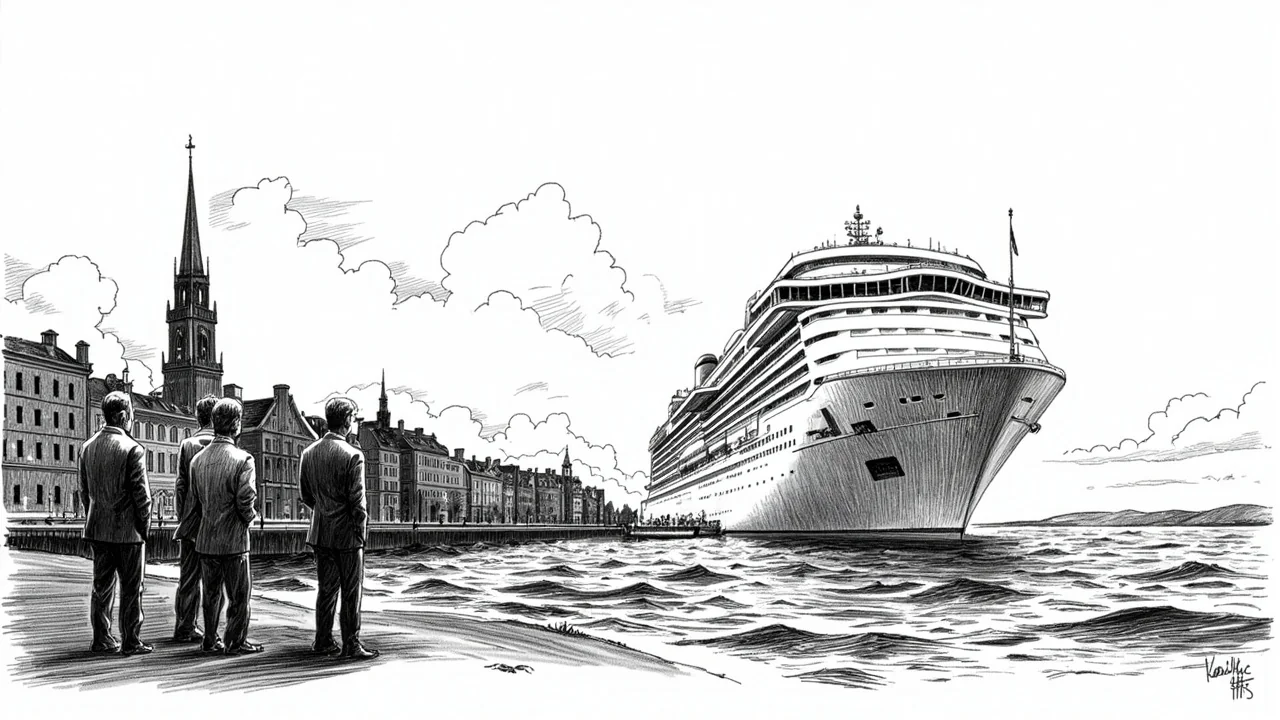
A reported surge in European cruise travel interest presents both opportunity and complex policy questions for the Swedish government. The focus on Northern Fjords, a region of significant Swedish and Norwegian natural heritage, intersects with ongoing Riksdag debates on sustainable tourism and maritime infrastructure. This trend requires coordinated policy responses from Stockholm to neighboring capitals.
Analysts note this projected demand follows a period of industry recovery. It tests existing frameworks for managing visitor numbers in sensitive ecological zones. The Riksdag has previously commissioned reports on balancing economic benefits with environmental stewardship in coastal regions. Specific policy directives from the Ministry of Enterprise and Innovation often guide regional development councils on these matters.
The Swedish Parliament's Committee on Industry and Trade regularly reviews the tourism sector's economic impact. Decisions made in the Riksdag building influence port development subsidies and environmental regulations for vessels. A government policy Sweden must now consider is whether current port capacities in cities like Stockholm, Gothenburg, and Nynäshamn can accommodate a potential increase in larger cruise vessels without disrupting local maritime traffic.
Officials at the Ministry of Climate and Enterprise, based in Rosenbad, monitor such trends for their implications on Sweden's climate goals. The carbon footprint of maritime tourism remains a contentious point in government policy Sweden discussions. Previous Riksdag decisions have allocated funds for shore-power installations at ports to reduce emissions from docked ships.
'We track global travel patterns to inform our national strategy,' a ministry spokesperson said in a statement. 'Sustainable growth is the cornerstone of our approach.' This statement reflects the official line often heard in government districts. The real test will be translating that principle into actionable regulations that satisfy both the tourism industry and environmental groups.
The surge interest specifically in the Northern Fjords puts a spotlight on the Nordic region's shared natural assets. It raises practical questions about cross-border coordination between the Swedish government and its Norwegian counterpart. Infrastructure investments and visitor management in these remote, pristine areas require bilateral agreements. Past Riksdag decisions have supported such cooperative frameworks, but implementation is often slow.
For Stockholm politics, this is a familiar tension between economic development and conservation. The current government coalition has stated aims to boost rural economies outside major urban centers. Increased cruise tourism to northern regions could align with that goal. Yet, it also risks overwhelming small communities and damaging the very landscapes travelers come to see. This is the central dilemma.
Local municipalities along the Swedish coast, from Helsingborg in the south to Luleå in the north, will feel the direct impact. Their planning departments operate under guidelines set by national government policy Sweden. They must navigate national regulations while addressing local concerns about seasonal overcrowding and cultural preservation. The upcoming parliamentary session may see proposals for adjusting the distribution of tourism tax revenue to better support these communities.
The situation calls for a proactive, not reactive, legislative approach. The Swedish Parliament has the tools to shape this growth through its budgetary powers and regulatory authority. The coming months will show if the political will exists to craft a coherent, long-term strategy. The alternative is a piecemeal approach that could lead to missed economic opportunities or irreversible environmental strain. The choice made will be a clear indicator of the current government's policy priorities.