
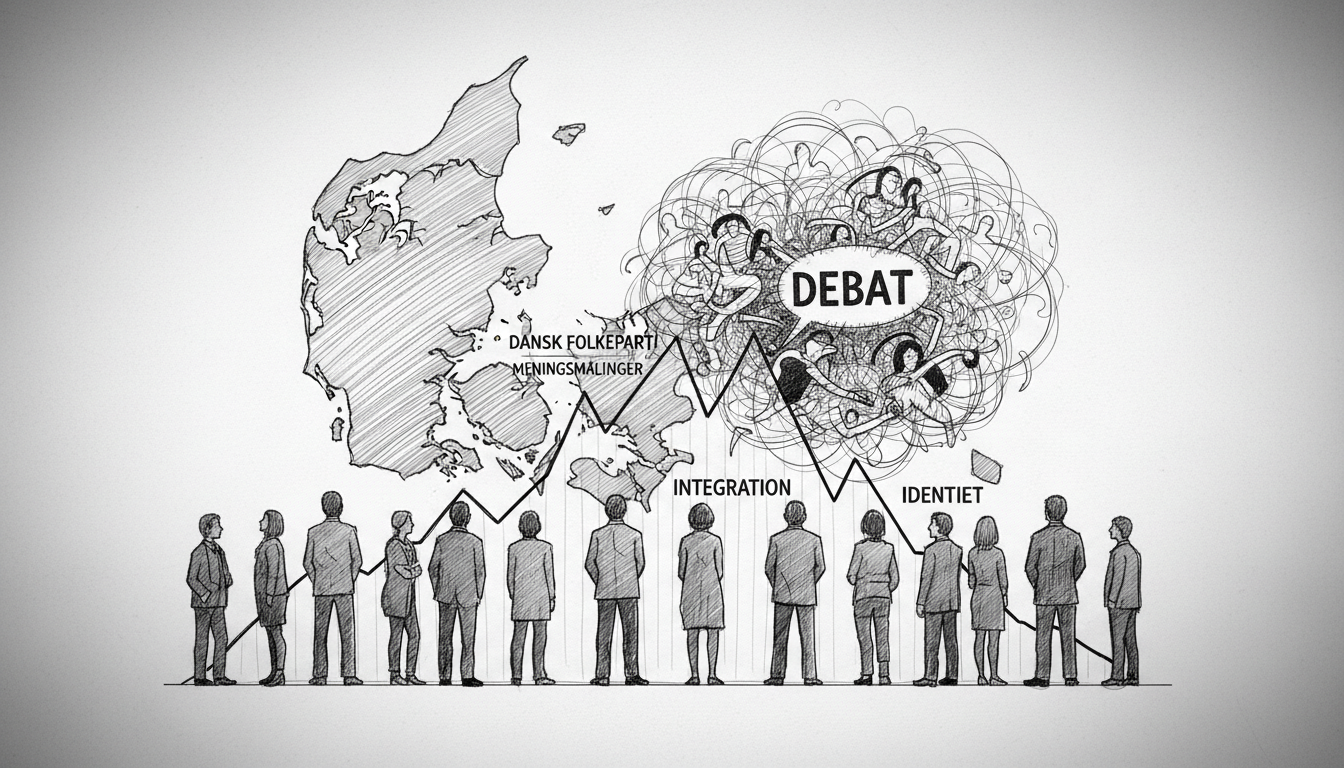
The Danish People's Party experienced a dramatic shift in public support this summer. The party, which had long hovered around five percent in national polls, saw a sudden and significant surge. That upward momentum now appears to have stalled, according to the latest measurements. This political movement holds deep implications for Danish society news and the ongoing national conversation about identity.
Political analysts note these fluctuations often correlate with heated public debates. The summer period frequently features intensified discussions on Denmark immigration policy and the integration of new citizens. When these topics dominate media cycles, parties with strong stances on national identity typically see a boost in visibility. The recent cooling suggests the initial reaction may be settling into a more stable, long-term trend.
This polling story is not just about numbers. It reflects the lived reality in neighborhoods across Copenhagen and other Danish cities. Community centers in municipalities like Aarhus and Odense report increased engagement when political rhetoric intensifies. Local leaders say these debates directly impact social cohesion and the daily work of the Danish welfare system. They create an atmosphere where policy discussions move from parliament to the playground and the supermarket aisle.
For international observers, understanding this requires context. The Danish political landscape is multiparty, making even small shifts consequential. A party polling at five percent versus eight percent can determine its influence in forming a government. This influence then shapes legislation on everything from social benefits to language requirements for new residents. The stability of the Danish welfare system is often a central theme in these discussions, with questions about its sustainability and access.
What does a shift like this mean for Copenhagen integration efforts on the ground? Social workers in districts like Nørrebro and Vestegnen observe a tangible effect. Public discourse influences community trust and participation rates in municipal programs. When national politics focuses heavily on immigration, local integration projects can face greater scrutiny or, conversely, receive renewed attention and funding. The connection between polling data and local social policy is often direct and immediate.
Statistics from previous years show a complex picture. Success in areas like education and employment for immigrants and their descendants has been mixed, with some groups achieving parity and others lagging. These are the measurable facts that policies aim to address, yet they are frequently overshadowed by broader political narratives. The challenge for Danish municipalities is to implement effective social policy regardless of the political weather.
The current moment presents a critical question. Is this a temporary blip or a sign of deeper electoral realignment? Only future polls will provide a clear answer. The trajectory of the Danish People's Party will be a key indicator of the national mood heading into the next electoral cycle. Its performance influences how all major parties frame their platforms, especially on issues of culture and community. For now, the broken curve in the polls suggests the political landscape remains as dynamic as ever.