
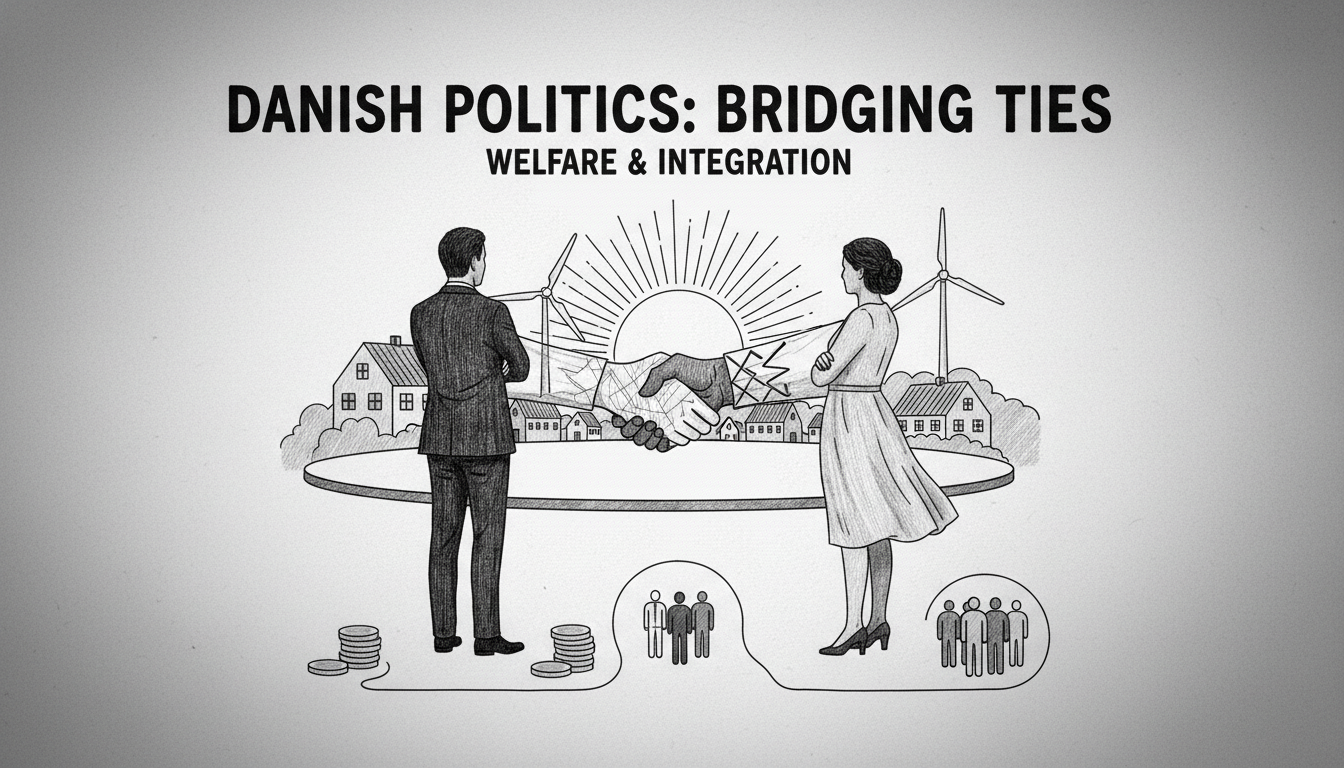
Prime Minister Mette Frederiksen has signaled a strategic shift toward closer cooperation with the Socialist People's Party (SF). This move follows a challenging local election for her Social Democrats. The party lost ground across Danish municipalities. The election saw a clear conflict between the two traditional allies. In several city councils, SF members voted against Social Democratic mayors. Some even supported conservative candidates instead. Frederiksen now calls for reflection and a renewed partnership.
She made these comments in a recent weekend newspaper interview. Frederiksen stated that open conflict does not benefit their shared political project. She reflected that a campaign marked by disagreement would harm their common goals before the next general election. The Prime Minister acknowledged the election result was unsatisfactory. She emphasized the need for internal party review. This review has led to the current push for reconciliation.
Frederiksen highlighted the substantial common ground between the parties. They share core positions on social policy and environmental issues. Both are committed to the Danish welfare system. They have historically collaborated on classic welfare agendas. Yet these similarities became obscured during the heated campaign period. The public saw more division than unity. This perception likely influenced voter behavior in Copenhagen and other urban centers.
This political recalibration matters for Denmark's integration policies and social cohesion. The relationship between these two major left-wing parties directly affects legislation on immigration and community funding. Their cooperation, or lack thereof, shapes resources for social centers and municipal integration programs. A stable partnership could mean more consistent support for new citizens. It could influence education initiatives and language training access.
Statistics show integration outcomes often depend on local political stability. When governing coalitions fracture, long-term social projects suffer. This is especially true in cities with diverse populations. The Prime Minister's overture is therefore more than internal party politics. It is a potential signal for steadier social policy development. Frederiksen also addressed future government formation talks. She noted that creating a broad center-left coalition should not be an end in itself. The policy outcomes must justify the political structure.
From my perspective covering Danish society, this is a pragmatic, necessary correction. The electoral backlash made the costs of public feuding undeniable. Both parties rely on similar voter bases concerned with welfare and fairness. Their competition in the local elections likely confused and alienated supporters. A coordinated approach could rebuild trust. It could also present a clearer alternative to right-wing parties. The success of this détente will be tested in upcoming parliamentary negotiations. Its impact will be felt in communities where municipal services are a daily reality for families.