
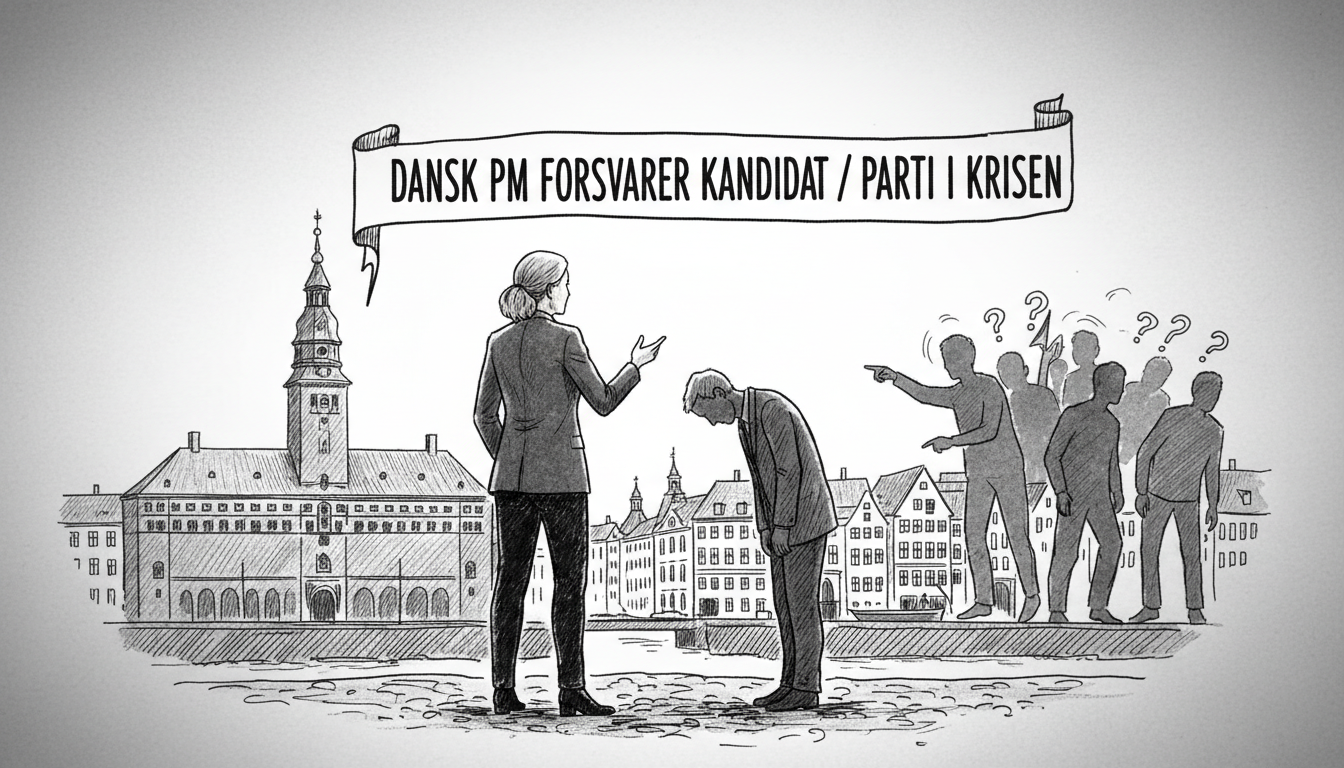
A century of political dominance in Copenhagen has ended for Denmark's Social Democrats. The party lost control of the capital city in the recent municipal elections, a historic defeat after one hundred years of leadership. The chosen candidate for Lord Mayor, Pernille Rosenkrantz-Theil, withdrew just days after the poor election results, sparking intense internal debate about the party's direction and leadership.
Prime Minister Mette Frederiksen publicly defended Rosenkrantz-Theil as the right candidate despite the outcome. She made her comments outside parliament before a party group meeting. Frederiksen stated the party had presented a good candidate but respected her decision to step aside. A new Social Democratic mayor for employment was appointed in Copenhagen following her withdrawal.
The criticism within the party runs deeper than one candidate. Former Prime Minister Helle Thorning-Schmidt called Rosenkrantz-Theil the completely wrong candidate for Copenhagen. Thorning-Schmidt herself faced similar criticism from former party leaders during her tenure, which she believes contributed to the party's 2015 national election loss. This historical pattern highlights recurring tensions within Danish social democracy between different factions and leadership styles.
Frederiksen initiated a cabinet reshuffle earlier this year that allowed Rosenkrantz-Theil to become the mayoral candidate. The former Copenhagen Lord Mayor Sophie Hæstorp took over her position as Social Minister. When asked if this decision reflected poorly on her own judgment, the Prime Minister did not provide a direct answer. She said the party was evaluating the disappointing November election results critically, both for Copenhagen and other areas where they lost ground.
Several city council members within the Social Democrats now question whether Frederiksen remains the right party leader. She maintains solid support within the party despite criticism from some members. Frederiksen has opened the door for an internal discussion where all criticism is welcome, including criticism of her leadership. She told reporters she is listening to everything and that the party has started an internal process while continuing its governmental work.
The political shift in Copenhagen represents more than a local power change. It signals potential challenges for the national government's social policy agenda and its approach to urban integration. Copenhagen has been a laboratory for Danish integration policy and welfare system innovations for decades. The new political configuration could influence how the city manages its diverse communities and social centers.
This loss forces a broader conversation about what Danish voters in major cities want from their social democratic representatives. The debate touches on core issues of the Danish welfare system, immigration policy, and how to maintain social cohesion in a changing capital. The internal party evaluation Frederiksen mentioned will likely examine candidate selection processes, policy messaging, and connections with urban voters. The outcome could shape Danish social policy for years, affecting everything from education initiatives to municipal integration programs.
The situation demonstrates the complex relationship between national party leadership and local political fortunes in Denmark's consensus-driven system. A defeat in Copenhagen resonates through the entire political structure, influencing national debates about Denmark's social future. The Prime Minister's defense of her candidate while acknowledging the need for critical review shows the balancing act required in modern Danish politics, where local results have national implications.