
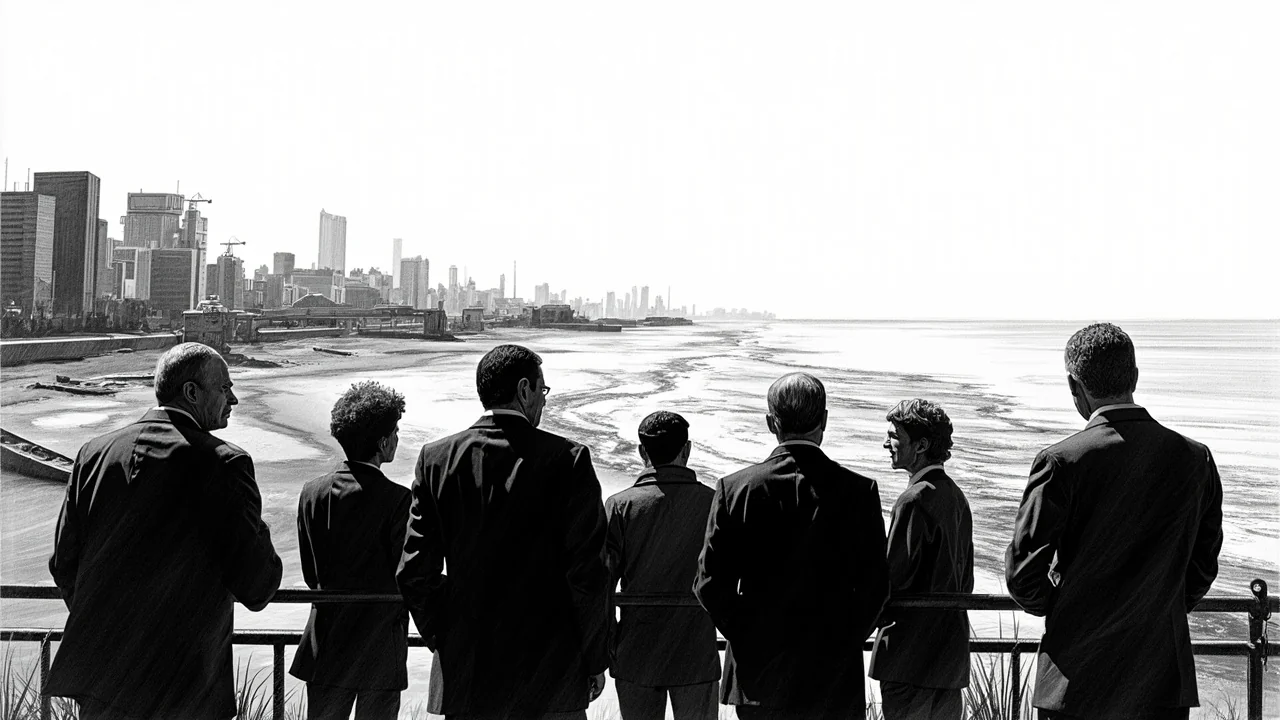
Denmark faces a stark reality check as the government unveils plans to spend DKK 14.9 billion ($2.1 billion) on coastal defenses between 2029-2040. The proposal reveals how climate adaptation has moved from environmental talking point to urgent infrastructure priority in one of Europe's most flood-vulnerable nations. Source: Danish Ministry of Environment.
Environment Minister Magnus Heunicke's promise to "protect your homes, your businesses, the values along Denmark's coasts" sounds reassuring until you examine the timeline. Eight years before serious construction begins. Coastal communities already dealing with summer flooding and storm surge damage must wait nearly a decade for meaningful protection.
Financing mystery exposes coalition tensions
The government refuses to explain how it will fund this massive undertaking. Heunicke deflects questions by referencing a mysterious "2035 economic plan" that doesn't exist yet. This creates an awkward contradiction for Venstre, the Liberal party that recently hammered Social Democrats for proposing school reforms without identifying funding sources.
Cities and Rural Areas Minister Morten Dahlin (V) now finds himself defending the same approach his party criticized weeks ago. "We know where the money comes from. It comes from the government's economic plan," he insists, referring to documents no one has seen.
Municipal burden varies by risk level
The funding split tells its own story: the state covers 85% of construction costs while municipalities pay 15%. But some coastal communities like Kerteminde will receive additional state support because they face high exposure to rising waters, according to Politiken.
This represents an escalation from Denmark's 2023 climate adaptation plan, which allocated just DKK 1.3 billion for coastal protection. The eleven-fold increase signals that previous estimates grossly underestimated the challenge facing Denmark's 7,300-kilometer coastline.
The proposal calls for dikes, flood walls, and unspecified "other forms of protection" in areas with "notable flood risk throughout Denmark." That vague language suggests the government hasn't completed detailed engineering assessments for specific locations.
Denmark's parliamentary system requires broad consensus for such massive infrastructure spending. Heunicke plans to invite all Folketing parties to negotiations, but environmental groups are already expressing frustration with the delayed timeline.
The plan's 2029 start date means Denmark will spend the next eight years watching sea levels rise while debating engineering specifications. Coastal property owners and businesses face nearly a decade of uncertainty about which areas will receive protection and which might be abandoned to the waves. Expect Kerteminde and other high-risk municipalities to lobby aggressively for first-phase inclusion.
Read more: Denmark Adopts Total Defense Strategy, Last Among Nordics.
Read more: Denmark Denies Gravel Pit Neighbors Compensation Despite Dus....