
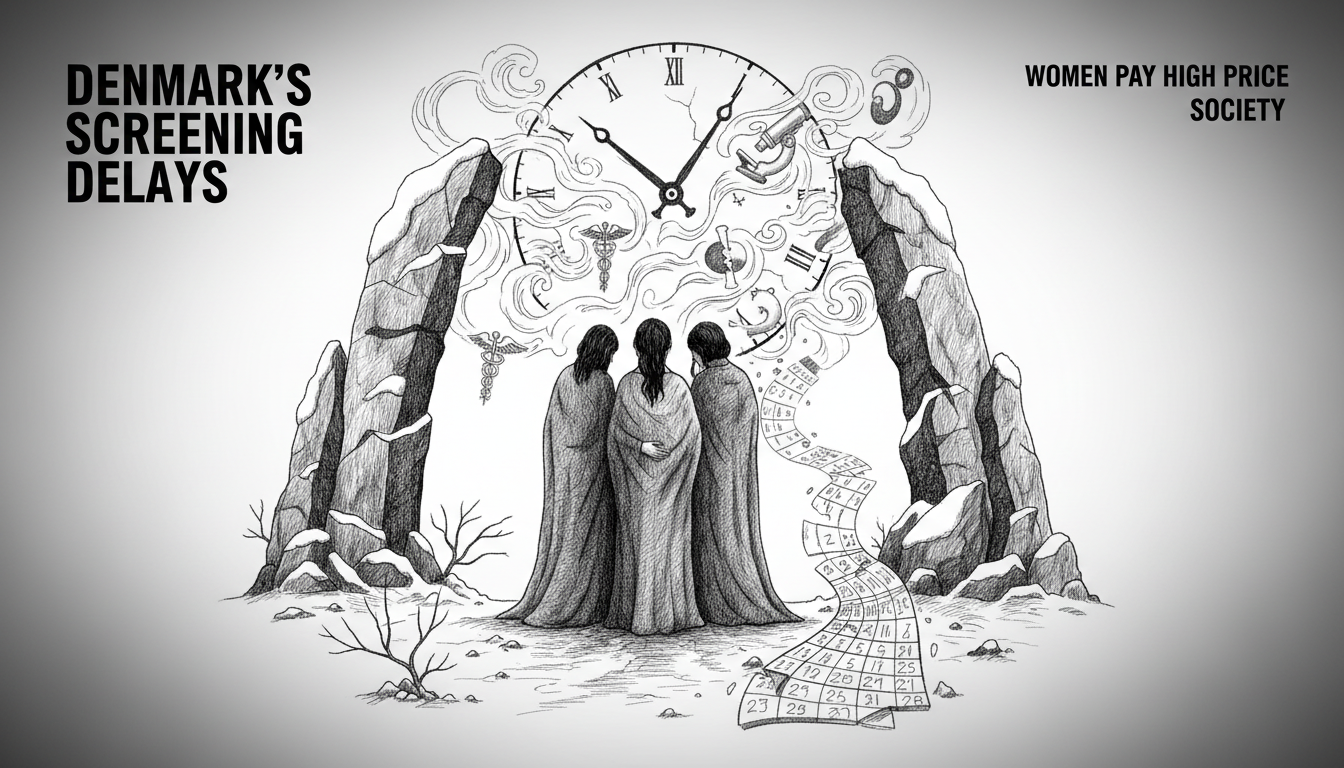
Denmark breast cancer screening failures in Copenhagen have left women with advanced disease and traumatic treatment. The case of Anne-Dorte Hansen, whose tumor grew as her screening results were delayed, symbolizes a systemic breakdown with devastating human consequences. Patients, politicians, and health authorities now describe a deeply tragic situation with terrible outcomes for many women. Some have become incurably ill. Others have undergone mastectomies, suffered severe side effects, or been pushed to their psychological limits by uncertainty and harsh, frequent treatments.
This is not just a clinical failure but a profound breach of trust in the Danish welfare system. The national screening program, designed as a protective pillar of public health, has instead become a source of harm for an unknown number of women in the capital region. The psychological toll of waiting, compounded by the physical progression of disease, creates a double trauma that challenges Denmark's self-image as a reliably equitable society.
A System Designed for Safety
Denmark's breast cancer screening program is a cornerstone of its preventative healthcare model. It routinely invites women aged 50 to 69 for a mammogram every two years, aiming to catch malignancies early when they are most treatable. Breast cancer remains the most common cancer among Danish women, making the program's efficiency a matter of life, death, and quality of life. The model relies on smooth logistics, timely analysis, and clear communication—a chain that appears to have fractured in Copenhagen.
"When you receive that invitation letter, you place your trust in the system," says Karen Møller, a spokesperson for a patient advocacy group. "You confront the anxiety of the test believing it's for your ultimate benefit. When the system then stalls, that trust evaporates. The waiting becomes a torture of its own, often with terrible news at the end of it." The delay period transforms a preventative measure into a period of helpless vigilance, where women suspect something is wrong but are powerless to get answers.
The Human Cost of Logistical Failure
The story of Anne-Dorte Hansen illustrates the personal catastrophe behind the bureaucratic term 'screening delay.' Her breast lump, detectable at a potentially manageable stage, had time to grow significantly before her diagnosis was confirmed and treatment could begin. This progression likely dictated a more aggressive treatment path, possibly changing her prognosis and certainly altering her experience of illness. Her case is tragely not isolated.
Medical experts stress that timing is everything in oncology. "Early detection through screening can mean the difference between a lumpectomy and radiotherapy versus a full mastectomy and chemotherapy," explains Dr. Lars Jensen, an oncologist not directly involved in the affected cases. "Delays can allow localized cancer to become regional or metastatic, drastically reducing treatment options and survival rates. The psychological impact of this wait, knowing a potential cancer is growing, is also severe and often overlooked in clinical assessments."
For the affected women, the consequences are bodily and permanent. Mastectomies, aggressive drug therapies with debilitating side effects, and the constant shadow of a worsened prognosis are now their reality. These outcomes directly contradict the screening program's goal of reducing mortality and morbidity through early intervention.
Unpacking a Systemic Breakdown
The critical question is how such a failure could occur in a region with Denmark's resources and healthcare expertise. While the full investigation is ongoing, typical culprits in such systemic failures include staffing shortages in radiology or pathology departments, outdated or insufficient imaging equipment, software issues in patient management systems, or simple administrative overload. Copenhagen's status as a large, busy metropolitan area may strain resources, but it does not excuse a lapse of this magnitude.
"This isn't about individual negligence, but about system design and resource allocation," says Professor Ida Nielsen, a social policy researcher focusing on healthcare. "The Danish welfare model is under pressure, and preventative care is often the first to show cracks. It's less visibly urgent than an emergency room, but its failures create their own emergencies down the line. This case should trigger a serious audit of capacity and workflow in our screening services nationwide."
The Danish Health Authority, which oversees the program, faces intense scrutiny. The delay represents a breach of the standard of care the authority itself mandates. Accountability must extend beyond identifying a technical glitch to examining why quality control safeguards failed to flag the problem before patients were harmed.
Trust and the Social Contract
The broader impact of this scandal strikes at the heart of Denmark's social contract. The high-tax, high-trust model functions because citizens believe the state will deliver essential services competently and equitably. A failure in a life-saving preventative program damages that covenant. It introduces a fear of systemic unreliability into what should be a routine, trust-based health interaction.
For immigrant communities and others who may already face barriers in navigating the Danish healthcare system, such news can be particularly damaging. It can deter participation in vital screening programs, exacerbating health inequalities. "Public health initiatives rely on collective participation," notes Fatima Al-Zahra, reflecting on integration and social policy. "When the system betrays the trust of native Danes, the ripple effect can undermine outreach to all communities, setting back public health goals for everyone."
Municipalities and social centers that often guide residents through healthcare access now face the difficult task of rebuilding confidence while demanding systemic fixes.
The Path Forward: Accountability and Reform
Moving forward requires transparent action on multiple fronts. First, a comprehensive and independent review must identify every point of failure in the Copenhagen screening pipeline. This review must be made public. Second, all affected women must be identified, contacted, and provided with immediate specialist care and psychological support. Their cases need individual review to understand the impact of the delays.
Third, a national review of screening program capacity and timelines is necessary. Are other regions at risk? What metrics, beyond simple invitation rates, are used to ensure timely diagnosis? Finally, there must be clear political accountability and a commitment to fund and staff these critical services robustly.
"We need to move from apology to action," asserts a statement from a cross-party group of politicians. "This tragedy exposes a vulnerability we must address with concrete policy and investment. The women affected deserve nothing less than a reformed system that ensures this never happens again."
The story of Anne-Dorte Hansen and many others is a stark reminder that even the most admired welfare systems are not immune to catastrophic error. The true measure of Danish society will not be in its failure, but in the rigor, transparency, and compassion with which it responds. The goal must be to restore a screening program that is not just technically functional, but is worthy of the public's unwavering trust. For the women living with the consequences of this delay, that reform comes too late. For future generations, it is an absolute necessity.