
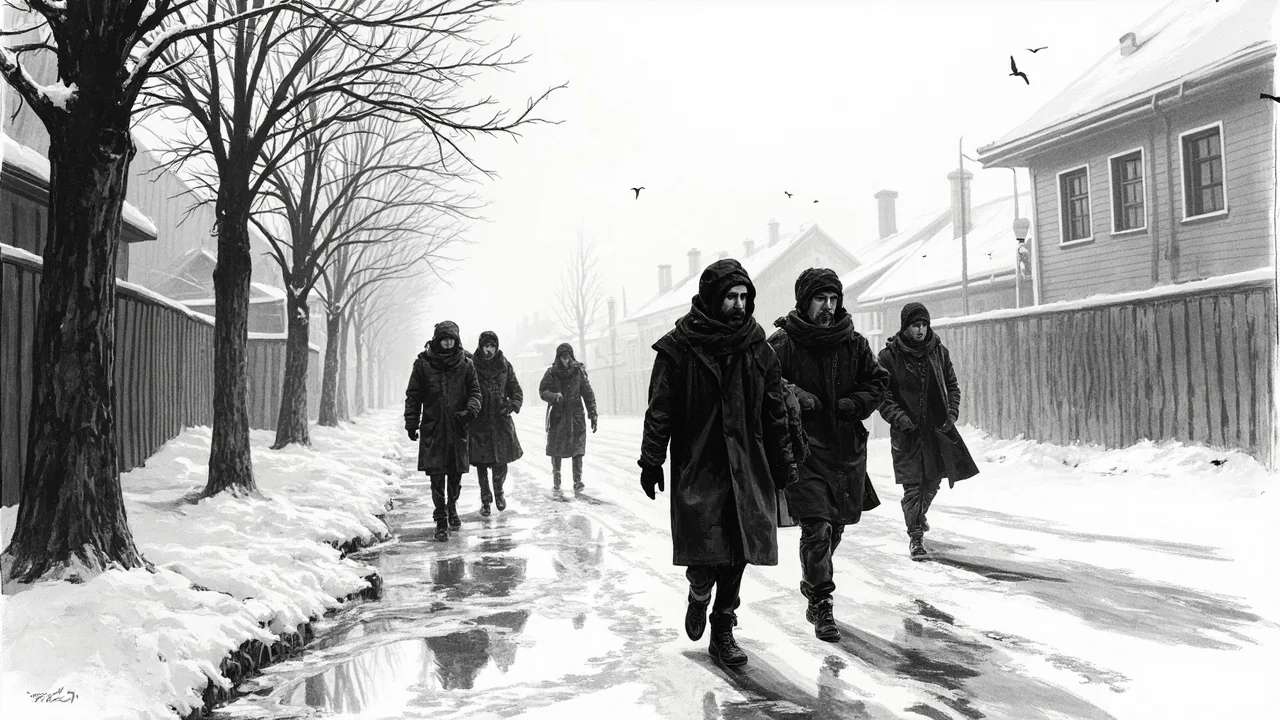
Denmark's winter weather is biting harder than the thermometer shows as a significant wind chill, or 'kuldeindeks,' takes hold across the country. The Danish Meteorological Institute (DMI) reports that despite air temperatures hovering around freezing, a persistent easterly wind will make it feel as cold as minus 12 degrees Celsius in the coming days. This disconnect between measured and perceived temperature presents a very real, if invisible, danger for residents. "If the temperature is, for example, minus one degree, the effect of the wind will make it feel much colder," explained on-duty DMI meteorologist Lars Henriksen.
The Invisible Force of the Wind Chill
The core of the forecast lies in the wind chill index, a calculation that combines air temperature and wind speed to estimate how cold it feels on exposed human skin. DMI emphasizes that the wind is a crucial factor, stripping away the thin layer of warm air that naturally surrounds the body. This process drastically accelerates heat loss, making the environment feel significantly more hostile than the still-air temperature would suggest. For the latter part of this week, cold air will combine with steady to strong winds from the east, creating these locally challenging conditions. The phenomenon is expected to be particularly noticeable from Thursday into Friday and Saturday, according to the latest weather assessment.
A Forecast of Perceived Cold
Official air temperature forecasts for the upcoming days typically range from 1 to 2 degrees of warmth down to 2 to 3 degrees of frost, with widespread night frost expected. However, the perceived temperature, dictated by the wind chill, will tell a different story. DMI states it will feel like somewhere between minus 5 and a biting minus 12 degrees Celsius. This represents a substantial drop, turning a mildly frosty day into one that requires serious thermal protection. The impact is not uniform, with exposed coastal areas and open plains in regions like Zealand and parts of Jutland likely to feel the brunt of the easterly gusts. The wind not only lowers the felt temperature but also can create blowing snow, further reducing visibility and adding to the winter hardship.
Practical Impacts on Daily Life
This kind of weather shift has immediate consequences for Danish society. Commuters cycling or waiting for public transport will need to layer up meticulously to guard against frostbite, which can begin on exposed skin in a matter of minutes under such conditions. For vulnerable populations, including the elderly and those experiencing homelessness, the increased cold stress poses a direct health risk, prompting municipalities and social services to activate cold weather protocols. The Danish Road Directorate often issues warnings for black ice during these periods, as wind can dry roads that appear clear but harbor patches of invisible, slick frost. Parents are advised to ensure children are properly outfitted for the walk to school, as the deceptive air temperature can lead to underestimating the needed clothing.
Historical Context and Regional Nuances
While not unprecedented, a sustained period of such a pronounced wind chill is a notable winter event for Denmark. The country's maritime climate often moderates extreme cold, but easterly winds drawing air from the continental interior can bypass this softening effect. Historically, similar patterns have led to increased energy consumption as households crank up heating, and they test the resilience of infrastructure. Different regions will experience the cold index differently, the wind sweeping across the flat fields of Lolland-Falster or the exposed western coast of Jutland will have a more pronounced effect than in more sheltered urban pockets of Copenhagen, though the entire nation will feel a marked chill. This event underscores how Denmark's weather is as much about the movement of air as it is about the temperature itself.
Societal Response and Adaptation
The consistent messaging from DMI serves a critical public safety function. By highlighting the wind chill index, they provide information that is more relevant to personal experience and risk than the base temperature alone. This allows individuals and institutions to make informed decisions. It influences everything from the timing of outdoor work for construction crews to the scheduling of events and the preparedness of emergency services. The Danish approach to winter, often characterized by the concept of 'hygge' and indoor coziness, is fundamentally shaped by these external conditions. Facing a perceived temperature of minus 12 degrees reinforces the societal shift inward, toward heated spaces and communal warmth, until the wind finally subsides.
Looking Beyond the Thermometer
The coming days serve as a stark reminder that weather is a felt experience, not just a number on a screen. Denmark's encounter with a harsh wind chill index highlights the importance of nuanced meteorological communication. As Lars Henriksen from DMI pointedly notes, the combination of low temperatures and wind creates local challenges that a simple temperature forecast would miss. For Danes, it is a call to look past the basic reading, to listen for the whistle of the east wind, and to prepare for the cold that truly is, not just the cold that the thermometer reports. This adaptive resilience in the face of an invisible, biting force is a quiet testament to navigating a Danish winter.