
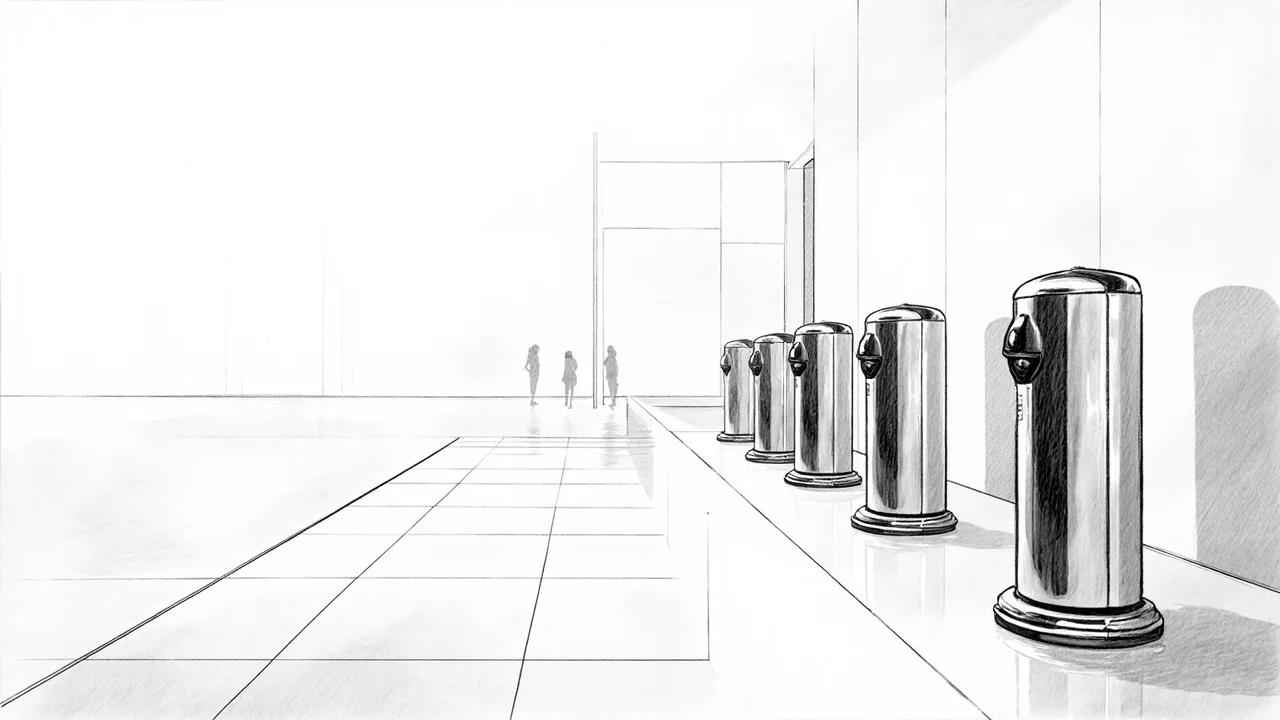
Finland's Järvenpää swimming hall is removing free soap from its changing rooms, forcing swimmers to bring their own, after misuse created safety hazards and drove up costs. The facility announced that soap dispensers will be permanently removed starting February 27, marking a significant shift in hygiene policy for the public pool. This decision stems from repeated incidents where visitors poured excessive amounts of soap onto the floors, creating serious slip-and-fall risks that compromised cleanliness and safety. Liikuntapäällikkö Tony Konkola confirmed the move, citing annual savings of 12,000 to 13,000 euros from reduced waste, refills, and cleaning needs. The change underscores a broader challenge in managing public resources as the hall adopts the OPM-periaate, or 'own detergents along' principle, while maintaining mandatory pre-swim showers.
A Slippery Situation in the Changing Rooms
The problem began with visitors treating the freely provided liquid soap not just for washing but as a substance to be recklessly dispensed. Staff at the Järvenpää uimahalli reported finding soap slathered across floor surfaces in the changing areas, leading to dangerously slick conditions. This wasn't minor spillage but deliberate, widespread pouring that required frequent, intensive clean-ups to prevent accidents. The misuse transformed a basic hygiene amenity into a persistent liability, forcing the management to reassess its provision model. Konkola noted that soap consumption had increased dramatically, with the associated costs and labor becoming unsustainable for the municipal facility. The posted notice informing users of the change is a direct response to these ongoing incidents, highlighting how public behavior can dictate service availability.
Calculating the Cost of Carelessness
Financial pressures played a key role in the decision, with the estimated 12,000–13,000 euro annual savings revealing the scale of the waste. Konkola explained that the runaway soap usage spiked operational expenses through constant replenishment of dispensers and additional sanitation measures. Every instance of soap dumped on the floor meant staff time diverted for mopping and hazard mitigation, adding layers of unplanned expenditure. For a public facility funded by taxpayer money, such avoidable losses are hard to justify, especially when they stem from misuse rather than genuine need. The savings from this policy shift will be redirected to other maintenance or service improvements, according to the management. This cost-benefit analysis shows how even small acts of waste, when multiplied across many users, can have substantial budgetary impacts on local infrastructure.
Shifting to Personal Responsibility for Hygiene
With the removal of communal soap, the swimming hall is enforcing the OPM-periaate, requiring all visitors to bring their own washing supplies. Showering before entering the pool remains mandatory, a standard rule in Finnish swimming halls to maintain water quality and public health. The new policy places the onus on individuals to manage their hygiene, effectively decoupling the facility from the supply chain for soap. This move could streamline operations by eliminating the logistics of stocking and maintaining dispensers, while also reducing the environmental footprint of cleaning up wasted product. However, it also tests public compliance and adaptability, as regulars must now remember to pack soap alongside their towels and swimsuits. The transition reflects a pragmatic approach to resource management in public spaces, where shared amenities sometimes fall victim to collective abuse.
Broader Lessons for Public Facility Management
The Järvenpää case offers a microcosm of wider issues facing municipal services across Finland. Public pools and similar venues constantly balance accessibility with sustainability, often grappling with how to offer conveniences without encouraging waste. While extreme, the soap misuse here echoes challenges elsewhere, such as vandalism or overconsumption of utilities, that drive up costs and force policy revisions. The decision to remove soap isn't merely about saving money, it's a response to a failure of communal responsibility, where a few actions jeopardize amenities for all. As other facilities watch, this could inspire similar evaluations if they face comparable issues, potentially leading to a trend toward personalized hygiene standards. Ultimately, the success of this change will hinge on public acceptance and whether the move fosters greater care among users, ensuring safety and efficiency without sacrificing cleanliness.
What This Means for Swimmers and Saverity
For residents of Järvenpää and visitors to the swimming hall, the immediate impact is a slight adjustment to pre-swim routines, with no compromise on hygiene requirements. The facility's emphasis remains on safety, both in terms of preventing slips and maintaining pool water quality through continued showering. Konkola's announcement serves as a reminder that public resources are finite and that their availability depends on respectful usage. As Finland continues to prioritize efficient public spending, such local decisions may become more common, reflecting a shift toward user accountability in shared spaces. The question now is whether this measure will curb the waste and hazards it targets, or if it will simply transfer the burden to individuals without addressing deeper behavioral roots. Only time will tell if the end of free soap leads to a cleaner, safer environment or prompts new challenges in managing public expectations.