
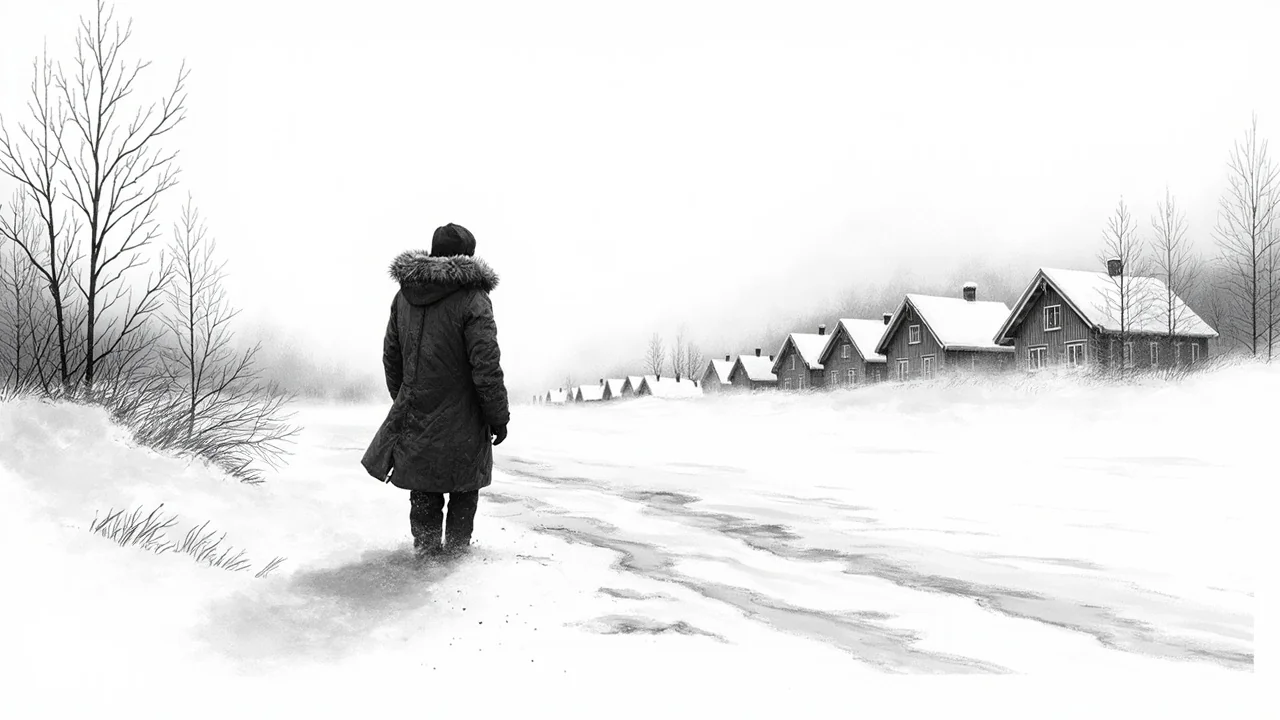
Norway's persistent winter freeze is set to continue for at least another ten days across large parts of the country. The extensive and long-lasting cold is unusual, according to on-duty meteorologist Tone Christin Taule at the Meteorological Institute.
"It is not unusual to have winter cold in January and February, but what stands out now is how extensive and long-lasting it is. It doesn't happen often that all of Norway is in such a cold period at the same time," Taule said in a statement.
A Nation in the Deep Freeze
The cold has been remarkably widespread. From Lindesnes in the south to North Cape in the far north, temperatures have largely stayed below zero. While some places may see temperatures briefly climb to between 1 and 3 degrees Celsius during the day, the overall pattern remains frigid. In Oslo, there have barely been any days above freezing so far in 2026, making this year's cold period notable compared to previous winters.
On the west coast, such prolonged cold is a rare event. Taule explained that high pressure lingering over the country has prevented low-pressure systems, which typically bring milder air and precipitation, from moving in. "On the West Coast, low pressures from the ocean usually give milder weather, but the high pressure has held its ground," she noted. There are signs of change in Northern Norway, where the high pressure is beginning to weaken, potentially allowing for slightly milder conditions and some precipitation next week.
Daily Life on Ice
For Norwegians, the enduring cold means adapting daily routines. Emma, 23, and Fredrik, 26, ventured out on a Tuesday evening despite the snow. "I was ready for spring. I thought it had started to get a little warmer again, but then it snowed a lot today," said Emma. She defiantly put on her running shoes regardless. "It didn't work so well because it's very slippery. I'm trying to combine a bit of spring and winter with a thick jacket and running shoes."
Fredrik made the same sartorial choice, despite ice and snow on the ground. "I'm betting that the running shoes will work, and they mostly do. Except that I almost fell flat on my face back there," he admitted. Both agreed they should have worn ice cleats, but opted not to. "I usually don't use cleats, it makes us feel a bit old. We'd rather take the risk," said Emma.
Another pair, Inga and Cecilie, both 25, also braved the cold. "We've tried to dress for the weather, but it's being tested already now," they said. They agreed they would rather have cold than rain and sleet, but still believe it should be allowed to complain a little. "If you complain with someone else, it's just nice. That's probably how you get through it," they reasoned.
The Meteorological Standstill
The core of the unusual weather is a stagnant atmospheric pattern. The dominating high-pressure system has acted as a barrier over Scandinavia. This blocking pattern is common in winter but its persistence and strength this season are what make the event stand out. It has deflected the usual procession of Atlantic storms that typically moderate Norway's coastal climate, particularly in the west.
While the east of Norway often experiences stable, cold continental air in winter, the west coast is far more accustomed to maritime influences. The current pattern has placed the entire country under a similar, frozen dome. The meteorologist's forecast suggests only a gradual and partial breakdown of this pattern, starting in the north. This means the south and west can expect the signature clear, crisp, and very cold days to continue for the foreseeable future.
A Test of Norwegian Fortitude
Norwegians are famously resilient to winter weather, but the length of this cold spell is testing even their adaptability. The conversation around cleats versus running shoes highlights a common seasonal dilemma, balancing practicality with a desire for normalcy. The shared experience, however, provides a form of communal bonding, as noted by Inga and Cecilie's comments about complaining together.
The cold has implications beyond personal comfort. It affects transportation, increases energy demand for heating, and challenges infrastructure. Yet, the prevailing attitude, as seen in the individuals who chose to go for their evening walk despite the ice, is one of defiance and adaptation. Life continues, just with thicker jackets and more cautious steps.