
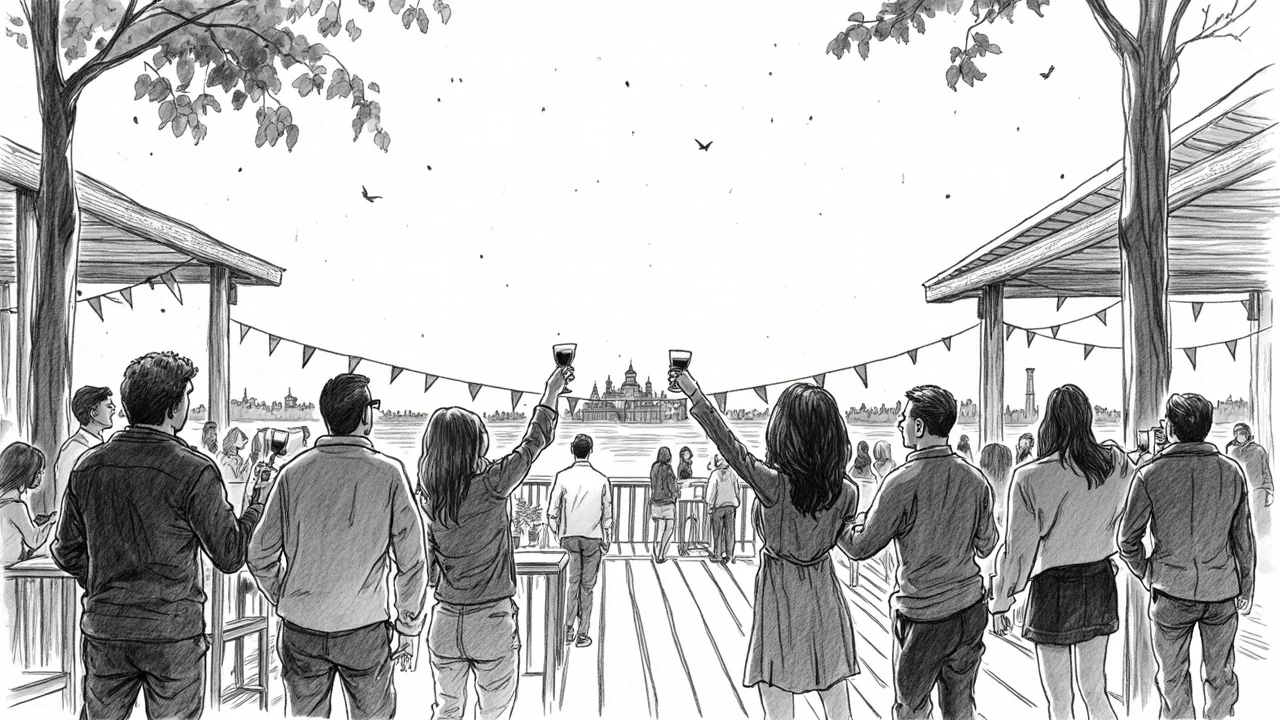
Lappeenranta's popular Rokkiluola bar is adding 30 square meters of outdoor seating by taking over two former parking spots on Pormestarinkatu for the summer season. Bar owner Tony Gilabert secured the annual lease from the city to install the new terrace starting May 1st, aiming to have it ready for the Vappu (May Day) celebrations. The expansion directly addresses last summer's constant overflow, where potential customers turned away from the existing ten-seat terrace that was perpetually full.
Gilabert described a simple motivation behind the project. 'Last summer, there was a constant stream of people at the door checking if there was space on the terrace, finding it full, and going back inside,' he said. The current narrow terrace could not meet customer demand during peak hours, leading to lost business opportunities on sunny days.
The city's vicennial decision to lease the public street space is a standard administrative procedure for seasonal terraces. The approved lease runs from May 1st to September 30th, aligning with Finland's typical outdoor serving season. This type of arrangement allows businesses to temporarily utilize public areas to enhance local commercial activity and urban ambiance.
From Parking to Patio
The transformation of parking spaces into patio seating reflects a broader trend in Finnish urban development. Cities are increasingly prioritizing pedestrian-friendly spaces and commercial vitality over vehicle storage in central areas. The 30-square-meter plot represents a tangible shift in how street space is allocated, favoring social and economic use during the warmer months.
Municipal approval for such projects requires consideration of pedestrian flow, accessibility, and neighborhood impact. The assigned location directly in front of Rokkiluola ensures the expansion is integrated with the existing business operation. This contiguous growth is more practical than seeking a separate, disconnected terrace location elsewhere on the street.
Seasonal Business Strategy
The annual lease structure provides flexibility for both the city and the business. It allows the municipality to reassess the use of the space each year, while giving the bar owner certainty for seasonal planning and investment. The timing of the launch for Vappu is strategically significant, as the May Day holiday marks the traditional start of intense outdoor socializing in Finland.
Vappu celebrations, which include picnics, sparkling wine, and student cap festivities, see massive crowds in public spaces. A new terrace operational for this event positions Rokkiluola to capture significant early-season revenue. The success of this expansion will be immediately tested by one of the busiest single days of the year for Finnish restaurants and bars.
Operational Implications
Adding a terrace of this size requires more than just placing tables on asphalt. Gilabert must arrange for proper furnishings, potential sun shading, and barrier systems to define the area safely. Service logistics also change, as staff will need to cover a larger area, potentially impacting staffing levels during shifts.
The expansion effectively doubles or triples the bar's outdoor capacity. This increased footprint can help manage queues and indoor congestion by providing a more attractive waiting area with service. It transforms the external space from a simple entrance into a dedicated revenue-generating zone.
Broader Hospitality Trends
This move by Rokkiluola mirrors adaptations across Finland's hospitality sector following busy summer seasons. Many restaurants and cafes seek to maximize their short outdoor serving window to recover from quieter winter months. Municipal cooperation in facilitating these expansions can be crucial for local business health.
Customer preference for outdoor seating, especially post-pandemic, has remained strong. Terraces offer perceived safety through ventilation and are highly popular for people-watching and enjoying the fleeting Finnish summer. Businesses that fail to provide adequate outdoor options risk losing customers to competitors who do.
Practical Challenges Ahead
While the permit is secured, practical work remains. The terrace must be constructed to meet all safety and accessibility regulations. Weather dependency remains a key factor, a rainy summer can limit the return on investment for the expanded space. However, the demand demonstrated last summer suggests a calculated risk.
The removal of two parking spots may inconvenience some, but the trade-off aims to create a more vibrant street atmosphere that attracts more people to the area overall. The economic activity generated by a successful terrace often outweighs the loss of minimal parking revenue for the city.
Looking to the Summer
The true test will come when the first Vappu crowds arrive. If successful, the new terrace will become a permanent seasonal feature, changing the streetscape of Pormestarinkatu each year. For regular customers, it promises more opportunities to enjoy a drink outside without facing a perpetually full terrace.
Gilabert's solution is a straightforward response to a clear market signal: demand exceeded supply. The expansion, made possible by municipal leasing, represents a small-scale but concrete example of public space being adapted to support local business growth and enhance community social options. Its success will be measured in full seats throughout the summer.