
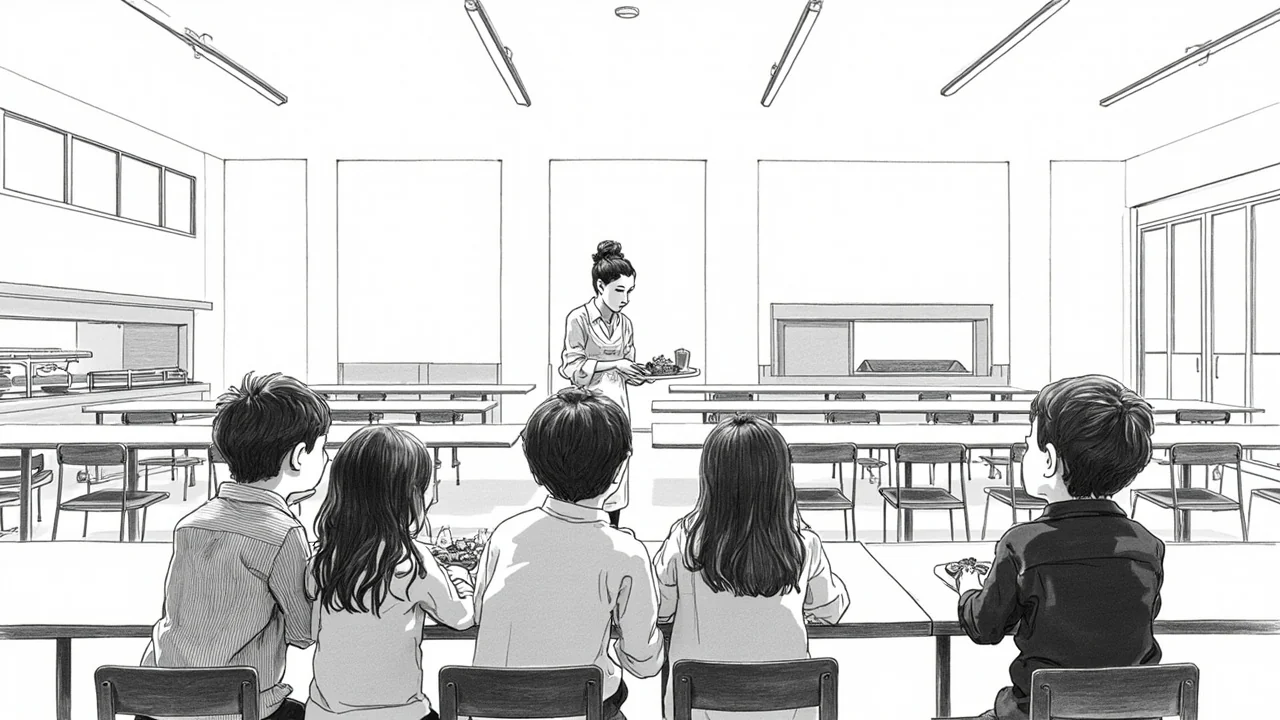
Finland's city of Riihimäki has allocated €35,000 to improve the quality of school meals, following a direct vote by residents through a participatory budgeting process. The decision means an extra 50 cents per student will be spent on providing fresher and more varied daily options. The 'Better Quality School Food' pilot was the clear winner in the vote, supported by 836 citizens. It will introduce daily rotating items like fresh bread, cold cuts, more fruit, larger salad portions, and desserts. The initiative is one of twelve citizen-proposed projects receiving a share of €100,000 in total participatory budgeting funds this year. After the trial period, students will be asked for their feedback, which will be passed on to city decision-makers. This process highlights a growing trend in Finnish municipalities to involve residents directly in allocating portions of the local budget, particularly for services affecting daily life. The winning proposal underscores the high priority Finnish families place on the national school meal system, a cornerstone of the country's education and welfare policy. The city's participatory budgeting project manager, Mira Ahjoniemi, reported record engagement. 'A record number of 1,464 Riihimäki residents voted in January, which is 49 percent more than the previous year,' Ahjoniemi said in a statement. The strong turnout indicates a robust local interest in shaping community services through direct democracy mechanisms common in Nordic governance.
Youth-Focused Projects Gain Momentum
Children and young people's preferences were prominently heard in this year's voting. The second and third most popular proposals also targeted student wellbeing. An 'Afternoon Snack for Secondary Schools' pilot received €10,000 with 478 votes, while a 'Free Snack for High School Students' initiative got €10,000 with 307 votes. In total, eight of the twelve funded ideas directly impact children and youth. 'We get to implement as many as eight ideas affecting the lives of children and young people,' said wellbeing coordinator Marjo-Kaisa Konttinen, expressing delight at the outcome. This focus reflects a strategic effort by the city to engage younger citizens and address their needs through accessible funding channels. The process allows even those too young to vote in general elections to influence community spending through family participation and idea generation.
Diverse Community Initiatives Funded
The participatory budgeting pool of €100,000 was divided among a wide range of local projects beyond school meals. Support for an event for the homeless received €1,000, while a proposal for 'Free Hobbies for All' was granted €10,000. Other funded projects include a €5,000 water trampoline for the Riihimäki swimming pool, new public defibrillators for €10,000, and €6,000 to support a local youth moped activity. Smaller grants included €1,000 for bicycle repair tools at the library, €3,000 for child-friendly events at a local venue, and €2,000 for a pop-up traffic park. A practical proposal to add benches to bus stops received €7,000. 'It enables the purchase and installation of 3-4 accessible benches at the most used bus stops where adding a bench is possible,' Ahjoniemi explained. The diversity of projects showcases the varied interests and needs within the community, from health and recreation to mobility and social support.
The Mechanics of Local Democracy
Participatory budgeting in Riihimäki follows a clear cycle. Citizens first submit ideas for projects that benefit the community. These ideas are then refined and presented for a public online vote, as was held until January 31st this year. The projects with the most votes, within the total allocated budget, are then implemented by the city. This model represents a shift from traditional top-down budget decisions to a more inclusive, grassroots approach. It empowers residents to identify gaps in services or opportunities for enhancement that officials might overlook. The record participation suggests the model is gaining legitimacy and popularity as a tool for civic engagement. For a mid-sized Finnish city, this level of direct involvement in fiscal policy is a significant experiment in municipal democracy.
Context and Implications for Finnish Governance
The success of the school food initiative in Riihimäki occurs within a specific national context. Finland has provided a free, hot daily school meal to all pupils since the 1940s, a policy deeply embedded in the national ethos of equality and support for families. However, the quality and composition of these meals can vary between municipalities based on local budgets and priorities. The Riihimäki vote demonstrates a public willingness to directly allocate funds to uphold and improve this standard. While the sum of €35,000 is modest for a city budget, its symbolic value is considerable. It signals that residents consider investment in children's nutrition and daily school experience a top priority. The pilot also sets a precedent for evaluation, as student feedback will directly inform future decisions. This creates a responsive loop between the service users and the policymakers, a key goal of participatory models. Other Finnish municipalities observing this process may consider similar allocations or participatory methods to gauge public support for specific budgetary items. The model aligns with broader Nordic principles of transparency and citizen involvement in the public sector. It remains a practical example of how local governments can test small-scale innovations in service delivery based on clear democratic mandates. The question now is whether the tangible improvements on the lunch tray will meet student expectations and validate this exercise in direct budget allocation.