
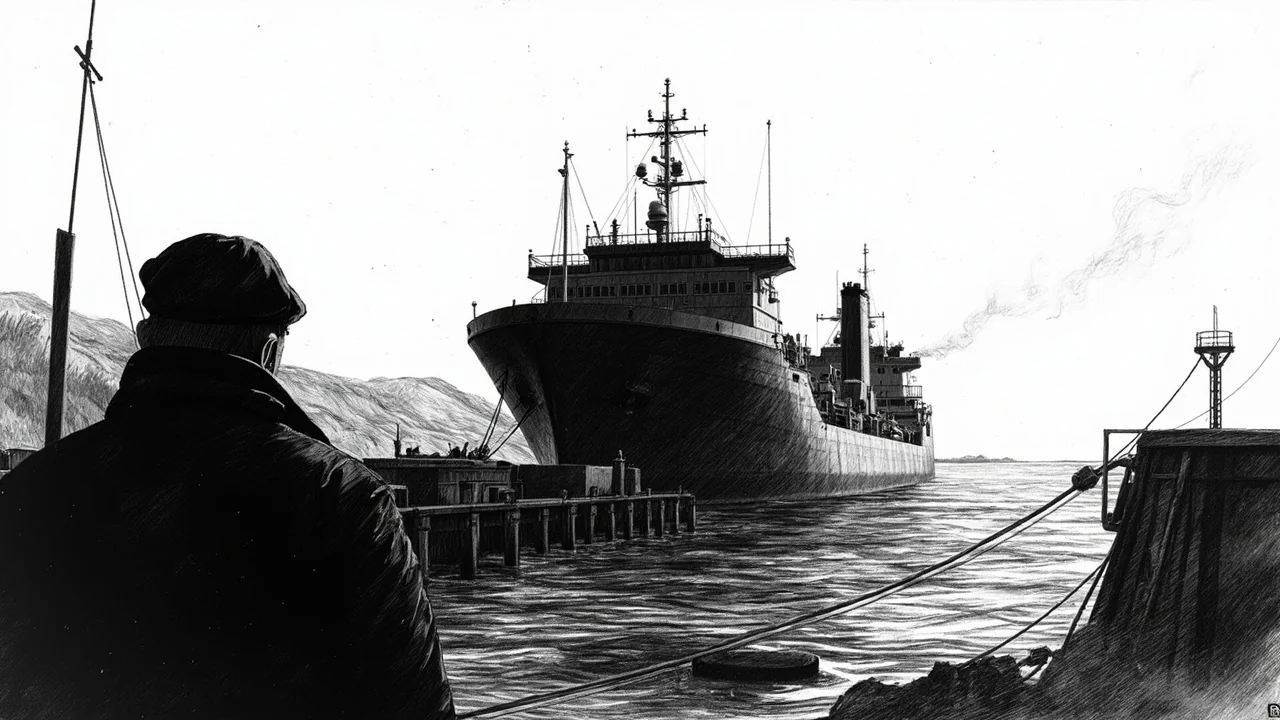
Finland's police have advanced their investigation into a Russia-linked undersea cable sabotage case with the seizure of cargo vessel Fitburg. The vessel was intercepted while sailing from Russia to Israel, according to a Reuters report dated January 2. This development marks significant progress in a case that has raised security concerns across the Baltic region and underscores Helsinki's focus on critical infrastructure security.
Seizure at Sea: Fitburg Intercepted
Authorities executed the seizure in a coordinated operation, detaining the Fitburg for further searches and inquiries linked to the cable breach probe. The cargo vessel's route from Russia to Israel placed it under scrutiny as part of the ongoing investigation. Finnish police confirmed updates emerged within a 48-hour window, intensifying the pace of their work on this security threat. This action highlights the government's commitment to addressing vulnerabilities in undersea communications networks.
The seizure points to potential connections between the vessel and the sabotage of underwater cables essential for data transmission. Undersea cables are critical for Finland's connectivity and economic stability, making their protection a national priority. The Eduskunta has previously debated legislative measures to safeguard such assets, reflecting broader European Union directives on infrastructure resilience. Finnish ministers have consistently emphasized the need for enhanced cooperation with EU partners on security matters.
The Cable Breach: A Security Threat
The cable breach incident involved damage to underwater cables that facilitate internet and telecommunications services across the Baltic Sea. Such sabotage can disrupt communications and pose direct risks to national security and economic operations. Finland's geographic position makes it particularly exposed to these types of hybrid threats, which align with patterns observed in neighboring EU states. The government has monitored similar incidents, integrating findings into EU-wide strategies for critical network protection.
Police have not disclosed full details of the breach, but the investigation focuses on possible foreign involvement given the Russia-link. This aspect adds complexity due to Finland's historical and current relations with its eastern neighbor. Helsinki has actively called for stronger EU responses to hybrid threats, including physical attacks on infrastructure like undersea cables. This case may influence upcoming policy discussions in the Finnish Parliament, potentially shaping new security frameworks.
Police Progress: Updates in 48 Hours
In the past 48 hours, Finnish police reported concrete progress, culminating in the Fitburg's seizure and subsequent evidence gathering. Authorities conducted searches and coordinated with multiple agencies, possibly including border guards and intelligence services. The rapid updates suggest a focused effort under Finland's comprehensive security approach, which is integrated with EU crisis management protocols. This demonstrates the operational capacity of Finnish authorities in handling high-stakes investigations.
The Reuters report on January 2 highlighted the timing of these developments, indicating a methodical investigation pace. Police statements have been cautious, avoiding premature conclusions but affirming the seizure's importance for the case. This aligns with standard procedures in security-sensitive investigations, where transparency balances with operational needs. The Eduskunta's oversight committees are expected to receive briefings on the progress soon, ensuring parliamentary scrutiny.
EU and Finnish Response
Finland's response to the cable breach involves both national measures and enhanced EU collaboration, as seen in recent Brussels discussions. The government has reiterated its stance on protecting critical infrastructure, referencing EU directives that mandate member state cooperation on security threats. Finnish ministers have participated in EU forums focused on Baltic Sea security, where undersea cable protection is a recurring agenda item. This incident may accelerate the implementation of new EU regulations and joint monitoring initiatives.
The seizure of a vessel en route from Russia to Israel touches on international maritime law and diplomatic considerations. Finland's actions demonstrate its willingness to enforce security protocols even in complex jurisdictional scenarios. The EU has supported member states in countering hybrid threats, and this case could set a precedent for future cross-border operations. Helsinki's government district has been active in coordinating with Nordic and EU partners, reflecting a unified approach to regional stability.