
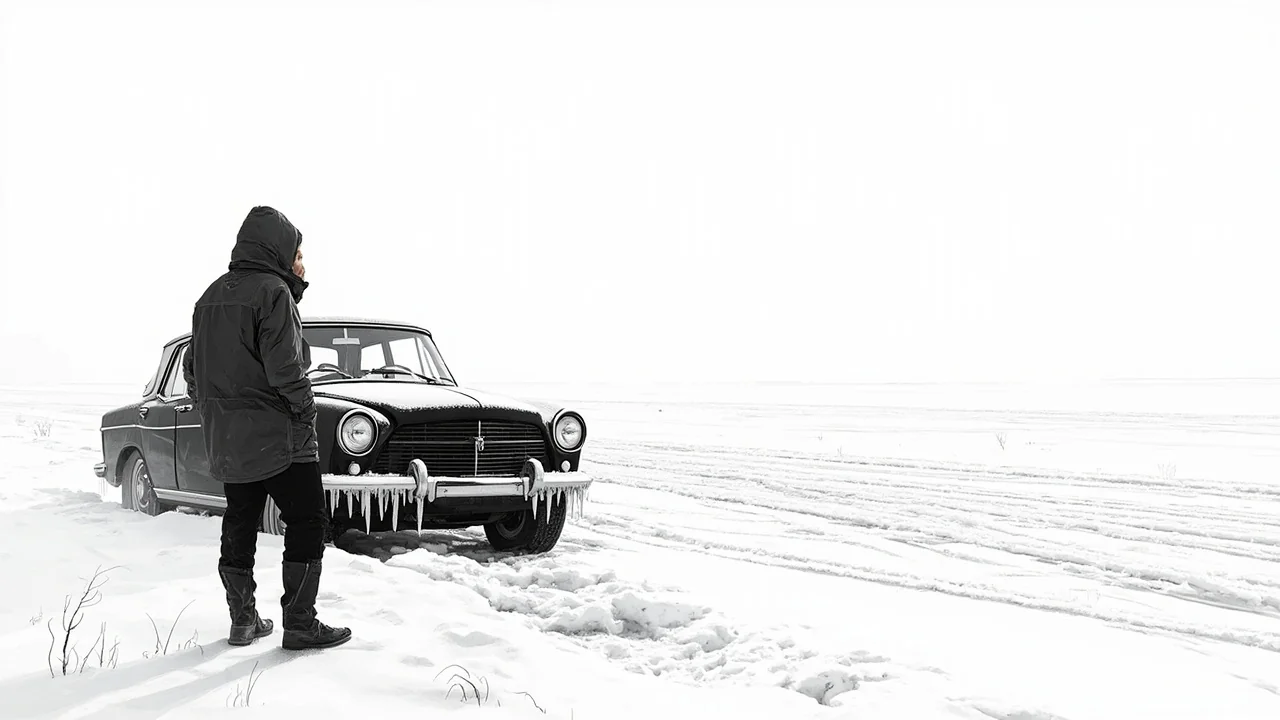
Finland's sub-zero temperatures cause thousands of car breakdowns weekly, overwhelming roadside assistance services during the coldest months. Pekka Paasonen, the Finnish Automobile Association's Central Finland district roadside service technician and their 2023 'Tiepalvelumies of the Year', reports that the volume of work multiplies as soon as the mercury dips to minus ten degrees Celsius. For professionals like Paasonen, the deep freeze transforms quiet rural roads and urban side streets into a continuous circuit of emergency calls, with holiday cottages in places like Himos being particular hotspots for stranded vehicles. The core of the issue is mechanical failure induced by extreme cold, which doesn't require a car to be stationary for long. 'Usually they start with a boost, but sometimes the fuel pump is so frozen it has to be thawed first,' Paasonen states, describing the routine yet critical troubleshooting process. This seasonal surge represents a significant operational challenge for service providers and a major inconvenience for drivers across the country.
The Mechanics of Cold-Weather Failure
A car battery can lose a substantial portion of its starting power in severe cold, meaning a vehicle parked for less than a day can refuse to start. Paasonen's observation underscores how quickly Finnish winter conditions can immobilize modern vehicles. The problem extends beyond mere dead batteries to encompass frozen fuel lines, thickened engine oil, and malfunctioning electronics, all of which compound a driver's difficulties. The process is rarely a simple jump-start, it often involves diagnostic work in challenging conditions. 'You have to get those carcasses started and wonder,' Paasonen remarks, using a colloquial term that captures the frustration of dealing with unresponsive machinery in the freezing air. This hands-on, problem-solving aspect defines the winter work for roadside technicians, who must be part mechanic and part diagnostician while braving the elements.
Regional Hotspots and Seasonal Pressure
Areas with a high concentration of secondary homes, such as the popular ski resort region of Himos, see a disproportionate number of call-outs. These cottages often house vehicles that are used infrequently during winter, leaving them more susceptible to cold-related failures when owners arrive for a weekend. The pattern of calls creates a logistical map of where people and their cars are struggling, highlighting the intersection of Finnish leisure culture and harsh climate realities. The seasonal pressure on services like those provided by the Finnish Automobile Association is predictable yet demanding, requiring efficient routing and resource management to handle the geographically scattered incidents. Technicians spend considerable transit time on winter roads, which are themselves often hazardous, to reach customers who may be far from service centers or towns.
Driver Preparedness and Preventative Steps
While roadside professionals handle the aftermath, the narrative also points to the critical role of driver preparedness. Common preventative measures include using engine block heaters, parking in sheltered areas, ensuring battery health before winter, and using winter-grade engine oil. The frequency of breakdowns suggests that despite widespread knowledge of these steps, many drivers are still caught unprepared by the speed and severity of the cold's impact. The work of technicians like Paasonen serves as a repeated, practical reminder of the absolute necessity of winter vehicle maintenance in a Nordic climate. Their expertise not only resolves immediate crises but also provides an informal education to drivers on the vulnerabilities of their vehicles.
The Human Element of Winter Service
The story, centered on a professional's experience, highlights a vital but often overlooked winter service sector. Paasonen's role is emblematic of a workforce that ensures mobility and safety when conditions are at their worst. The job requires technical skill, patience, and a high tolerance for working outdoors in extreme weather. The quote about starting 'carcasses' conveys a blend of professional competence and wry humor that is characteristic of dealing with recurrent, weather-driven problems. It is a role defined by direct human assistance, providing relief to stranded, often cold and frustrated motorists, and restoring their ability to travel. This service infrastructure is a key component of Finland's societal adaptation to its winter environment, allowing daily life and travel to continue despite the profound challenges posed by the season.
Economic and Logistical Implications
The annual spike in breakdowns has clear economic implications, from the costs of emergency service calls and repairs to broader impacts on productivity if people cannot get to work. For service organizations, it requires managing fleet readiness, staffing levels, and parts inventories to meet a highly seasonal demand curve. The efficiency of this response network affects not just individual drivers but also commercial transport and the general reliability of road travel during winter months. The situation is a managed, expected crisis, woven into the operational planning of automotive service providers across Finland. It underscores a national reality where a significant portion of the annual workload for this industry is dictated by a few intensely cold months.
A Recurring Cycle and Resilience
Ultimately, the phenomenon described is a cyclical and ingrained part of the Finnish winter experience. The reliance on skilled technicians, the prevalence of preventative technologies like block heaters, and the shared understanding of winter driving risks form a cultural adaptation to climate. The work of people like Pekka Paasonen is a frontline response in this adaptation, dealing with the immediate mechanical failures that the cold guarantees. Their efforts facilitate a national resilience, enabling a society to function in a landscape that regularly tests the limits of its technology and preparedness. As long as Finnish winters remain severe, the seasonal ritual of thawing fuel pumps and boosting batteries will continue, supported by a network of professionals who know exactly what to expect when the temperature plummets.