
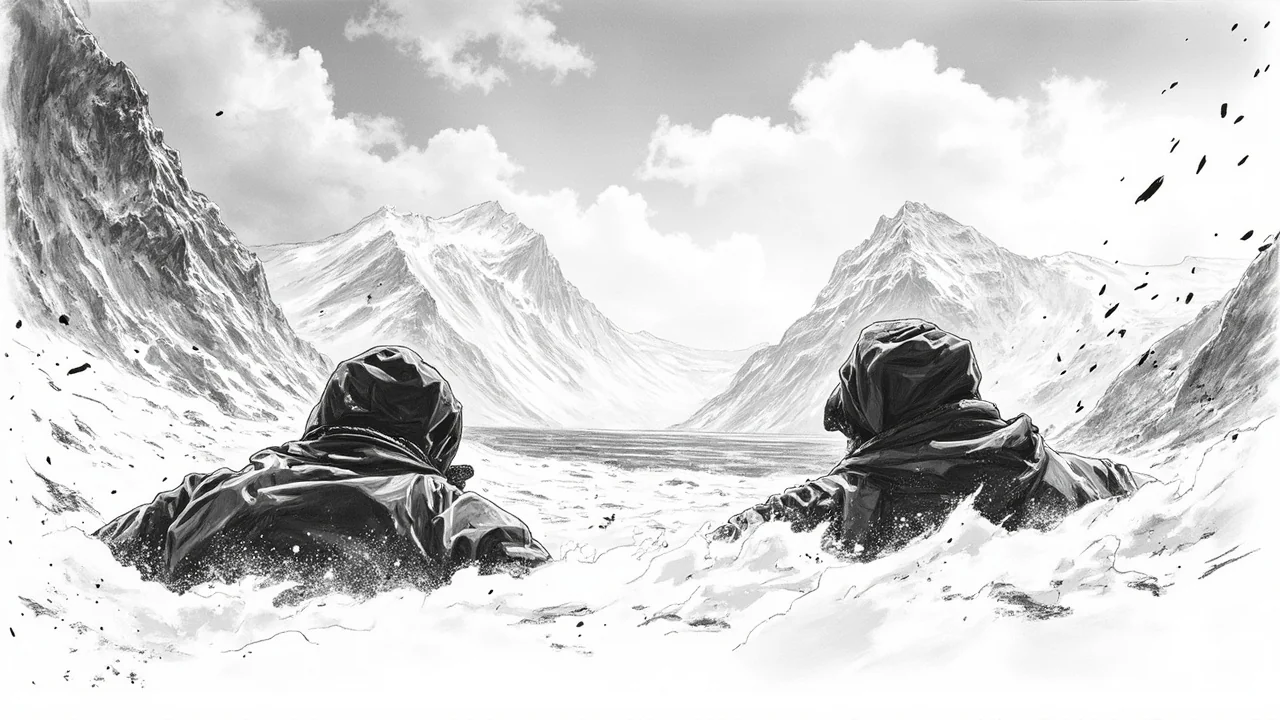
Two men are in critical condition after falling through ice on Aksdalsvatnet in Tysvær, Norway, prompting a major rescue operation. Emergency services were alerted at 6:38 PM on Tuesday to reports of a person potentially breaking through the ice on this lake in Rogaland county. A rescue helicopter was dispatched, and both men were extracted from the water and airlifted to Haukeland University Hospital in Bergen. Police confirmed the critical injuries and stated they are in contact with the families of the two individuals. The incident underscores the persistent dangers of winter ice in Norwegian regions, even as the country debates broader Arctic safety policies.
The Rapid Rescue Operation
Police received the initial emergency call at 18:38 local time, coordinating immediately with coastal and aerial rescue units. The location, Aksdalsvatnet, is a lake in the Tysvær municipality, an area known for its inland waterways and proximity to the North Sea. Rescue teams faced fading daylight and freezing temperatures, common challenges in Norwegian winter operations. The use of a rescue helicopter, standard for critical incidents in remote or difficult terrain, allowed for swift transport to Haukeland, Norway's primary trauma center for western regions. Authorities have not released the identities of the men or the circumstances that led them onto the ice, citing the ongoing investigation and family notifications.
Hospital Response and Critical Care
Haukeland University Hospital in Bergen is now overseeing the care of both patients, who remain in critical condition. As a major hub for emergency medicine in Norway, the hospital is equipped to handle severe hypothermia and trauma associated with ice-water immersion. Medical protocols for such incidents are well-established, given Norway's climate and outdoor culture. The police emphasize that their focus is on supporting the families while the hospital team works to stabilize the men. No updates on their prognosis have been provided, but the severity of the injuries highlights the life-threatening risks of thin ice, a hazard that resurfaces annually across Norwegian fjords and lakes.
Ice Safety in Norwegian Context
This accident occurs during a season when ice conditions are notoriously unstable in parts of Norway. While not directly in the High Arctic, Rogaland's coastal climate can lead to deceptive ice formation on inland waters like Aksdalsvatnet. Norwegian authorities, including the Directorate for Civil Protection, routinely issue warnings about checking ice thickness before venturing out. General advice suggests that clear, blue ice must be at least 10 centimeters thick to support a single person, but variables like temperature fluctuations and underwater currents can weaken it. In Tysvær, local municipalities often post advisories, but adherence varies among residents engaged in winter fishing or recreation.
Community Impact and Family Support
The Tysvær community, with a population of around 11,000, is likely grappling with the shock of this incident. Police have confirmed direct communication with the families, a standard practice in critical accidents to ensure privacy and provide assistance. Such events resonate deeply in Norway's tight-knit coastal towns, where outdoor activities are integral to daily life. Neighbors and local organizations may mobilize support, reflecting Norway's strong communal response traditions. The psychological toll on responders and families is acknowledged, though official counseling services are typically offered through municipal health networks.
Broader Implications for Winter Preparedness
This tragedy brings attention to Norway's ongoing efforts to balance its outdoor heritage with safety mandates. While not a political story per se, it touches on themes relevant to Norwegian affairs, such as emergency service funding and Arctic policy discussions about environmental risks. The Storting has previously debated initiatives to improve public awareness of natural hazards, including ice safety campaigns. In regions like Rogaland, where oil industry activity coexists with recreational use of waterways, incidents like this remind citizens of the unpredictable nature of Norwegian winters. Future prevention may hinge on enhanced local signage or community education programs, though no policy changes have been announced following this event.
A Look at Historical Patterns
Ice-related accidents are not uncommon in Norway, with statistics showing seasonal peaks in late winter and early spring. For instance, past data from the Norwegian Water Resources and Energy Directorate indicate that several dozen incidents occur annually, though critical injuries are less frequent. Each case prompts reviews of rescue coordination, which in Norway involves a network of police, coast guard, and volunteer organizations. The efficiency of this response in Tysvær—with helicopter deployment within minutes—demonstrates the system's capability, yet the outcome hinges on the severity of the immersion. As climate change alters ice stability patterns, such events could influence long-term safety planning in northern latitudes.
Moving Forward from Tragedy
The focus now remains on the medical recovery of the two men and the well-being of their families. Police investigations will likely examine whether ice conditions were assessed prior to the accident, though no blame has been implied. For Norwegians, this incident serves as a sobering reminder of nature's risks, even in familiar settings. It may spur local discussions in Tysvær about preventive measures, such as increased patrols or public alerts for hazardous ice. As the country looks ahead, the integration of technology, like ice thickness sensors, could emerge in policy talks, but for now, the human cost underscores a timeless warning about the fragility of winter ice.