
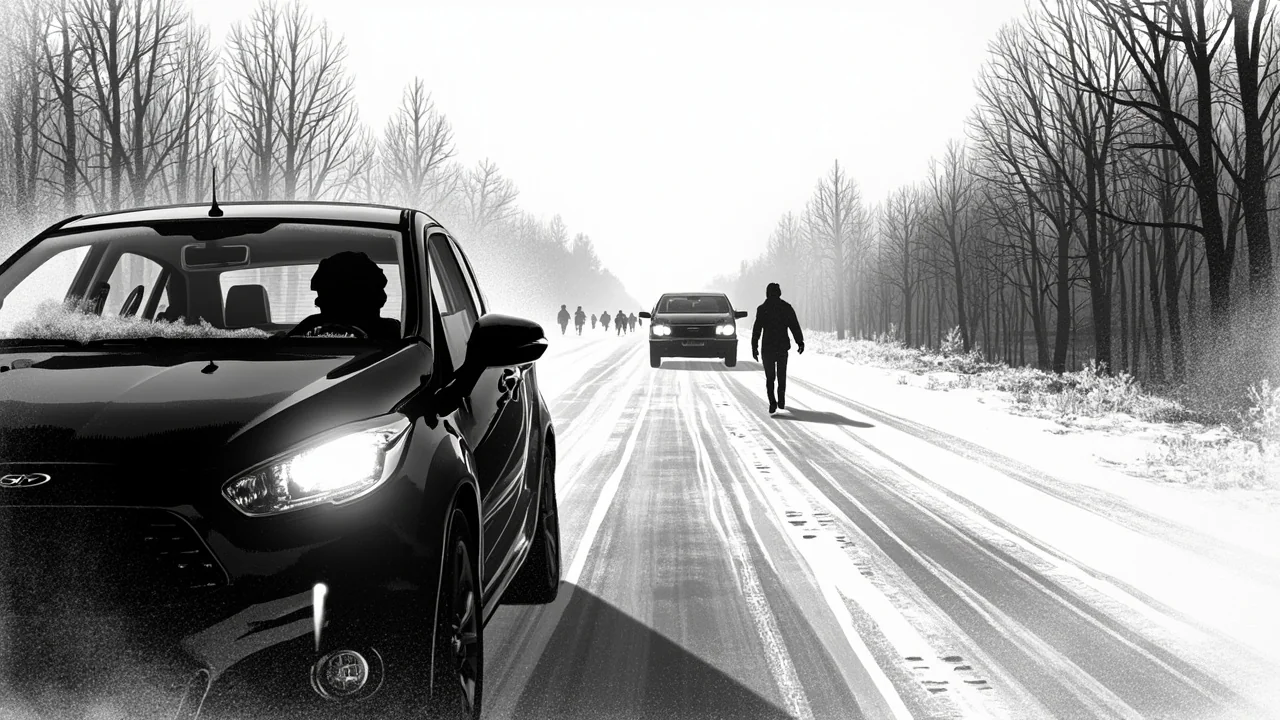
Finland's slippery winter roads caused multiple collisions across the capital region on Saturday, with authorities issuing a fresh warning for motorists. The Finnish Transport Infrastructure Agency confirmed roads in the Uusimaa region were locally slippery, leading to several property damage crashes and run-off-road incidents. A five-car collision occurred in Vantaa, though no serious injuries were reported according to available information.
Helsinki Rescue Department's on-duty fire chief Vesa Paatelma said the city had seen fewer than ten traffic accidents linked to the conditions. The agency's warning highlighted the sudden change in driving conditions, a common challenge during the Finnish winter transitional periods between frost, thaw, and new snowfall.
Hazardous Conditions Across Uusimaa
The warning specifically targeted Uusimaa, the region containing Helsinki, Vantaa, and Espoo, where a significant portion of the nation's daily traffic circulates. While termed "peltikolari" or minor damage crashes, the incidents like the one in Vantaa still cause significant traffic disruptions, emergency service call-outs, and financial costs for those involved. These conditions typically arise from compacted snow melting slightly during the day and refreezing into ice as temperatures drop overnight or from light precipitation falling on frozen road surfaces.
Local police and rescue services routinely brace for increased call volumes during such weather advisories. The Finnish Transport Infrastructure Agency maintains a network of weather stations along highways to monitor conditions, but surface conditions can vary dramatically even within short stretches of road, particularly in urban areas with varying exposure to sun and wind.
Standard Winter Driving Advisories Reiterated
In response to the conditions, authorities reiterated standard winter driving advice. They urged drivers to increase following distances dramatically, reduce speed well below posted limits, and avoid sudden steering or braking maneuvers. Tyre checks are a constant focal point of Finnish seasonal traffic campaigns, with winter tyres being a legal requirement during the winter months. Experts consistently note that even with proper tyres, driver adjustment to the conditions is the most critical safety factor.
Many Finnish drivers, while experienced with winter conditions, can be caught out by the first significant icy period of a season or by localized patches of black ice. The transition from clear, dry asphalt to an unexpectedly slick section is a common cause of loss of vehicle control. Public service announcements often focus on this element of surprise, reminding motorists that conditions can change every kilometer.
Infrastructure Agency's Role in Winter Maintenance
The Finnish Transport Infrastructure Agency is responsible for maintaining the state-owned road network, a colossal task in winter. Their winter maintenance strategy involves plowing, gritting with crushed stone for immediate traction, and salting to prevent ice formation depending on the temperature. The decision to salt is not taken lightly due to its environmental impact and corrosive effects on vehicles and infrastructure. The agency's warning serves as a complementary measure to physical road treatment, aiming to influence driver behavior directly.
Weather forecasts are integral to their operations, allowing teams to pre-treat roads ahead of expected freezing rain or snow. However, the highly variable micro-climates across Finland, especially in coastal regions like Uusimaa, mean reality can diverge from forecasts, leading to unexpectedly rapid icing. The agency's public warnings are a key tool for managing risk when physical measures cannot keep pace with changing conditions.
Long-Term Trends and Driver Preparedness
Statistics from previous years show a predictable spike in traffic incidents during periods of slippery road warnings. While serious accidents were avoided this Saturday, the phenomenon represents a recurring annual cost and safety challenge. Traffic safety organizations like the Finnish Road Safety Council run annual campaigns highlighting that speed appropriate to conditions is not a suggestion but a legal requirement.
The economic impact of these widespread minor collisions is substantial when tallied nationally, considering repair costs, insurance administration, and lost productivity. From a policy perspective, it reinforces ongoing investment in weather-resistant road materials and improved forecasting for maintenance teams. For the average citizen, it serves as a seasonal reminder to equip the vehicle with a winter emergency kit, including a shovel, traction aids, and warm clothing.