
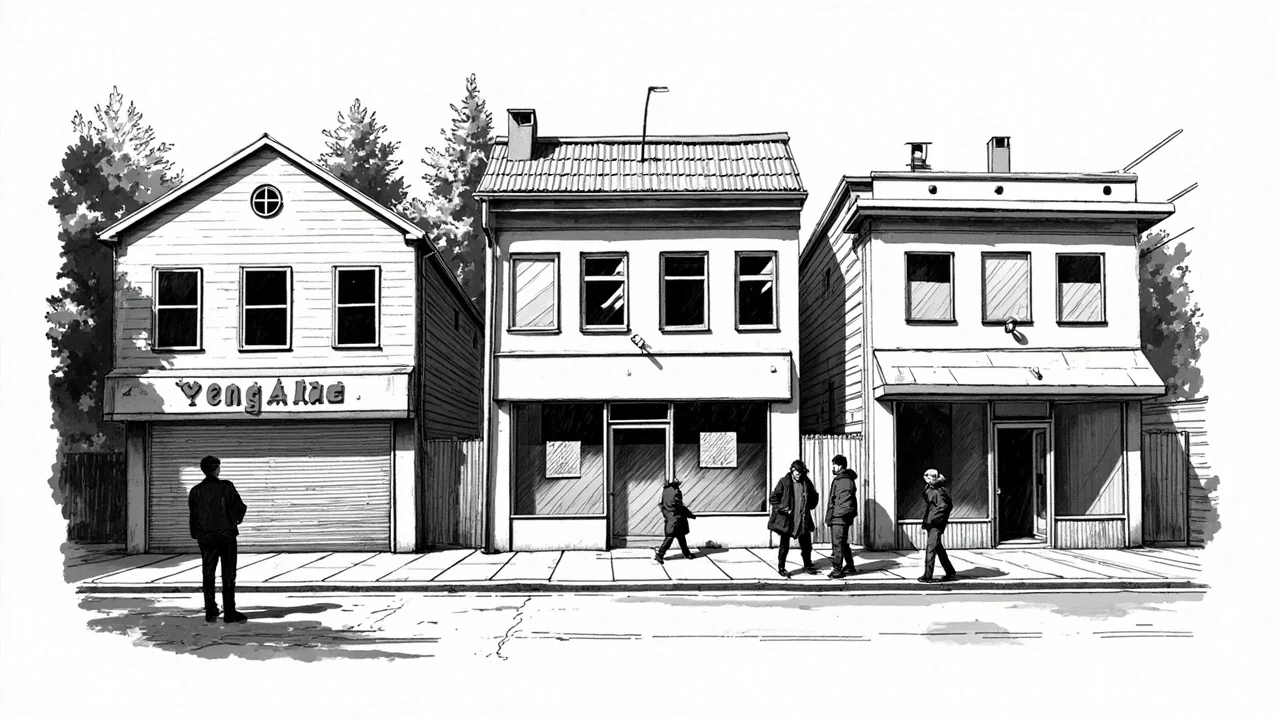
Finland's furniture and home goods retail sector lost three more locations this week as Sotka and Asko stores in Hyvinkää and Riihimäke shuttered their doors. The closures are directly linked to the bankruptcy proceedings of their parent company, the Indoor Group, leaving employees out of work and customers with unanswered questions about warranties and pending orders.
Immediate Impact on Two Cities
On Monday, the Sotka stores in both Hyvinkää and Riihimäen remained closed, with signs likely posted on their doors. The Asko store in Hyvinkää, known for its mid-range kitchen and appliance offerings, also did not open for business. These closures represent a significant reduction in local retail options for larger home items in these cities, which are both key urban centers within the Helsinki capital region. Customers arriving with plans to shop or to inquire about existing purchases found locked entrances instead.
The Collapse of Indoor Group
The simultaneous closure of these three stores stems from the financial failure of the Indoor Group. The company, which operated these franchise locations, has filed for bankruptcy. This legal process typically involves a trustee liquidating company assets to pay creditors, leading directly to the termination of operations and employee contracts. While the Sotka and Asko brands themselves are owned by larger corporations, the individual store operations were dependent on the Indoor Group's financial health. The bankruptcy illustrates the vulnerabilities within Finland's franchised retail model, especially for larger-format stores requiring substantial inventory investment.
A Struggling Retail Landscape
These closures occur against a backdrop of sustained challenges for brick-and-mortar retail across Finland. High operating costs, including rent and labor, combined with shifting consumer habits toward online shopping have pressured physical stores for years. The economic uncertainty and reduced consumer spending power following recent inflationary periods have exacerbated this trend. The fall of a group like Indoor Group points to wider pressures on mid-market home goods retailers, who compete with both budget chains and premium designers.
Government and EU Context
While the Finnish government does not directly intervene in individual corporate bankruptcies, the closures touch on several policy areas monitored by ministries in Helsinki. The Ministry of Economic Affairs and Employment tracks employment impacts and broader sectoral health. Member of Parliament for the Hyvinkää region, Veera Kalliokoski of the National Coalition Party, stated her office was aware of the situation and monitoring its impact on local employment. At the EU level, the European Commission's directives on insolvency proceedings govern the cross-border aspects of such bankruptcies, though Indoor Group's operations appear to have been domestic. The Finnish Competition and Consumer Authority (KKV) may also field consumer complaints related to unfulfilled orders or warranties from the closed stores.
What Comes Next for Employees and Consumers
The immediate concern lies with the employees of the three stores, who are now out of work. They will need to apply for unemployment benefits through Finland's Social Insurance Institution (Kela). For consumers, the situation is murkier. Those with outstanding orders or product warranties may become unsecured creditors in the bankruptcy estate, a process that offers little guarantee of reimbursement or service. The official bankruptcy trustee, once appointed, will provide contact information for creditors to file claims. This process is often lengthy and complex for individual consumers.
The Broader Market Reaction
The disappearance of these specific stores will likely benefit competing retailers in the region, including other Sotka and Asko franchisees operated by different owners, as well as chains like Ikea, Jysk, and Motonet. It may also accelerate the shift toward online sales channels for home furnishings. Industry analysts suggest that retail property owners in secondary city centers may face increased vacancy rates, potentially leading to adjustments in commercial rent prices. This event may prompt other franchise operators to scrutinize their financial resilience more closely.
A Pattern of Structural Change
This is not an isolated incident in Finnish retail. Over the past decade, several well-known chains have restructured, downsized, or disappeared entirely. The closure of these three stores fits a pattern where non-essential, big-ticket retail is particularly susceptible to economic downturns and structural change. The Eduskunta has previously debated measures to support the retail sector, focusing on urban planning and business taxation, but direct bailouts for failing companies are not standard policy. The future of the specific retail spaces in Hyvinkää and Riihimäki remains uncertain, potentially requiring redevelopment for alternative uses.