
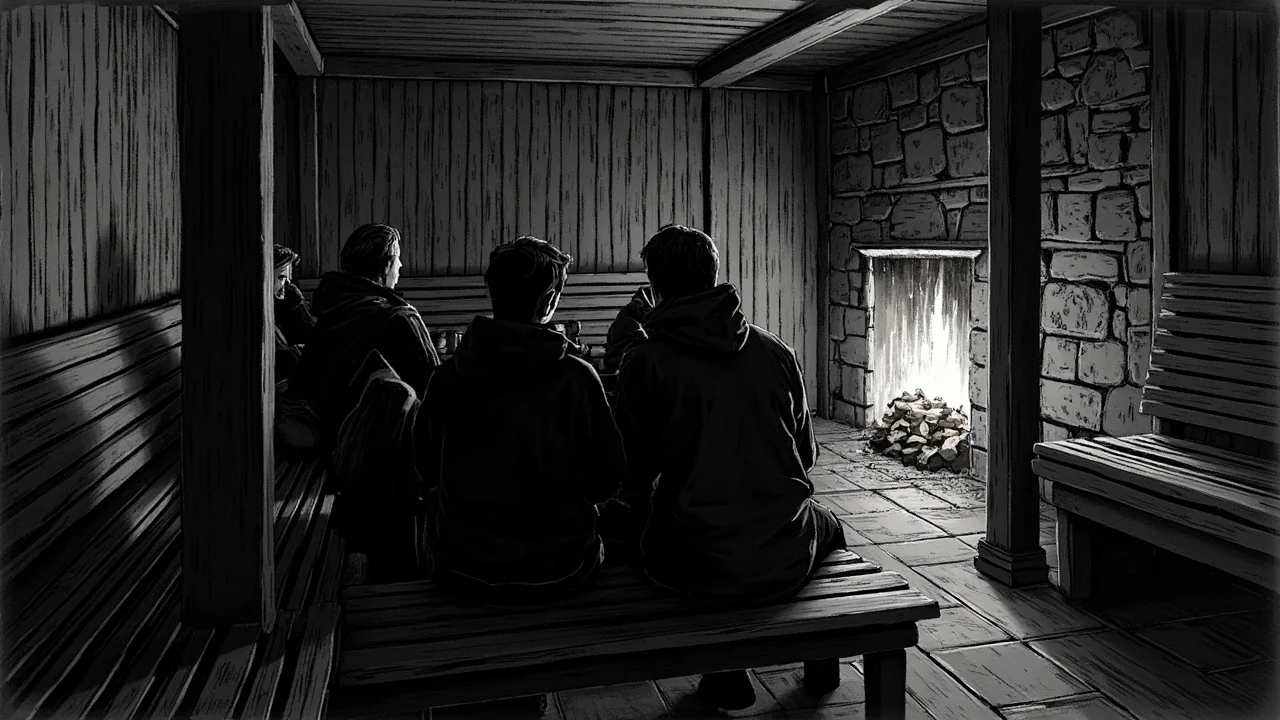
Finnish households are deploying ingenious traditional methods to combat soaring electricity costs, with some citizens cooking on sauna stoves and storing food outdoors in sub-zero temperatures. As spot-market electricity prices remain stubbornly high, the financial pressure has triggered a wave of personal adaptation, reviving old practices in a modern energy crisis. This is not a government directive but a grassroots movement of necessity, showcasing how individuals are taking consumption control into their own hands.
Personal Stories of Adaptation
Marianne Ahvenainen from Hollola starts her day by brewing a large pot of coffee, taking a cup or two, and then turning the machine off. She reheats the rest later. 'You can warm it up again in a pot on top of the sauna stove,' Ahvenainen says. Her wood-fired sauna has become a multi-purpose utility: reheating pre-made fish soup, warming washing water, and even serving as a shower. 'We heat three pots of water at once and wash with a camping shower. I got it for washing the dogs' paws, but it works for the owner too,' she explains. She has also paused certain chores, finding an unexpected silver lining. 'I haven't vacuumed or done laundry. It's been wonderful! You can do all this in the spring, too.'
In Juupajoki, Seija Järvensalo has taken a more outdoor approach. She emptied her home freezer, packed the contents into large Styrofoam boxes, and placed them outside in the cold. Indoors, she lowers the thermostat, wears wool socks all day, and even dons a hat for extra warmth. She manipulates her curtains strategically, opening them to let sunshine heat the home during the day and closing them tightly at night to keep the cold out. 'I didn't need to think about electricity consumption before when the price was reasonable. Now I have to come up with tricks, as I'm retired and we have spot-price electricity,' Järvensalo states.
Embracing Off-Grid Cooking
Both women have largely abandoned their electric kitchen appliances. Ahvenainen cooks everything from cabbage casserole to blueberry quark pie in a wood-fired oven instead of her regular one. Järvensalo uses the embers of her fireplace to simmer stews or fry sausages, avoiding her electric stove. From Imatra, Suvi Pöllänen adopts a time-shifting strategy, preparing meals in advance during cheaper electricity hours and using public saunas maintained by winter swimmers to avoid heating her own.
These stories highlight a shift from convenience to conscious consumption. The automatic use of coffee makers, ovens, and washing machines is being scrutinized and replaced by manual, often more time-intensive methods. The common thread is the use of wood—a traditional, locally-sourced fuel—for heating and cooking, reducing reliance on the volatile electricity grid. This return to older habits is a direct response to the economic signals from the energy market.
The Driving Force: Spot Price Volatility
The need for these everyday saving tips is acute because pörssisähkö, or spot-price electricity, is currently very expensive. This market-based pricing means consumers pay an hourly rate tied to the Nordic power exchange, exposing them directly to price spikes caused by factors like cold weather, low wind power production, or constraints on electricity imports. For households on such contracts, which became popular for their previously low rates, the current market has brought significant budgetary uncertainty. The financial incentive to shift consumption to cheaper hours or avoid it altogether has never been stronger.
This phenomenon is more than a series of quirky anecdotes, it is a visible microeconomic adjustment. Households are acting as their own demand-response units, flattening consumption peaks and seeking alternatives. This collective behavior, if widespread, can have a stabilizing effect on the national grid and overall market prices. It demonstrates a high degree of price elasticity among consumers who have the means and knowledge to adapt—namely, access to a secondary heat source like a fireplace or sauna.
A Reflection of Finnish Resourcefulness
The methods employed—sauna stoves, fireplaces, outdoor cold storage—are deeply rooted in Finnish self-sufficiency. They point to a cultural knowledge base that persists, ready to be reactivated when needed. In a nation with a challenging climate, the ability to manage heat and cold is a fundamental skill. The current energy crisis has transformed this skill from a cultural tradition into a crucial financial tool. It also creates a tangible divide: those with a fireplace or wood-burning sauna have a significant advantage in mitigating costs over those living in modern apartments reliant solely on electric heating.
The situation raises broader questions about energy resilience and the social equity of the transition. While these adaptive measures are effective for some, they are not a universal solution. The government continues to work on longer-term solutions, including new nuclear power and accelerating renewable deployments, but for now, individual action fills the gap. The experiences of Ahvenainen, Järvensalo, and Pöllänen show that the response to a national energy challenge is being played out in the most personal of spaces: the kitchen, the laundry room, and the sauna. As winter persists, this ingenuity will continue to be tested, shaping consumption patterns long after the immediate price crisis potentially fades.