
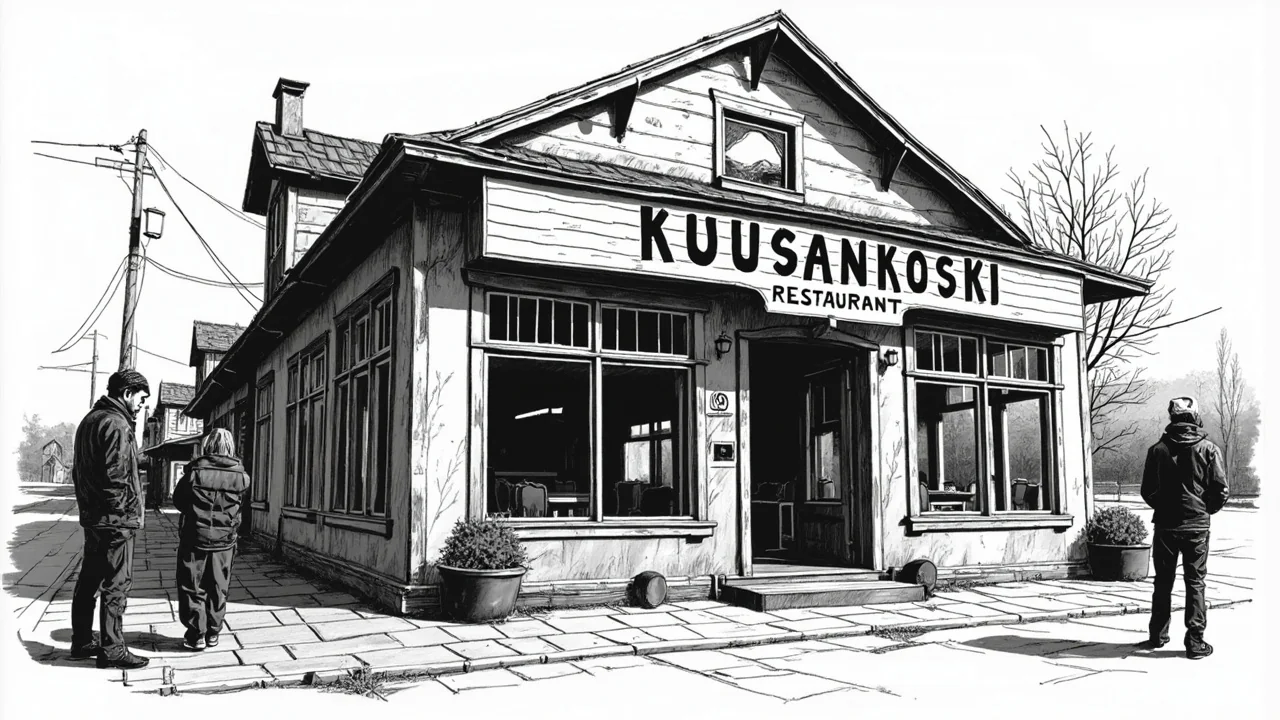
Finland's small business sector lost another independent restaurant in December when Pizzeria Toros in the Kuusaantori shopping centre shut its doors for good. The closure, confirmed in a Facebook post by the restaurant, was attributed directly to unsustainable rental costs, a growing pressure point for entrepreneurs across the country. Owner Huseyin Gultekin told local media that while he hopes to reopen in a new location, no suitable premises have yet been found, and the company behind the restaurant was declared bankrupt in January.
The Final Post and a Hopeful Note
In its December social media announcement, Pizzeria Toros stated that operations had to be discontinued at its current location because rental costs had become too high. The message struck a bittersweet tone, common in such community-focused closures. 'However, we are excited about the possibility of continuing operations in a new location in the future,' the restaurant wrote. This hope, however, is currently unfulfilled. Gultekin's search for a new space continues, but the bankruptcy of the background company underscores the severe financial strain that led to the closure. The property manager, MyBase Finland Oy, reported that no new business has taken over the vacant restaurant unit, leaving a empty space in the Kuusaantori mall.
A Wider Pattern of Pressure
The story of Pizzeria Toros is not an isolated incident but reflects a broader challenge within the Finnish retail and hospitality landscape. While specific national statistics on restaurant closures due to rent were not available in the source material, the narrative aligns with consistent reports from entrepreneur associations. They highlight rising operational costs, including energy, ingredients, and commercial leases, as critical threats to viability, especially for businesses outside major urban centres. For a pizzeria in Kuusankoski, a district within the city of Kouvola, customer footfall and spending power are finite, making sharp increases in fixed costs like rent impossible to absorb. The closure represents more than a business failure, it signifies the erosion of local meeting points and reduced choice for consumers, fundamentally altering the fabric of a neighbourhood centre.
The Human Cost of a Shuttered Dream
Behind the factual statement of bankruptcy and closure is a personal entrepreneurial journey that has hit a major obstacle. Huseyin Gultekin invested time, capital, and likely personal passion into building Pizzeria Toros. The search for a new location indicates a resilience and desire to rebuild, but the path is fraught with difficulty. Finding a new premises that balances affordability, location, and size is a significant hurdle, particularly after the financial and reputational hit of a bankruptcy. The employee or employees who worked at the restaurant have also lost their jobs, contributing to local unemployment. This human impact, from owner to staff to regular customers, is the tangible consequence of the dry economic term 'unsustainable rental costs.' The community loses a familiar service, and the local economy loses a circulating node of activity.
The Landlord's Perspective and Vacant Spaces
The situation also presents a challenge from the property management side. MyBase Finland Oy, responsible for the Kuusaantori mall's rentals, now has a vacant unit that generates no income. High rent expectations that may have contributed to a tenant's departure can backfire if the space remains empty for an extended period. This creates a standoff in the commercial rental market: property owners face their own rising costs and seek to maximise returns, while tenants operate in a competitive consumer market with tight margins. The empty unit at Kuusaantori is a physical manifestation of this disconnect. It raises questions about the long-term sustainability of rental models in regional shopping centres, where foot traffic may not support premium leasing rates demanded by property investors.
Looking Beyond Kuusankoski
The closure of Pizzeria Toros serves as a microcosm of a national conversation about the conditions for small and medium-sized enterprises in Finland. Debates in the Eduskunta often touch on entrepreneurship, tax structures, and energy costs, but the issue of commercial leases is primarily governed by market forces. There is no direct government mechanism to control private rental agreements, placing the burden of negotiation squarely on the individual business owner. This case illustrates how those negotiations can fail, with the smaller party bearing the ultimate cost. As inflation continues to affect input costs, the pressure on businesses like restaurants, cafes, and independent retailers remains acute. Each closure follows a similar pattern: a heartfelt announcement, a cited reason like rents or costs, and a hope for a future that often does not materialise.
What Comes Next for the Location?
The immediate future for the former Pizzeria Toros space is uncertainty. MyBase Finland Oy will seek a new tenant, but the reasons that led to the previous closure—potentially high rent and the economic profile of the area—will still be factors for any prospective new restaurant or shop. The cycle may repeat unless a new business model or a revised rental agreement can be found. For the community of Kuusankoski, the outcome is a net loss of a local amenity. For aspiring entrepreneurs watching this story unfold, it serves as a stark case study in the primary risks of the hospitality sector. The dream of running a neighbourhood restaurant is increasingly balanced against the hard mathematics of lease agreements and profit margins, a calculation that, for now in Kuusaantori, did not add up.