
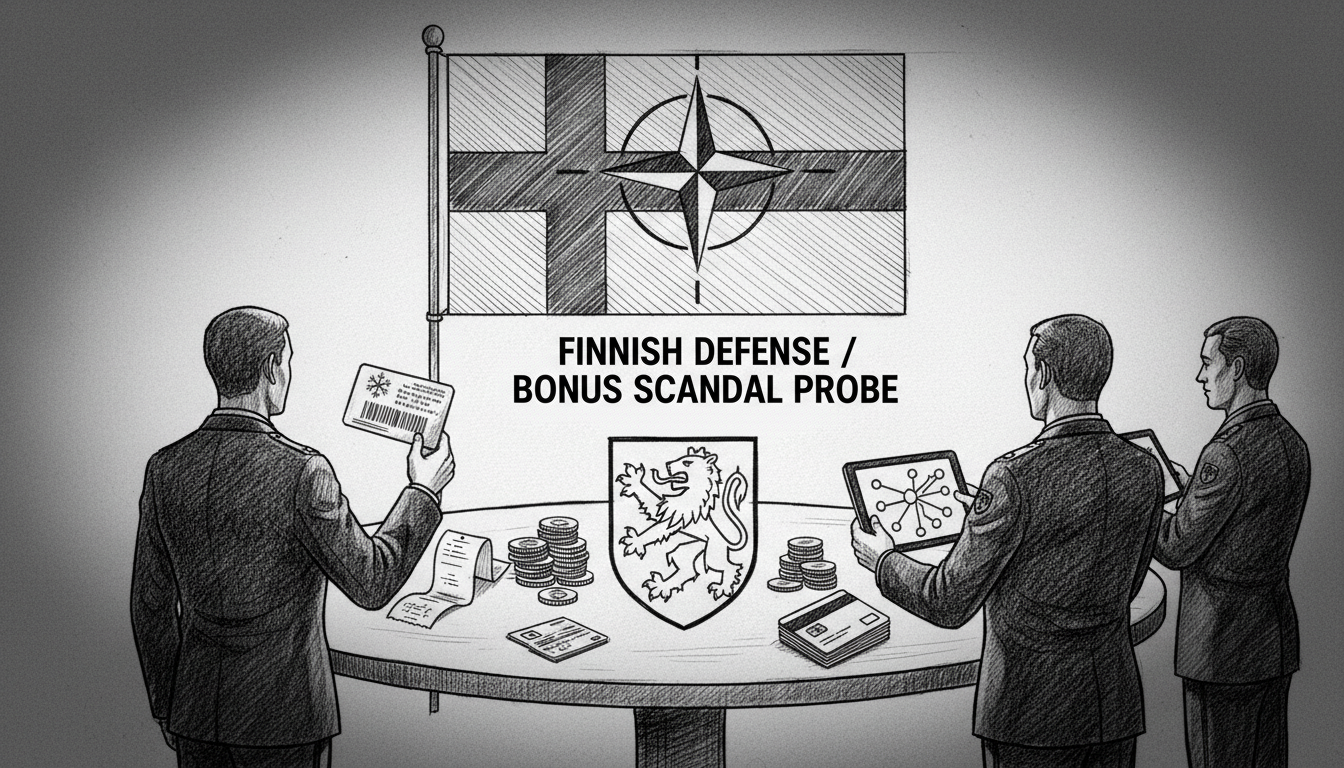
The Finnish Defense Forces have launched an internal investigation into potential misuse of personal bonus cards by its personnel. The probe centers on whether staff members have improperly collected personal loyalty points or cashback rewards from purchases made for the military institution. Defense Command officials confirmed the inquiry is ongoing but noted such incidents appear rare and typically involve small monetary values. The exact number of suspected cases remains unclear as the review continues across all branches of the armed forces.
Defense Command stated the investigation aims to ensure lawful and equal handling of any potential violations throughout the entire defense organization. The review also seeks to determine what corrective measures might be necessary. Current Defense Forces regulations explicitly prohibit personnel from collecting personal benefits from purchases related to their official duties. This rule is a standard part of Finland's strict public sector ethics framework designed to prevent conflicts of interest and maintain procurement integrity.
This investigation touches on core principles of Finnish public administration, where transparency and accountability in public spending are paramount. Finland consistently ranks among the world's least corrupt countries, and its defense establishment has historically maintained a strong reputation for procedural compliance. The probe comes during a period of heightened scrutiny on defense spending as Finland increases military investments following its NATO accession. Every euro in the defense budget now faces increased parliamentary and public examination.
The Finnish system for public procurement operates under both national legislation and European Union directives on public contracts. Any systematic misuse of purchasing systems could potentially violate EU competition rules and domestic laws governing public tenders. For international observers, this case illustrates Finland's proactive approach to self-regulation, where even minor potential infractions trigger formal reviews. The Defense Forces' prompt internal investigation demonstrates institutional integrity mechanisms functioning as intended, though the final findings will determine the actual severity of any misconduct.
Similar ethics investigations have occurred in other Nordic defense departments over the years, typically resulting in clarified guidelines rather than major scandals. The practical outcome will likely involve updated training and reinforced compliance checks rather than widespread disciplinary action. This reflects the Nordic model where systemic prevention takes priority over punitive measures for isolated incidents. The investigation's results will be particularly significant as Finland continues integrating with NATO procurement systems and standards.
What remains unclear is whether any patterns of misuse exist or if these are isolated individual cases. The Defense Command's characterization of the incidents as 'rare and minor' suggests limited scope, but the formal investigation indicates sufficient concern to warrant comprehensive review. For personnel within the system, this serves as a clear reminder that even small personal benefits from official purchases violate both regulations and the public trust essential to Finland's defense institutions.