
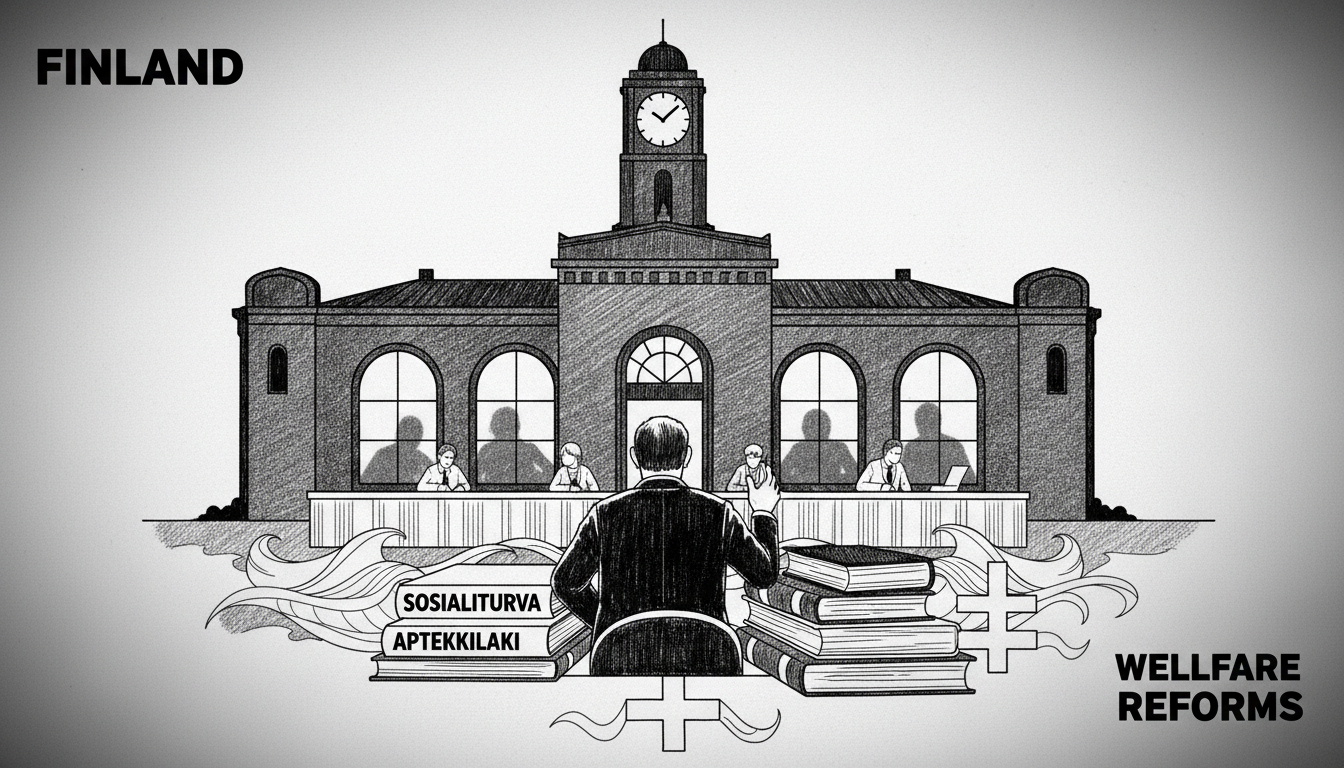
A key Finnish parliamentary committee is working through the weekend to advance major social and healthcare legislation. The Social Affairs and Health Committee of the Eduskunta, Finland's parliament, held meetings on Saturday and scheduled further sessions for Sunday and potentially Monday. The intensive schedule aims to finalize pending proposals before the legislative timeline expires. Committee Vice-Chair Mia Laiho of the National Coalition Party confirmed the extended work period during a break in Saturday's morning session. She stated the committee would reconvene after the plenary session in the afternoon and continue its deliberations on Sunday. This push highlights the political weight of the reforms under discussion in the Helsinki government district.
The committee's agenda centers on two critical pieces of legislation. The first is a comprehensive reform of the Social Assistance Act, Finland's last-resort social security benefit. Laiho reported that discussions on this bill have progressed to the stage where the committee report can begin to be drafted. This report will be processed on Sunday. The second major item is the long-debated pharmacy law reform, which aims to liberalize Finland's pharmacy ownership rules. The continuation of its review remains open, indicating ongoing negotiations among the coalition parties. These reforms are central to the government's platform and have faced scrutiny over their impact on low-income households and the healthcare market.
Laiho acknowledged the strain on committee members, noting they are undoubtedly tired from the marathon sessions. She emphasized the work is being done at a brisk pace to move issues forward. The weekend work underscores the legislative crunch period, a common feature in the Eduskunta as sessions progress. Passing these reforms is a key test for the current coalition government, which holds a majority. The Social Assistance reform, in particular, is watched closely by municipalities and social welfare organizations across Finland, as it dictates the core safety net for the most vulnerable citizens.
The drive to pass these bills also connects to broader European Union contexts. EU directives on social rights and single market rules for services indirectly influence national debates on welfare and pharmacy ownership. Finnish policy must navigate between domestic political goals and European frameworks. Historically, social benefit reforms in Finland have been contentious, often requiring cross-party compromise. The current government's approach marks a significant policy shift, aiming to create incentives for employment while ensuring a basic level of support. The outcome of this weekend's committee work will set the stage for the final parliamentary votes, determining the shape of Finland's social safety net for years to come. For international observers, this process offers a clear view of Finnish consensus-building, where detailed committee work often matters more than dramatic floor debates.