
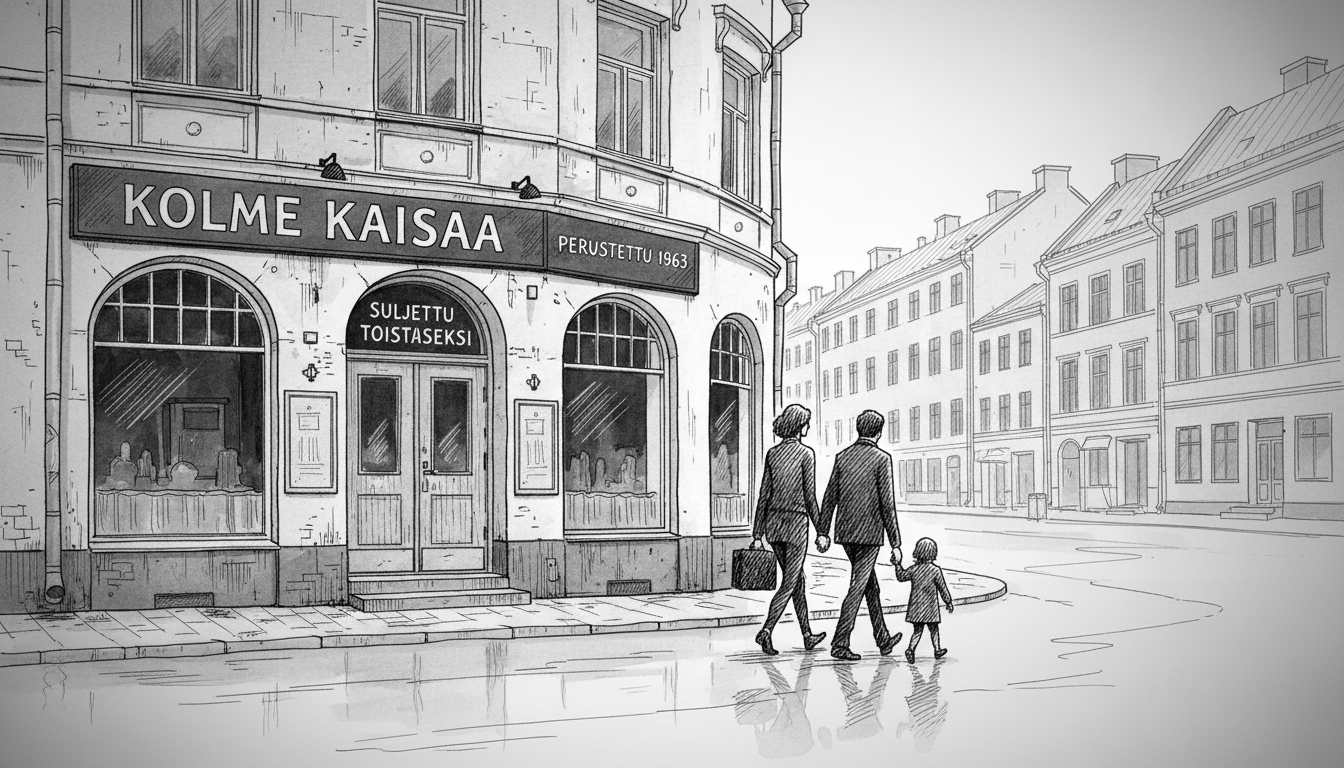
Helsinki's iconic Kolme Kaisaa restaurant has served its final meals after operating continuously for over sixty years in the city's Kamppi district. The establishment's temporary lease agreement concluded without successful negotiations for renewal according to restaurant manager Tiina Hintikka. She confirmed the closure would take effect by mid-December, ending a chapter in Helsinki's culinary history that began in 1964. The restaurant occupied its prominent location near the Kamppi shopping center during periods of significant urban transformation throughout the Finnish capital's development.
Kolme Kaisaa represented a distinctive category of traditional Helsinki restaurants that maintained consistent service through multiple economic cycles and changing consumer preferences. These establishments function as cultural landmarks beyond their commercial purposes, preserving architectural elements and service traditions that newer venues often overlook. The closure reflects broader patterns affecting older restaurants in prime urban locations where property values and rental demands continue escalating substantially.
Finland's restaurant industry faces particular challenges with commercial lease structures that frequently disadvantage long-term operators. Temporary lease agreements provide limited security for businesses that have invested significantly in location-specific goodwill and customer relationships. Many restaurant owners report increasing difficulties negotiating favorable terms as property owners seek maximum returns in Helsinki's competitive real estate market. This economic reality disproportionately affects establishments with historical significance but modest profit margins.
Urban development throughout Helsinki has transformed the Kamppi area dramatically since Kolme Kaisaa first opened its doors. The neighborhood evolved from a transportation hub with bus stations into a sophisticated mixed-use district featuring high-end shopping, luxury residences, and corporate offices. These changes altered the customer base and commercial dynamics that sustained traditional restaurants for generations. The closure demonstrates how urban renewal, while creating economic opportunities, sometimes displaces cultural institutions that contributed to neighborhood character.
The disappearance of long-standing restaurants impacts Helsinki's cultural landscape beyond the immediate economic consequences. These establishments typically preserve interior designs, traditional recipes, and service customs that represent important aspects of Finnish social history. Their gradual replacement with international chains and contemporary concepts creates homogeneity in urban dining options. The situation raises questions about preserving culinary heritage while accommodating urban development and market realities.
Similar closures have occurred throughout Helsinki in recent years, suggesting a pattern rather than an isolated incident. Restaurant industry representatives have called for more balanced approaches to commercial leasing that recognize the cultural value of longstanding establishments. Some European cities have implemented protections for historic restaurants and cafes, though Finland has yet to develop comprehensive policies addressing this specific concern. The Kolme Kaisaa closure may stimulate broader discussion about preserving Helsinki's culinary heritage amid rapid urban development.
International visitors and local residents alike increasingly value authentic dining experiences connected to local history and traditions. The disappearance of establishments like Kolme Kaisaa reduces the diversity of Helsinki's hospitality offerings, potentially affecting tourism appeal. Cities that successfully preserve their historic restaurants often benefit from enhanced cultural tourism and distinctive urban character. Helsinki faces ongoing tension between modernization pressures and preservation of establishments that contribute to the city's unique identity.
The closure leaves regular patrons seeking alternative venues while removing a familiar landmark from Helsinki's urban fabric. The restaurant's staff must secure new employment in a competitive industry still recovering from pandemic-related disruptions. Property owners will likely seek new tenants capable of meeting higher rental expectations, potentially altering the commercial character of the location. The transition represents another step in Helsinki's continuous evolution as it balances economic development with cultural preservation.