
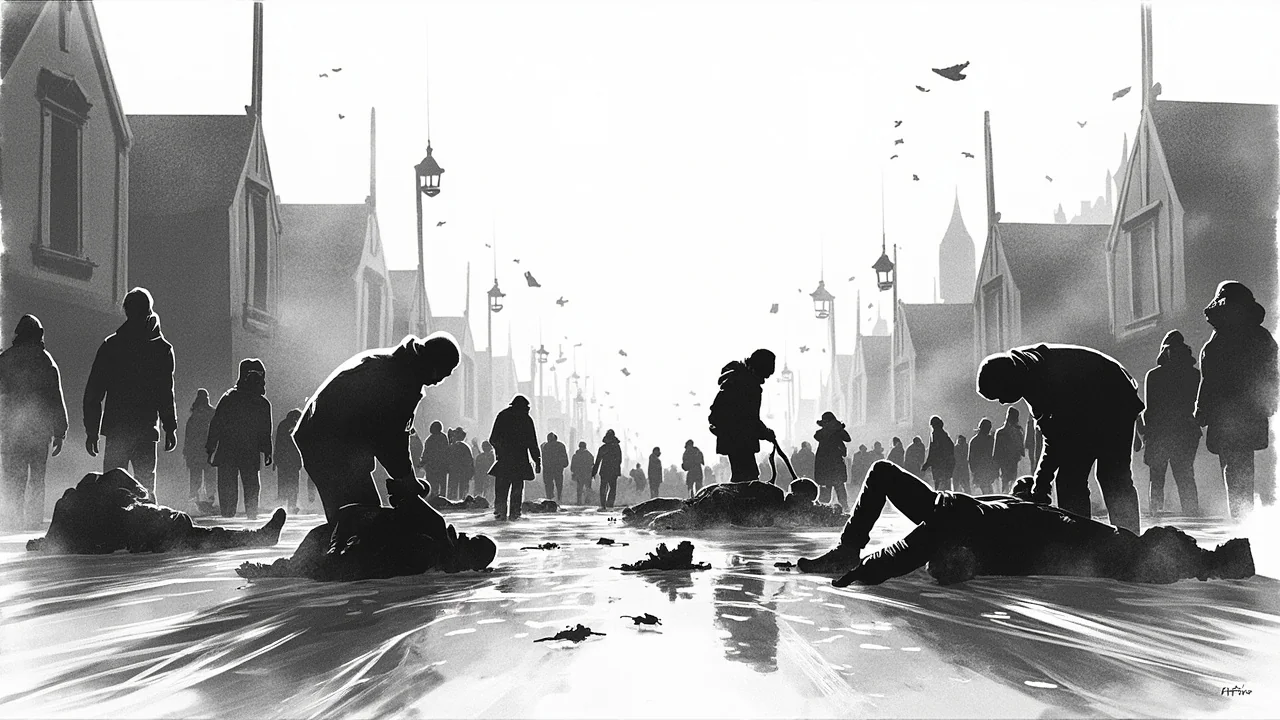
Iceland's National Hospital emergency room recorded its busiest day in memory after black ice created treacherous conditions across the capital region. Eighty people sought treatment for fall-related injuries by Tuesday evening, a dramatic surge from just 30 cases reported at noon.
Hazardous black ice formed across southern and western Iceland Tuesday morning, affecting drivers, cyclists, and pedestrians. The slick conditions led to numerous traffic hazards and accidents. Medical staff at the National University Hospital's emergency department in Reykjavik described a relentless influx of patients throughout the day.
A Relentless Stream of Patients
Aaron, a staff member at the emergency room, described the scene. “There were many waiting for us at the start of the shift this morning. Twelve people were waiting for us, and there has been a constant stream into the emergency room since then,” he said. The department's resources were stretched thin as medical teams worked to manage the surge.
“This has taken a toll on the people who have come to us. All kinds of lacerations. There are injuries to wrists and ankles, head injuries, and more,” Aaron explained, outlining the common but serious nature of the injuries caused by slips on the invisible ice.
An Unprecedented Emergency Room Load
The scale of the event shocked experienced personnel. When asked if he had seen a day like it before, Aaron was clear. “No, I was just talking to a colleague of mine who has worked here for several years, and he does not remember a day like this.” This testimony underscores the exceptional burden placed on Reykjavik's primary healthcare emergency services, highlighting a system under acute, weather-induced stress.
Black ice, or flughálka, is a recurring and dangerous winter phenomenon in Iceland. It forms when precipitation, like drizzle or mist, freezes instantly upon contact with a cold road surface, creating a nearly transparent layer of ice. This makes it extremely difficult for pedestrians and drivers to detect, leading to sudden loss of traction.
Infrastructure and Response Under Scrutiny
The crisis puts a spotlight on municipal response protocols in Reykjavik and neighboring municipalities. The speed and coverage of gritting and salting operations for roads and pavements are critical in preventing such mass casualty events. District councils in areas like Hafnarfjörður, Kópavogur, and central Reykjavik will likely face questions about their readiness and response times as residents assess the safety of their daily commutes.
While Iceland is renowned for its geothermal heating, its public infrastructure faces constant battle with winter elements. This incident transcends a simple weather report, it is a public safety event with direct consequences for hospital capacity, municipal budgeting for winter services, and individual vulnerability during the Nordic winter months.
The Human Cost of a Slippery Day
Beyond the statistics, the day represented significant personal pain and disruption. Each of the 80 injured individuals faced broken bones, lacerations, concussions, and sprains. These injuries mean missed work, canceled plans, and lengthy recovery periods, not to mention the fear and trauma of a sudden, violent fall. For the elderly, such falls can be life-altering, increasing the long-term stakes of effective ice management in urban centers.
The event also underscores the interconnectedness of public safety systems. A single weather event can rapidly overwhelm a key component of the healthcare system, diverting resources from other critical emergencies and straining medical staff. It serves as a real-time stress test for emergency preparedness in Iceland's most populous region.
A Nordic Winter Reality Check
Iceland is not alone in facing these challenges, black ice is a common hazard across Scandinavia and the wider Nordic region. However, the severity of this single-day event in Reykjavik prompts a comparative look at best practices in other northern cities, from Oslo to Helsinki, regarding pavement heating, abrasive material use, and public warning systems. Is there room for improved technology or coordination in Iceland's approach?
As climate patterns shift, winter weather in the North Atlantic can become more volatile, with rapid temperature fluctuations around the freezing point increasing the risk of ice formation. This makes adaptive urban planning and resilient infrastructure even more crucial for Icelandic towns.