
Iceland's capital region housing market has 51% of homes for sale as new builds. This marks the first time in eight years this proportion has exceeded fifty percent. The data comes from a monthly report by HMS tracking nationwide housing supply. In early January, 5,105 homes were for sale across Iceland with 2,234 of them new constructions. The capital area's new build share starkly contrasts with regions outside it. Outside the capital, only about seventeen percent of homes for sale are new builds. This disparity highlights concentrated construction activity around Reykjavik. The report attributes the high new build percentage to recent housing boom years. Simultaneously, sales of new constructions have slowed significantly. New homes now linger longer on the market while older properties sell faster. This dynamic is reshaping Iceland's real estate landscape with potential ripple effects.
Capital Region Dominates New Construction
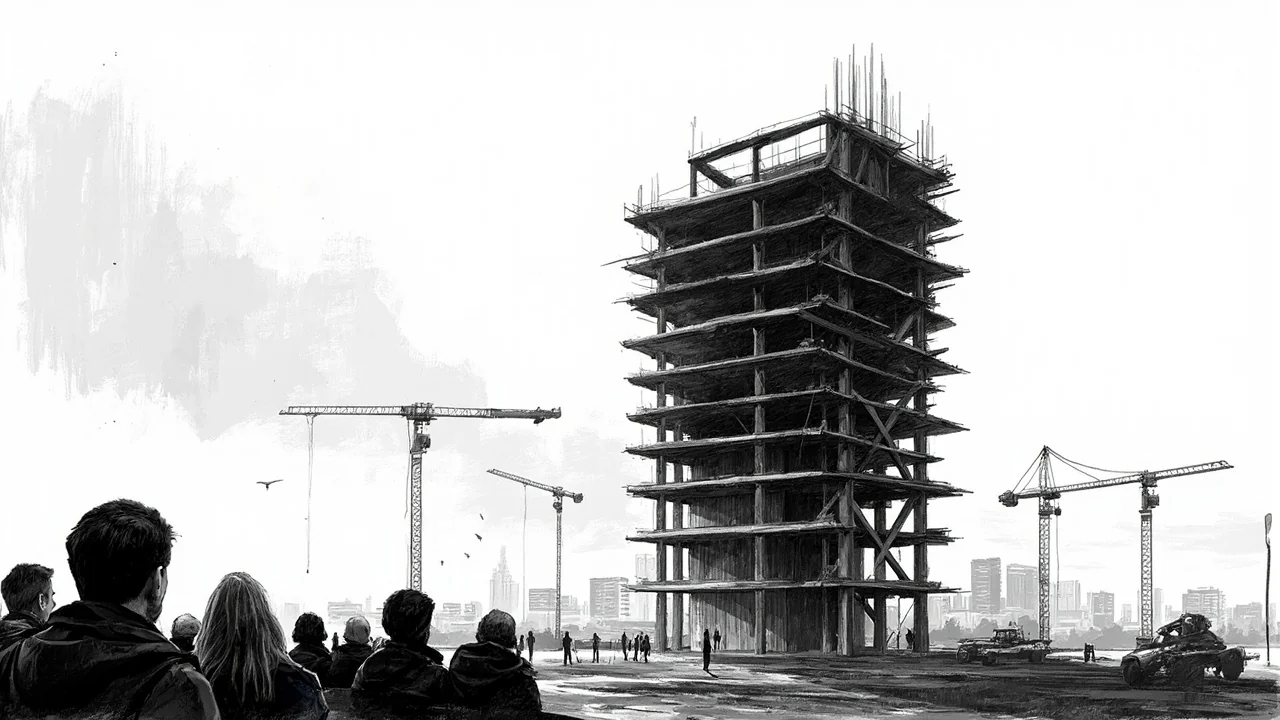
Reykjavik and its suburbs account for most new build inventory accumulation. The 51% figure for the capital area is a milestone not seen since 2016. It reflects aggressive development policies and investor activity in recent years. Construction cranes have dotted the skylines of districts like Kópavogur and Garðabær. This building surge aimed to address Iceland's chronic housing shortage. Yet the slowdown in sales suggests demand may not match the new supply. The report notes new builds are staying on the market longer. They accumulate while existing homes cycle through sales more quickly. This trend could pressure developers and financiers as inventory costs rise.
Inventory Times Reach Record Lengths
Inventory time, the months needed to sell current supply, has never been higher. The longest wait times are in specific new development zones. Álftanes, a peninsula municipality, shows the most extended sales period. The Völlur area in Hafnarfjörður also faces significant inventory buildup. These areas represent suburban expansion with many recently completed units. Extended inventory times strain developers relying on sales for cash flow. They also indicate potential buyer reluctance or affordability issues. The data does not specify exact monthly figures for these delays. However, the trend points to a cooling segment within a generally tight market.
Environmental Costs of Construction Boom
Iceland's new build surge carries environmental implications often overlooked. Much of this construction uses geothermal district heating, a low-carbon source. Yet the land use change and resource consumption pose sustainability questions. Rapid development on Reykjavik's outskirts impacts natural landscapes and soil stability. The concrete and steel required have substantial embedded carbon footprints. Transportation emissions rise with suburban sprawl away from city centers. These factors intersect with Iceland's climate commitments under Nordic cooperation agreements. The Althing has debated greener building codes but implementation lags. This housing data may reignite discussions on sustainable urban growth.
Political Repercussions in the Althing
Housing affordability remains a fiery topic in Iceland's parliament. The high new build percentage with slow sales will draw political scrutiny. Opposition members likely will question government housing and tax policies. They may argue incentives fueled overconstruction in certain price segments. The data could prompt calls for adjusted first-time buyer support programs. Some Althing members advocate for more rental construction versus for-sale units. Others stress the need for infrastructure to match new housing zones. This report provides ammunition for debates on market intervention. The government must balance construction jobs with long-term market stability.
Nordic Housing Market Comparisons
Iceland's situation offers insights for Nordic neighbors facing similar pressures. Sweden and Norway also grapple with housing affordability and new construction. However, their new build percentages in sales inventories often differ. Nordic cooperation forums sometimes share data on sustainable urban development. Iceland's reliance on geothermal heating presents a unique case study. The current inventory buildup may signal a need for policy coordination. It highlights risks of supply-demand mismatches in small, volatile markets. Other Nordic capitals watch Reykjavik's experience for lessons on growth management.
Regional Disparities in Housing Supply
A clear divide exists between the capital region and the rest of Iceland. The 17% new build share outside Reykjavik reflects lower construction activity. Towns in the Westfjords or East Iceland have fewer new developments. This gap may exacerbate internal migration trends toward the capital. It also affects local economies and services in outlying regions. The national total of 5,105 homes for sale includes this uneven distribution. Policymakers must consider regional balance in housing strategies. The concentration risks overloading Reykjavik's infrastructure while other areas stagnate.
Future Outlook for Iceland's Market
The accumulation of new builds could eventually ease price pressures. Yet the immediate effect is extended sales periods and developer anxiety. If sales do not pick up, construction starts may decline sharply. This would impact employment in the building sector and related industries. The data suggests a market correction phase may be underway. Buyers might gain more negotiation power, particularly for new units. The environmental and political angles will continue to shape responses. Iceland's housing story remains a key indicator of its economic and social health. Will this new build surplus lead to a more balanced market or deeper imbalances?