
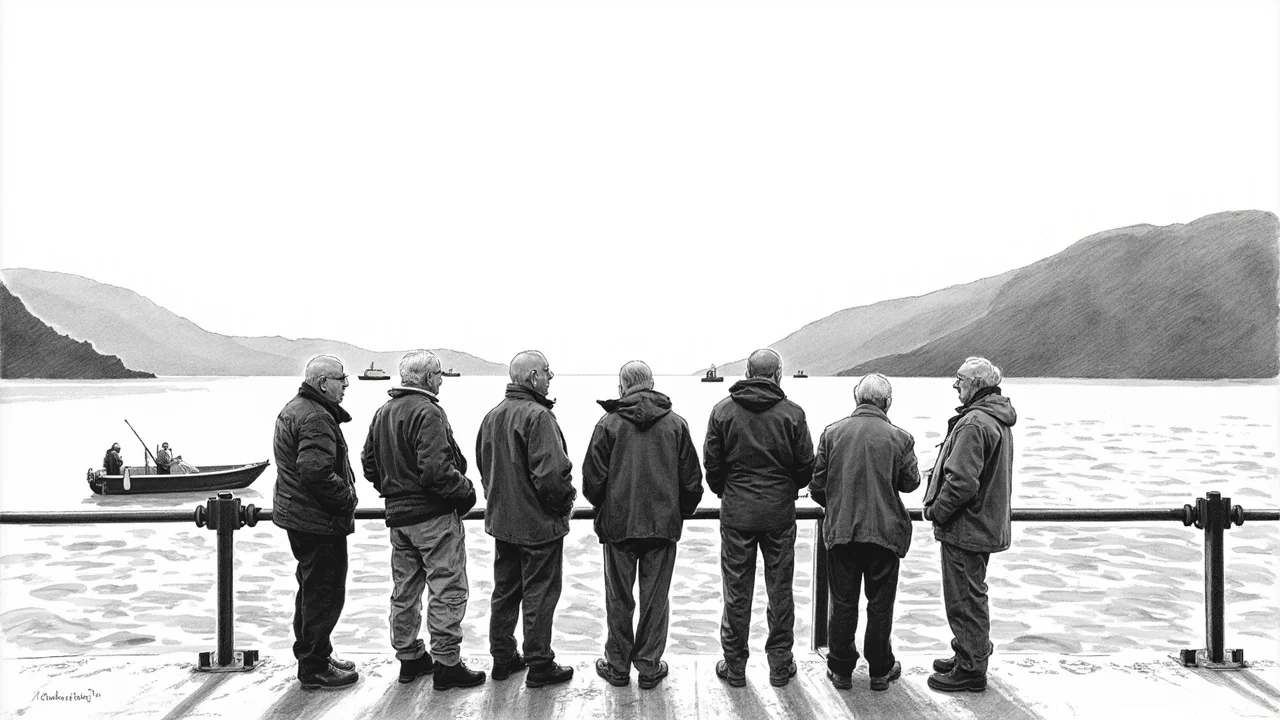
Norway recorded half as many boating fatalities in 2025 compared to previous years. That's the headline figure. But a deeper look at the data reveals a stubborn problem: men over 66, particularly on calm, sunny days.
It’s twelve degrees below freezing when we meet volunteer rescuer Kalle Devik. He's aboard the rescue cruiser Wilhelm Wilhelmsen in Horten. He spent over 330 volunteer hours here last year. The icy dock is a world away from the sunny Oslofjord in the summer of 2025. That contrast is key to understanding the safety paradox now facing authorities.
“The summer of 2025 was very fine, and we saw a decline in the number of missions,” Devik says. He won a rescue award for his actions during a fatal accident on Midsummer's Eve in 2024. Since that last fatal incident in their area, most call-outs have been for boats running out of fuel or grounding on skerries. It suggests boaters might be learning from past tragedies. But not all of them.
The Calm Weather Trap
Picture a sunny day on a still fjord. Bare chests, sunglasses, the smell of sea, sunscreen, and shrimp. That's precisely when it's most dangerous. It's not the storm that kills. It's the false sense of security on a bright, calm day. The Royal Norwegian Boating Association (KNBF) notes most fatal accidents happen under calm wind conditions. In actual storms, incidents are rare.
“The younger boaters appear exemplary, while older boat operators unfortunately fail when it comes to safety considerations at sea,” says Stig Hvide Smith, Secretary General of KNBF. Their data shows 16 fatalities at sea in 2025. The Maritime Directorate puts the number at 17. The average age of the deceased was 66. Few were under 40.
A Targeted Campaign
Massive attitude campaigns ran throughout last year. Both the Boating Association and the Norwegian Society for Sea Rescue think they’ve had an effect. Smith hopes the messaging can influence behavior. Devik, on the front lines, sees signs it's working. “We are met with many questions and comments about the attitude campaigns when we are out on watch,” he says. “It indicates that it hits home, and it hits the right way.”
The campaigns focused broadly on safety. Wear life jackets. Don't drink and boat. Check the weather. But the data is forcing a strategic pivot. The message might be landing, but not with the highest-risk group.
Shifting the Focus
Smith is clear about the next step. The broad awareness work must now narrow. “We must now change focus in relation to target groups,” he states. “It is older men who have accidents, and focus must now be directed to get these to take responsibility.” The challenge is reaching a demographic that may have decades of boating experience. That very experience can breed overconfidence, especially on seemingly benign days.
There's no single answer. The solutions being discussed are as specific as the problem. Peer-to-peer messaging within boating clubs. Targeted advertising in publications read by older boat owners. Direct outreach at marinas. The goal is to make safety personal and relevant to a group that might tune out a generic warning.
The Volunteer Perspective
Back in Horten, Kalle Devik looks over the snow-docked Prinsesse Ragnhild. The volunteer rescue service is a constant presence. Their bright orange boats are a familiar sight along the coast. That visibility itself is a deterrent and a comfort. Devik believes their presence has a preventative effect. He hopes the combination of heightened awareness and physical readiness will keep driving numbers down.
But he knows the statistics. He's seen the results of complacency. The memory of the 2024 Midsummer's Eve response isn't just a reason for an award. It's a reminder of what's at stake. The drop in fatalities is celebrated cautiously. A single bad summer, a cluster of incidents among unprepared older boaters, could reverse the trend.
What Comes Next
The coming 2026 boating season will be a critical test. Will the positive trend hold? More importantly, can the safety message finally penetrate the hardest-to-reach segment of the boating community? The agencies aren't waiting to find out. Planning for this summer's campaigns is already underway, with a sharper focus than ever.
Municipalities along the coast are being briefed. Marinas are being enlisted as partners. The strategy is evolving from nationwide awareness to local, targeted intervention. It's a recognition that saving lives now depends less on blanket warnings and more on convincing a specific man, on a specific boat, on a deceptively calm day, to put on his life jacket and think twice.
For Stig Hvide Smith, the path is clear but not easy. “We have to get these men to take responsibility,” he repeats. The data has spoken. The pleasant weather returns in a few months. The question is whether the old habits will, too.