
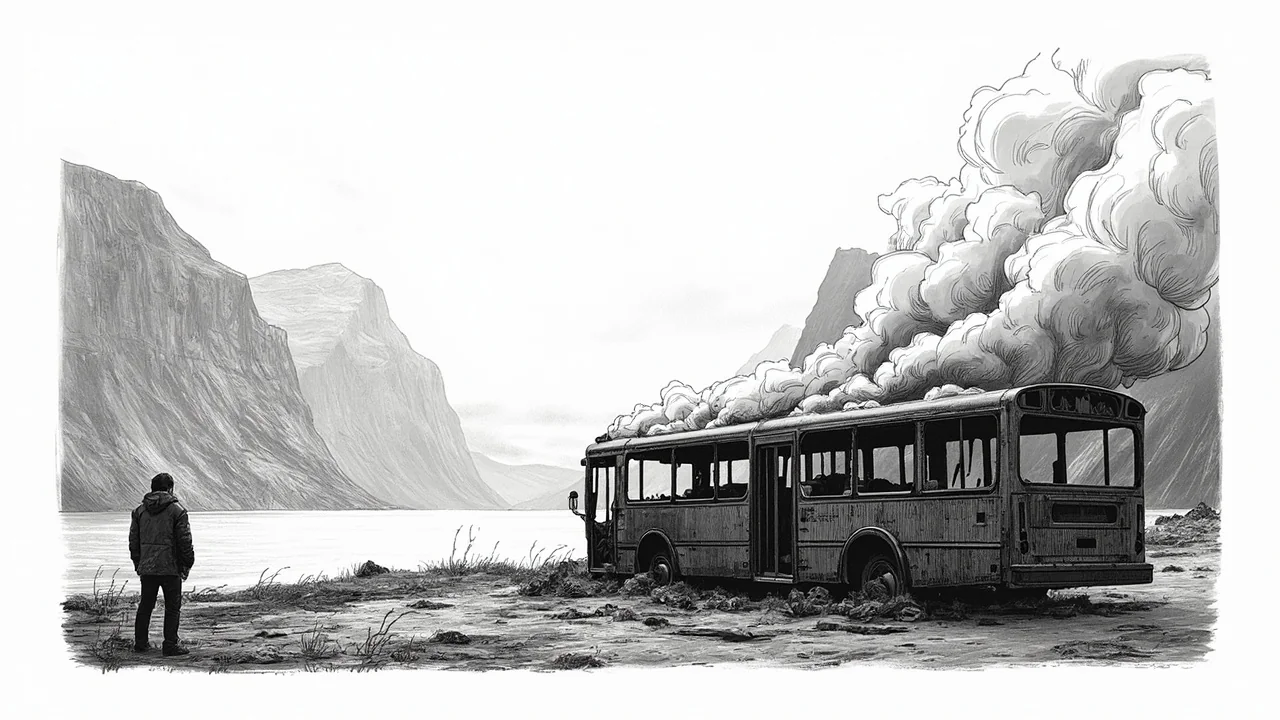
Norway's Enebakk bus fire last July left one dead and two injured, with a 16-year-old boy now admitting negligent conduct in a case that has shaken the local community. The incident occurred on the afternoon of July 5th on a bus along Enebakkveien in Nordre Follo, when the youth, then 15, brought gasoline on board that ignited. Fifteen passengers were present during the blaze, which resulted in the death of 75-year-old Fazia Begum from her injuries and serious harm to two others. This admission of guilt for negligent gross creation of danger to the public marks a pivotal moment in a tragedy that underscores the fragile boundaries between youthful recklessness and public safety.
The Fatal Incident on Enebakkveien
On a summer afternoon last July, routine travel turned to chaos on a bus in Enebakk, a municipality in Viken county. Passengers aboard the vehicle on Enebakkveien were suddenly confronted with flames after a container of gasoline carried by a teenage boy caught fire. Emergency services responded swiftly, but the damage was severe. The blaze not only caused immediate panic but led to long-term consequences, with three individuals suffering critical injuries. One of them, Fazia Begum, a 75-year-old woman, succumbed to her wounds days later, turning the event into a homicide investigation. The scene, described by witnesses as chaotic and terrifying, highlighted the vulnerabilities in everyday public transport settings.
Legal Proceedings and Admission
In the aftermath, police investigators initially considered the act intentional, pointing to the deliberate carrying of gasoline onto the bus. However, the Norwegian National Authority for Investigation and Prosecution of Economic and Environmental Crime, known as Riksadvokaten, concluded that the boy acted negligently rather than with intent. This distinction is crucial in Norwegian law, where negligence involves a failure to exercise reasonable care, whereas intent implies purposeful action. The 16-year-old, through his defense lawyer, has acknowledged guilt for uaktsom grov fremkalling av fare for allmennheten, translating to negligent gross creation of danger to the public. His defense stated that the incident was an accident, with the boy merely intending to smell the gasoline container, a claim that aligns with the prosecutor's negligence finding. This legal resolution shifts the focus from criminal intent to the consequences of careless behavior, a nuance that will influence the upcoming sentencing in Norwegian courts.
Victim Impact and Community Response
The human toll of the fire extends beyond the immediate injuries. Fazia Begum's death has left a void in her family and the broader community, sparking discussions on safety protocols for public transportation in Norway. The two other injured passengers faced prolonged recovery, with physical and psychological scars that underscore the incident's severity. Local residents in Enebakk and Nordre Follo have expressed grief and concern, questioning how such an event could occur in a typically safe environment. Community leaders have called for increased awareness around hazardous materials, though no formal policy changes have been announced yet. This tragedy serves as a somber reminder of how quickly ordinary moments can escalate, affecting lives irreversibly.
Broader Implications for Public Safety
The Enebakk bus fire has implications beyond the courtroom, touching on issues of public safety and preventive measures in Norway. While the country boasts low crime rates and high trust in public institutions, incidents like this expose gaps in enforcing regulations against carrying dangerous items on transport. Authorities may revisit guidelines for bus operators and conduct safety campaigns, especially targeting younger demographics. The case also highlights the role of negligence in causing harm, a concept that intersects with insurance claims and civil liabilities for damages. As the legal process moves toward sentencing, observers will watch for any precedents set regarding juvenile offenders in fatal negligence cases, potentially influencing future policy discussions in the Storting on youth crime and safety legislation.