
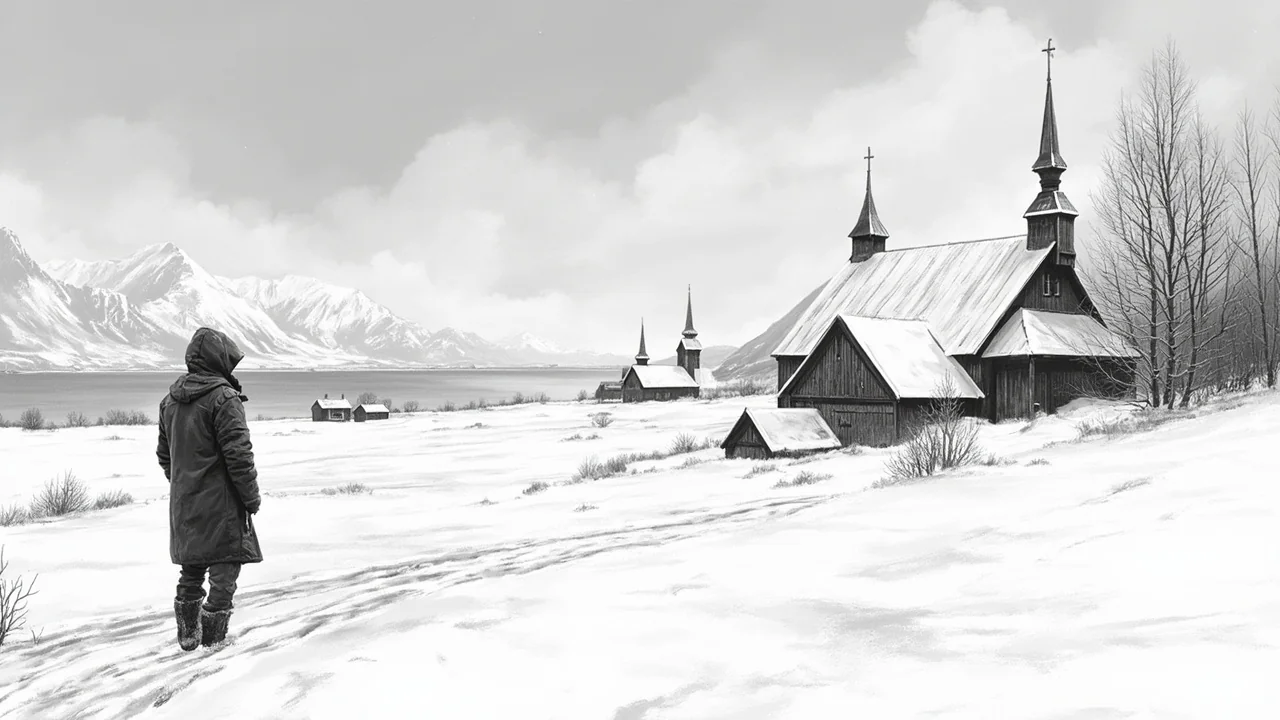
Norwegians from Kristiansand to Kirkenes are digging in for an extended deep freeze as the country's coldest January since 2010 shows no sign of relenting. Meteorologists now predict sub-zero temperatures will grip most regions for at least another two weeks, disrupting travel and defining daily life across the nation. The persistent cold, driven by a stagnant high-pressure system, offers little snow but plenty of challenges for commuters and opportunities for winter sports enthusiasts.
A Nation in the Grip of Winter
January's ranking as the coldest in over a decade is not an anomaly but the prelude to a prolonged cold spell. Vakthavende meteorolog Charalampos Sarchosidis at the Meteorologisk institutt said the pattern is firmly set. 'I think we will keep the minus temperatures for the next two weeks as well,' Sarchosidis said. He attributes this to a high-pressure system parked over Scandinavia, funneling cold easterly winds from Russia. 'The high pressure is stationary, which has made January very cold. I cannot see any change in the pattern, so it will probably be cold, stable weather for many days ahead, also the whole next week,' he explained. This setup means consistently low temperatures without the heavy snowfall often associated with Norwegian winters, leading to a dry, sharp cold.
Regional Forecast: Patchwork of Sun and Snow
Conditions vary significantly across Norway's diverse geography. On the Sørlandet and Østlandet, temperatures have been below freezing for a fortnight, and that is expected to continue. The coming days will bring a mix, with today and Thursday likely offering the most sun on the Østlandet before snow arrives on Friday. 'Not north of Oslo, but rather in Buskerud, in Telemark and Vestfold and in Østfold,' Sarchosidis noted. The weekend will see overcast weather with scattered snow and sunny breaks in these areas. For those seeking sunshine, Sarchosidis advised, 'If you are on the Eastland and really want sun, then it is probably better to stay in Innlandet.' Indeed, Innlandet will see the coldest nights, with temperatures plummeting to between minus 15 and 20 degrees Celsius this weekend.
Travel warnings are in effect for mountain passes between Vestlandet and Østlandet due to strong winds and blowing snow. 'There will be quite a lot of wind in the mountains, and then heavy snowdrift, so you must be prepared that trips over the mountain may take a little longer than usual,' Sarchosidis said. On the Vestlandet, minus degrees are expected inland, while the coast may see a couple of degrees above zero. Central Norway, particularly Trøndelag, is forecast to have the best weather in the country with plenty of sun but still below freezing. In the north, conditions split: Nordland from Bodø southward will see fine weather, but areas north of Bodø in Troms and Finnmark expect onshore winds bringing snow and sleet showers, with plus degrees on the coast leading to slush.
The Broader Implications of the Freeze
This extended cold period has tangible effects beyond the thermometer. The lack of significant snowfall, with only intermittent snow expected, presents a double-edged sword. For the tourism and recreation sector, it alters the traditional winter landscape. Cross-country skiers may find limited fresh powder, but the stable cold conditions are favorable for prepared ski trails. Downhill resorts rely on artificial snowmaking, which becomes more efficient in sustained low temperatures. The energy sector faces increased demand for heating across residential and commercial buildings, though the source material does not specify impact on Norway's hydropower or oil infrastructure. Historically, such cold snaps test the national grid and boost consumption of electricity and heating oils, a point of analysis for energy watchers in Oslo.
Transport infrastructure is particularly vulnerable. The combination of ice, wind, and blowing snow in mountain passes like those connecting east and west Norway requires extra vigilance from road authorities and drivers. Ferry services along the coast may face delays due to wind, while airports contend with de-icing procedures and potential visibility issues. For daily life, it means higher utility bills, the need for winter tires, and health advisories for vulnerable populations exposed to the cold. Municipalities in inland areas like Innlandet are accustomed to such extremes, but prolonged periods strain social services and increase risks of frostbite and hypothermia.
Historical Context and Pattern Recognition
Understanding this cold spell requires looking back. January 2010 was notably severe, and this year's temperatures have rivaled that benchmark. Such persistent high-pressure cold events are a feature of Norway's continental climate influence, especially in the east. They contrast with the milder, wetter conditions often brought by Atlantic lows from the west. This pattern's stability is key, the stationary high pressure prevents warmer air masses from moving in, locking in the cold. While not unprecedented, the duration is noteworthy. Meteorologists monitor these patterns for clues about seasonal shifts, but Sarchosidis sees no immediate change. This consistency allows for reliable short-term forecasting but leaves long-term uncertainty about when a thaw might arrive.
Expert Perspective on the Weeks Ahead
Charalampos Sarchosidis provides the clearest expert outlook. His analysis is grounded in real-time data showing the high pressure's firm position. 'The situation now is that we have a high pressure over Scandinavia. The placement of the high pressure means we get cold easterly wind from Russia,' he said. This explains the dry cold and limited precipitation. For those planning activities, he offers specific guidance: seek sun in Innlandet, expect snow in specific southern and eastern districts, and prepare for windy mountain travel. His forecast lacks any indication of a warming trend, suggesting Norwegians should adapt to this reality for the foreseeable future. The implication is a winter defined more by biting cold than by deep snowdrifts, affecting everything from agriculture to outdoor events.
As Norway endures this extended freeze, the resilience of its people and infrastructure is on display. The cold is a fact of life in the north, but its persistence into February will be remembered. With no major snowfalls forecast, the landscape may remain crisp and icy, a silver lining for some and a hardship for others. All eyes remain on the skies for any shift in the pattern, but for now, the message from meteorologists is clear: bundle up, plan for delays, and perhaps enjoy the rare winter sun when it appears.