
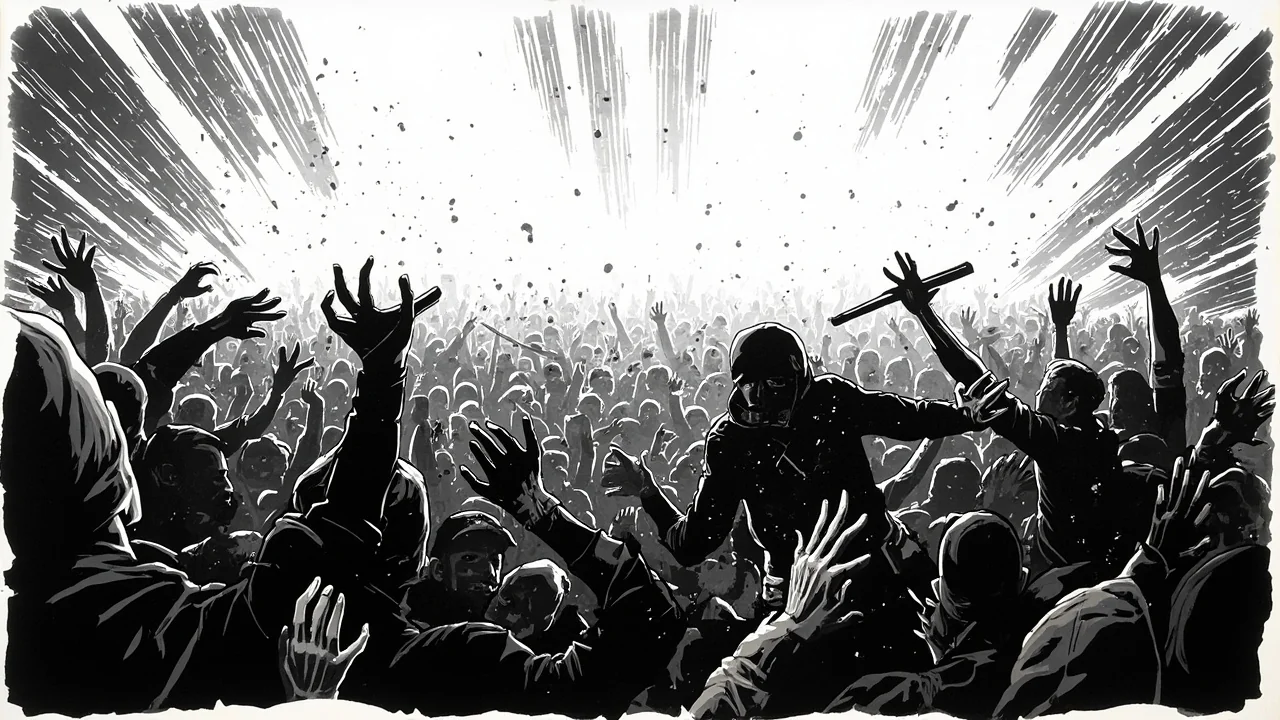
Norway police issued a direct warning to parents to keep minors away from a country star's concert, a caution that proved necessary after multiple brawls erupted among the packed crowd of 1,100 people. Operasjonsleder Helene Strand of the Sør-Vest police district relayed a local request on Saturday, urging that minors avoid the concert area when artist Tobias Sten was set to perform that evening. 'Experience shows this leads to uncomfortable situations and public disorder. We ask parents and young people for help in following up on this,' Strand wrote in the police log ahead of the sold-out event in Etne.
A Preventative Plea Goes Unheeded
The police warning was not an isolated alert. Strand confirmed a similar message had been sent through the local school system earlier in the week, indicating coordinated concerns from authorities and educators. 'We hope the parents have control over this,' Strand stated. The decision to proactively patrol was clear, with police planning multiple drive-bys throughout the evening. This preventative approach underscored specific, known risks associated with the event, despite the performer's mainstream success. Tobias Sten, from Stord, broke through after winning the 2024 'Norges nye countrystjerne' competition and has frequently ranked as one of Norway's most-played artists, drawing a significant and passionate young fanbase.
Predictable Chaos Erupts
By 9:35 PM, the concerns of police and school officials were validated. Strand updated the log to confirm officers were on scene responding to multiple fights. 'There are several brawls inside. Security and police are trying to get an overview and control, but it is very difficult because it is so crowded with people,' she wrote. The description highlighted the challenge of managing disorder in a densely packed, sold-out venue, where rapid intervention is physically hampered by the crowd itself. The incident transformed a cultural event into a public safety operation, diverting police resources to restore order.
Order Restored With a Simple Message
The situation had calmed by 10:00 PM, according to Strand's update to media. Her concluding remark shifted from operational reporting to a direct, public appeal aimed at the core of the issue. 'Listen to the music instead of fighting,' she stated. This succinct closing served as both a summary of the night's unnecessary disruption and a broader commentary on the event's purpose. The police's actions throughout the evening followed a clear arc: a pre-emptive warning based on past experience, a reactive deployment to control violence, and a final plea for common sense.
The Broader Context of Event Policing
The incident in Etne reflects recurring challenges Norwegian police face in managing large, youth-oriented gatherings. The decision to issue a public warning prior to the event, coordinated with schools, is a recognized tactic to shift some responsibility for supervision to parents and reduce the likelihood of juvenile involvement in trouble. The police's transparent communication via their public log also serves as a community notification tool, setting public expectations and documenting their operational rationale. When such warnings are ignored, the result is a predictable strain on local police and security resources, pulling them away from other duties to manage preventable conflicts.
Artist Profile and Audience Dynamics
Tobias Sten's rapid rise to prominence, catapulted by a televised competition win, has created a fervent following in a relatively short time. This type of rapid-star trajectory can sometimes outpace the development of mature crowd culture at live events. While the music itself is not cited as a cause, the demographic it attracts—and the intense, sometimes rowdy concert environment that can form around a new, popular act—becomes a factor in public safety planning. Police assessments are often based on behavior observed at previous events, suggesting a pattern of disorder has been established with this artist's performances, warranting the specific warning about minors.
Aftermath and Community Impact
The fallout from such an event extends beyond the concert hall. Local residents deal with the disruption, the municipality and event organizers face scrutiny over security planning, and the police must expend significant manpower on a single incident. For parents who heeded the warning, the violence confirmed its necessity, for those who did not, it presented a serious safety risk to their children. The event also impacts the artist's reputation, potentially leading to stricter security mandates or insurance costs for future concerts. A single night of chaos can influence how similar events are permitted and policed across the region.
A Question of Responsibility
The central question posed by the evening is where the responsibility lies for preventing such violence. The police clearly placed initial onus on parents, using school networks and public logs to communicate their concern. The effectiveness of this strategy was limited, as the fights still occurred. This suggests a need for a multi-party approach involving event promoters, venue security, local authorities, and attendees themselves. The police's final, simple admonishment to 'listen to the music instead of fighting' underscores a frustration with the wastefulness of the violence, implying the solution is ultimately about individual choice within the crowd.