
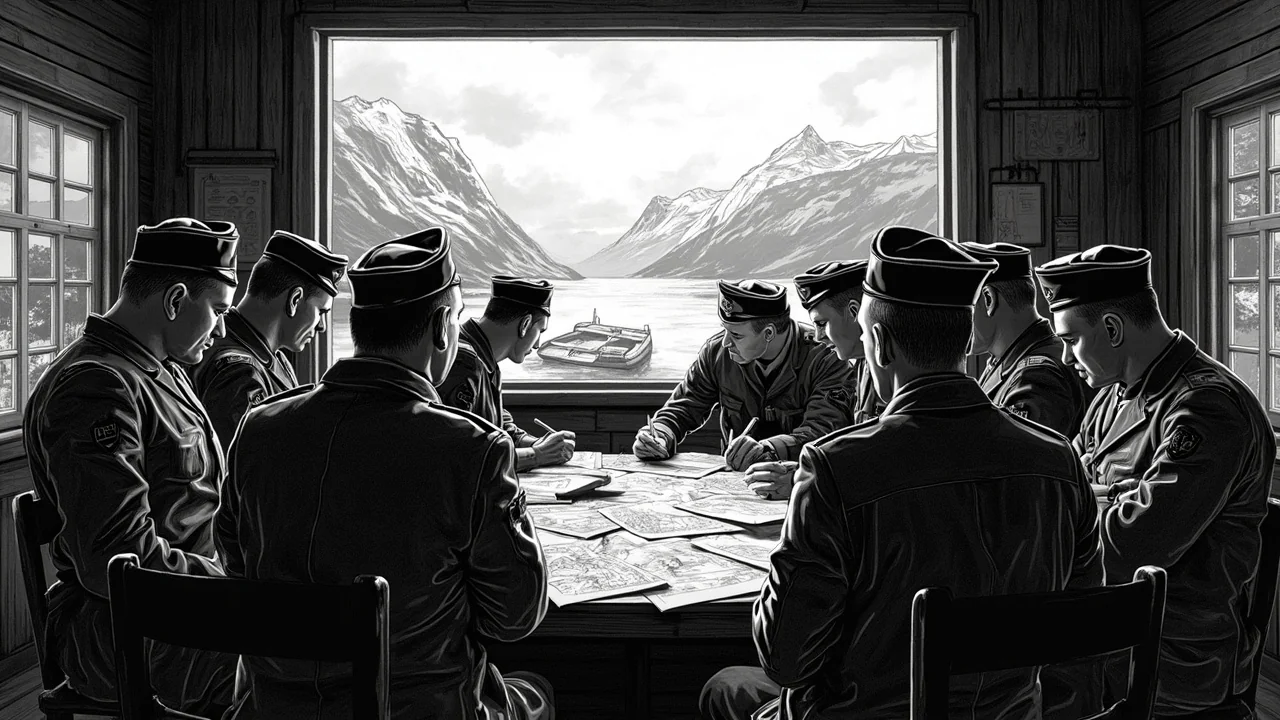
Norway's Defense Force is moving to end a decades-old ban on alcohol consumption for conscripts on military bases. This push follows over fifty years of advocacy by the military's own enlisted representatives, who argue the current rule forces young soldiers to drink in unsafe and inappropriate locations.
A Rule That 'Does Not Work'
The current law, embedded in Norway's Defense Act, prohibits soldiers in their initial national service from drinking alcohol on military property. Permanent staff, however, are permitted to drink in designated mess halls. This creates a two-tier system where conscripts must leave the base to consume alcohol. Chief Sergeant Rune Wenneberg, a senior enlisted leader, has now thrown his support behind changing this rule. 'We have given these soldiers a lot of responsibility, we have given them weapons, they are to fight, die and bleed for their country. To me, it is natural that they should be allowed to have a beer in the canteen,' Wenneberg stated in an interview.
The military's own Ombudsman scheme (TVO) is leading the charge, proposing a trial project to allow conscripts to drink on base. The national ombudsman, Erik Gullikstad, is blunt in his assessment. 'The fact is that the arrangement today is not sustainable,' he said. He detailed that the TVO is aware of numerous problematic incidents stemming from the current policy, including soldiers urinating in public places. 'They drink in the woods, schools and kindergartens and other places where it is not good for either the Defense Force or themselves that they drink,' Gullikstad explained, highlighting the unintended social and disciplinary consequences of the ban.
A Half-Century of Debate
This is not a new controversy. The push for reform has a long history within the Norwegian armed forces. Ombudsmen first formally raised the issue in 1972, requesting that conscripts be allowed to buy beer in the canteen. That proposal was swiftly rejected by the then-Defense Minister Johan Kleppe of the Liberal Party. For the subsequent five decades, the TVO has continued to work on the issue, meeting repeated political and institutional resistance to changing the status quo. The persistence of the debate underscores its symbolic and practical importance for military culture and the treatment of conscripts, who form the backbone of Norway's national defense.
The core argument from advocates has remained consistent: treating adult conscripts, who are entrusted with significant duties and weaponry, as incapable of responsible alcohol consumption in a controlled setting is illogical and counterproductive. Opponents, historically, have cited concerns over discipline, underage drinking, and maintaining a strict professional environment during mandatory service. The current initiative represents the most significant chance for change in years, given the high-level backing from within the military's own senior enlisted leadership.
The Path to Legal Change
For the proposed trial project to become a reality, a formal change in the law is required. The Defense Staff has prepared a proposal for an amendment to the Defense Act and has submitted it to the Ministry of Defense for review. This formal step moves the issue from internal military discussion to the political arena. The ministry will now evaluate the proposal, considering factors beyond military preference, including public opinion, health policy, and the overall societal message regarding alcohol.
The outcome is uncertain. While the military's leadership, through figures like Chief Sergeant Wenneberg, now advocates for a controlled experiment, the final decision rests with elected officials. The ministry may choose to advance the amendment to the Storting for a vote, modify it, or reject it outright. The debate will likely hinge on whether policymakers are persuaded that the current law creates more public nuisance and risk than a regulated, on-base drinking policy would.