
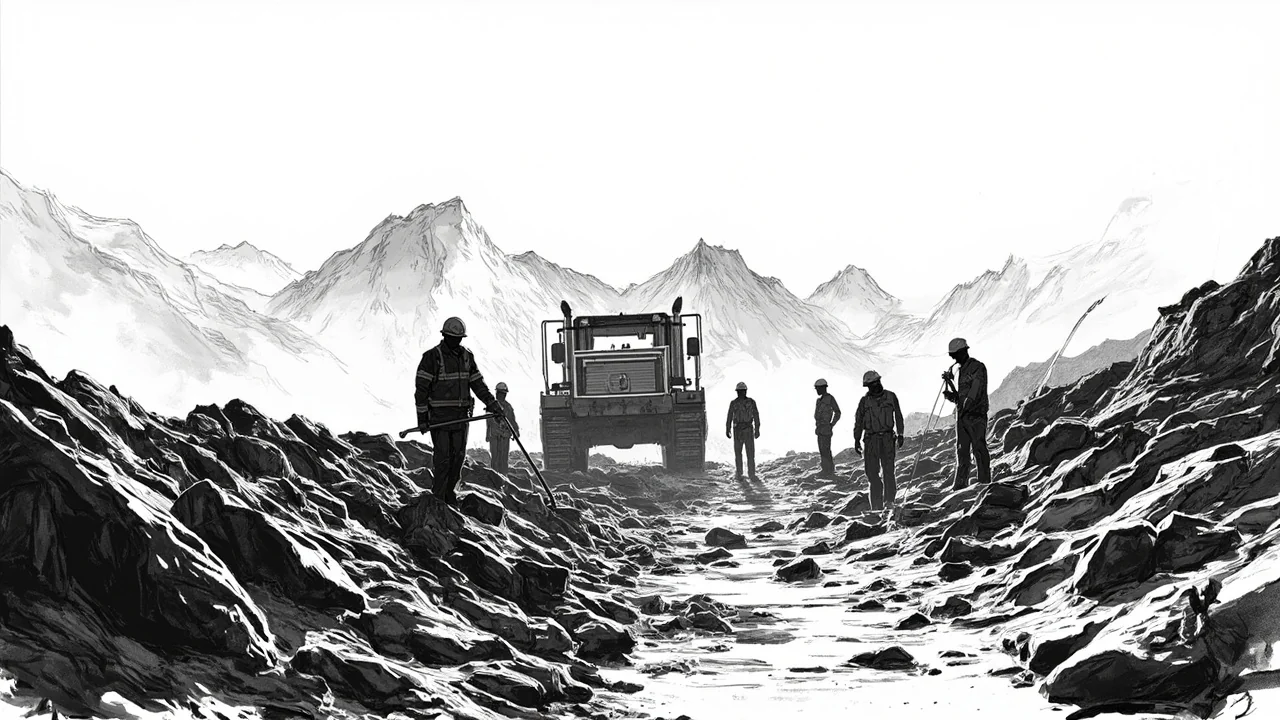
Norway's E6 highway near Saltfjellet will face repeated short closures next week as authorities conduct blasting work to address critical bridge weaknesses. The National Road Administration (Vegvesenet) has scheduled stoppages from January 26 to 29, directly impacting one of the country's key Arctic transport corridors. This action follows the discovery of structural flaws in the Viskisbrua bridge over Lønselva, which has forced light-regulated traffic since July. With an average of 1,300 vehicles using the bridge daily, including a significant number of heavy goods vehicles, the disruptions highlight vulnerabilities in northern infrastructure. The planned blasts are part of efforts to install a temporary bridge, ensuring safe passage while permanent assessments are made. This move underscores the ongoing challenges of maintaining vital routes in Norway's harsh northern climates, where engineering and logistics must contend with extreme weather and remote locations. The E6 serves as a lifeline for communities and industry, connecting southern regions to the Arctic, and any interruption has ripple effects on supply chains and daily commutes. Authorities emphasize that closures will be brief, but the necessity reflects deeper issues in infrastructure monitoring and response. As Norway continues to invest in northern development, incidents like this test the resilience of its transport networks. The Vegvesenet's proactive approach aims to prevent more severe failures, but it also raises questions about the longevity of aging bridges across the country. This event is a reminder of the constant balance between maintenance and mobility on Norway's most traveled roads. The closures are set for 12:00 and 15:00 each day, lasting up to 15 minutes per stoppage, minimizing inconvenience but requiring driver vigilance. Local businesses and transport operators have been notified, with contingency plans in place for delays. The blasting work is precise, targeting rock areas adjacent to the bridge to facilitate temporary structure placement. Data shows that one in six vehicles on this stretch are long haulage units, emphasizing the route's importance for commercial freight, including materials linked to energy and maritime sectors. In the broader context, Norway's Storting has allocated funds for highway upgrades, but spot repairs like this reveal gaps in systemic oversight. The Saltfjellet region, known for its rugged terrain, poses unique challenges for road engineers, who must adapt to shifting ground conditions and environmental stresses. This project aligns with national strategies to bolster Arctic connectivity, supporting industries like fishing, mining, and tourism that depend on reliable transport. However, the sudden need for blasting suggests that earlier inspections may have missed signs of deterioration, prompting calls for enhanced monitoring protocols. As work proceeds, the Vegvesenet will assess the bridge's long-term viability, with potential for a replacement if weaknesses persist. The temporary solution is a stopgap, but it allows traffic flow while safeguarding public safety. For drivers, the advice is to plan trips around closure times and expect minor delays during the four-day period.
Critical Bridge Flaws and Immediate Response
The Viskisbrua bridge on E6 over Lønselva was found to have edge weaknesses earlier this year, leading to immediate traffic restrictions. The Vegvesenet detected anomalies in the bridge's structure during routine inspections, prompting a downgrade to light-regulated use from July. These flaws, though not detailed publicly, involve the bridge's supporting edges, which could compromise safety under heavy loads. Such discoveries are not uncommon in Norway's extensive road network, where bridges face wear from traffic and climate. The response involves installing a temporary bridge alongside the existing one, a measure that requires blasting to prepare the site. This approach avoids full closure, which would sever a crucial north-south link. The decision reflects standard protocol for high-traffic routes, where minimal disruption is prioritized. Engineers have calculated the blast intensity to ensure stability, with closures kept short to reduce impact. The Vegvesenet has a history of managing similar issues on Arctic highways, where permafrost and temperature swings exacerbate structural stress. This case echoes past incidents on roads like the E69 or near Narvik, where rapid repairs were essential for regional economies. The agency's statement highlights a commitment to safety, but also the logistical hurdles of remote work. Funding for such projects often comes from national budgets, approved by the Storting, underscoring the political dimension of infrastructure upkeep. As Norway eyes increased Arctic activity, from oil exploration to shipping, road reliability becomes a strategic concern. This bridge repair, while localized, fits into larger patterns of investment in northern resilience.
Blasting Schedule and Traffic Management Details
Blasting work will occur from Monday, January 26, through Thursday, January 29, with daily closures at 12:00 and 15:00 for up to 15 minutes each. These times are chosen to coincide with lower traffic peaks, based on historical flow data showing reduced volumes during midday periods. The Vegvesenet has coordinated with local police and emergency services to manage the stoppages, ensuring swift response if incidents arise. Drivers are advised to monitor real-time traffic updates via official channels, as weather conditions on Saltfjellet can affect timing. The average daily traffic of 1,300 vehicles includes approximately 217 long vehicles, such as trucks carrying goods to Arctic ports or industrial sites. This composition means delays could impact supply chains for sectors like oil and gas, where equipment transport relies on timely highway access. The blasting itself involves controlled explosions to clear rock for the temporary bridge's foundations, a technique used frequently in Norwegian road projects. Safety zones will be established, with no access permitted during blast times. The Vegvesenet has deployed signage along E6 approaches, warning motorists of the planned disruptions. Alternative routes are limited in this mountainous region, making compliance essential for smooth operations. Past blasting projects on highways like the E16 or near Trondheim have shown that brief closures can prevent longer-term shutdowns, a trade-off authorities emphasize. For residents and businesses, the four-day window is a minor inconvenience compared to potential bridge failure. The agency will evaluate traffic flow post-work, adjusting signals or regulations if needed. This management strategy aligns with Norway's focus on efficient infrastructure, where technology and planning minimize human impact.
Broader Implications for Arctic Transport and Policy
The E6 closures near Saltfjellet resonate beyond immediate traffic delays, touching on Norway's Arctic policy and energy sector logistics. This highway is a backbone for transporting goods to northern regions, including equipment for oil fields in the Barents Sea or mining operations in Finnmark. Disruptions here can cascade, affecting timelines for projects reliant on just-in-time delivery. In recent years, the Storting has debated increased funding for northern highways, citing economic and security interests. Incidents like the Viskisbrua weaknesses bolster arguments for accelerated upgrades, potentially influencing future budget allocations. The Vegvesenet's actions reflect a reactive approach, whereas proponents of proactive maintenance call for more robust inspection regimes. Norway's climate goals also intersect with infrastructure, as electric vehicle adoption and green transport require reliable roads. The temporary bridge solution, while effective, hints at a patchwork system where repairs outpace replacements. Data from similar Arctic routes shows that traffic volumes are growing, driven by tourism and industry, pressuring aging structures. Government reports highlight the E6's role in national cohesion, linking Oslo to Kirkenes, and any weakness demands attention. As Magnus Olsen, I note that energy companies monitor such closures for supply chain risks, given Norway's oil production figures, which exceed 2 million barrels per day. The blasting work, though minor, underscores the interdependence of transport and resource sectors in the north. Looking ahead, the Vegvesenet may seek Storting support for broader bridge assessments, especially on key fjord crossings like those near Sognefjord or Tromsø. This event is a microcosm of larger challenges in sustaining Norway's expansive road network amid environmental and economic shifts.