
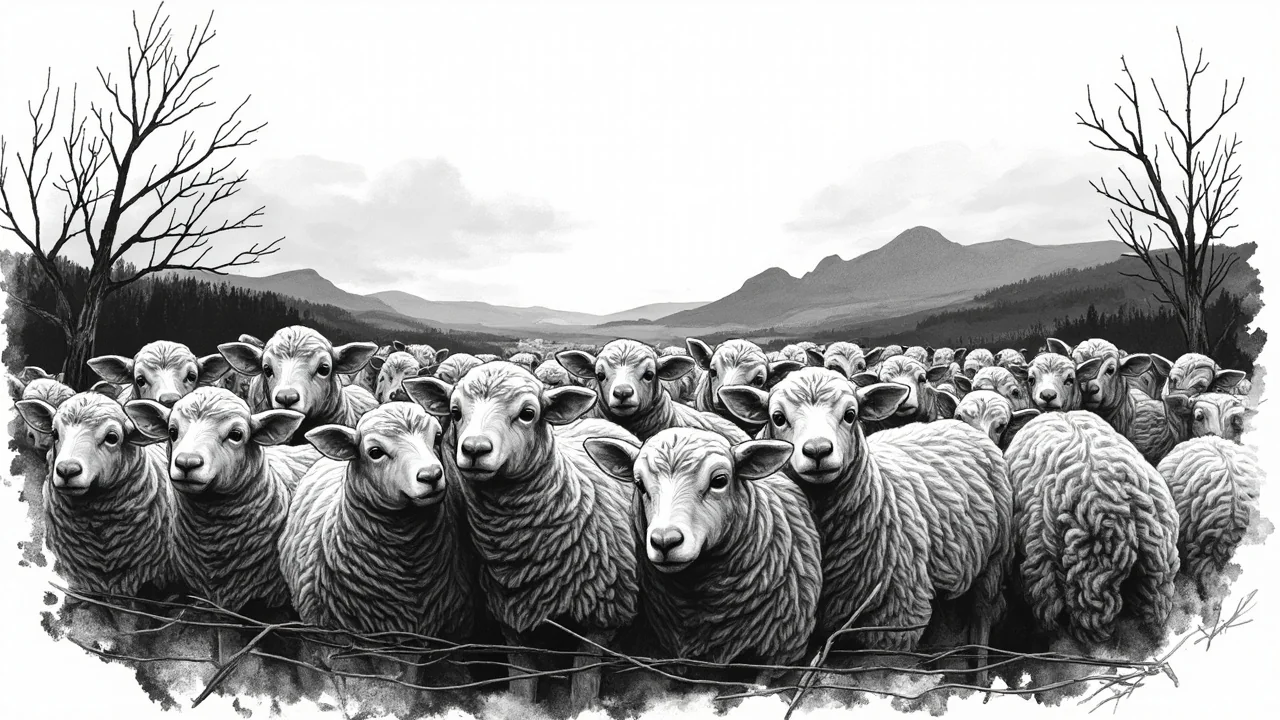
Twelve lambs survived nearly three days forgotten in a livestock transport vehicle at a Nortura facility in Målselv, Norway. The incident occurred in November when the lambs were left in the vehicle after unloading, only discovered when the driver prepared for a new collection. Norway's Food Safety Authority, Mattilsynet, attributed the event to failures in both the driver's and the receiving facility's control routines. While temperatures dropped to minus 6.9 degrees Celsius, the lambs were found alive and in good condition, subsequently receiving food, water, and shelter in a warm barn.
A Cold November Oversight
The scene at Nortura's Målselv plant in late November was typical for the region, with frost settling over the landscape as the facility handled routine livestock operations. According to reports, the lambs had been transported to the site but were never unloaded, remaining in the vehicle for approximately 72 hours. The vehicle stood outdoors during this period, exposed to sub-zero temperatures that posed a significant risk to animal welfare. It was only when the driver returned to clean and prepare the transport for another job that the lambs were found, highlighting a critical lapse in post-unloading checks. Nortura, a major cooperative owned by Norwegian farmers, processes a substantial portion of the country's meat, making such oversights particularly concerning for industry standards.
Mattilsynet's Findings and Response
Mattilsynet's investigation pinpointed a breakdown in standard protocols, noting that neither the driver nor the receiving staff had verified the vehicle was empty after the initial unloading. This failure in dual control routines allowed the lambs to be overlooked, raising questions about the effectiveness of existing safety measures in Norway's agricultural sector. The authority emphasized that proper inspection procedures are mandated under Norwegian animal welfare regulations, which require ensuring livestock are handled humanely during transport and processing. In this case, the lambs' survival in cold conditions was fortunate, but Mattilsynet underscored that such incidents can lead to severe outcomes, including animal suffering or death, which would violate national laws.
Nortura's Corrective Measures
In response to the incident, Nortura has proposed a straightforward corrective action: requiring barn personnel to physically inspect transport vehicles alongside drivers after unloading to confirm they are completely empty. This measure aims to prevent recurrence by adding a layer of accountability and visual verification. Nortura stated that the lambs were promptly cared for upon discovery and showed no immediate signs of distress, but the company acknowledged the seriousness of the procedural failure. As a key player in Norway's food industry, Nortura's operations are scrutinized under the country's stringent food safety and animal welfare frameworks, which are often cited as among the world's most rigorous. The proposed fix aligns with broader industry practices but highlights how routine tasks can still fall through the cracks without diligent oversight.
Broader Implications for Norwegian Agriculture
This incident sheds light on potential vulnerabilities in Norway's livestock supply chain, even within a system known for high regulatory standards. Animal welfare is a cornerstone of Norwegian agricultural policy, with laws governing transport conditions, including limits on journey times and requirements for adequate space, ventilation, and care. The Målselv case suggests that enforcement of these rules relies heavily on human diligence, which can occasionally waver. Industry observers note that similar lapses, though rare, have occurred in past years, prompting calls for enhanced technological solutions, such as digital checklists or sensor-based monitoring in transport vehicles. However, any changes must balance cost with practicality, especially in remote regions like Målselv, where agriculture is a vital economic activity.