
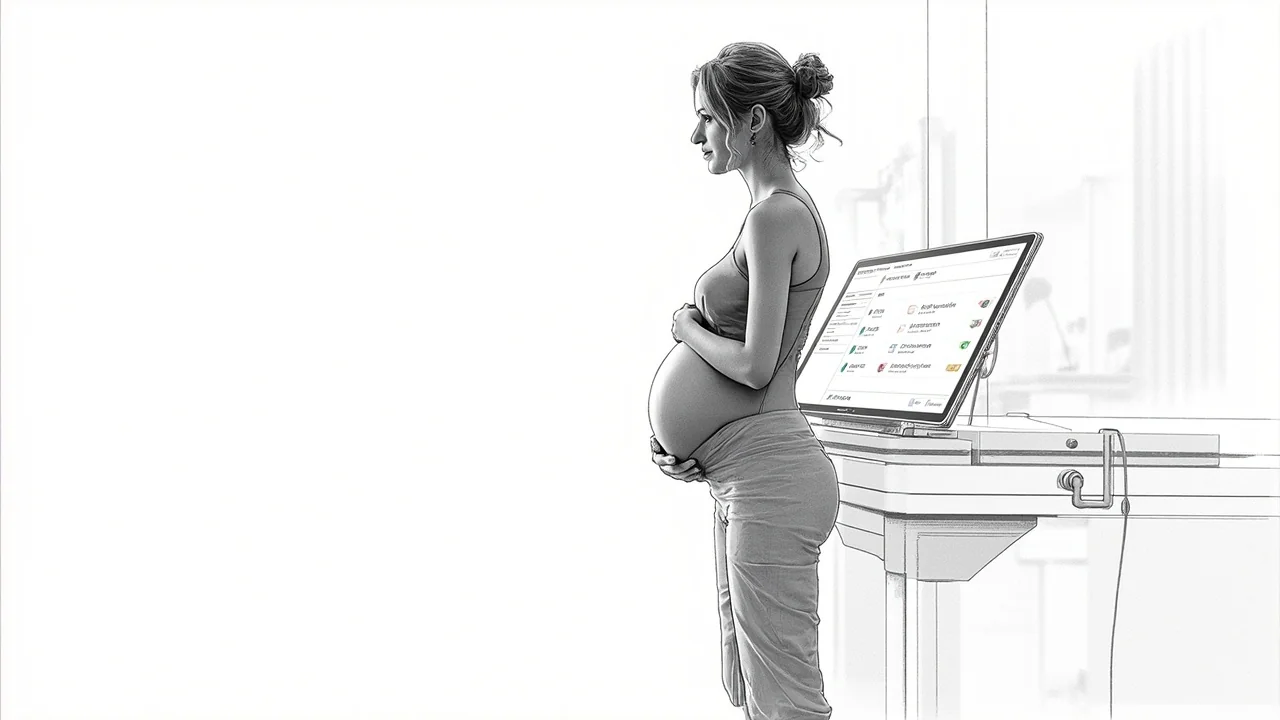
Norway’s digital maternity card is now available to all general practitioners nationwide, with municipal health stations set to gain access in March, the government announced. The move replaces decades-old paper-based records used during pregnancy care, marking a significant shift in how prenatal services are documented and shared across the health system.
A Long-Awaited Digital Shift
Health and Care Services Minister Jan Christian Vestre confirmed the nationwide rollout in a press release, calling it a necessary step toward modernizing Norway’s health infrastructure. “We aim to have the world’s most digitized health services, and we can no longer rely on a worn piece of paper for pregnant women’s health records,” Vestre said. “It must be digital.”
The digital maternity card—known in Norwegian as det digitale helsekortet for gravide—has been tested in select regions over recent years. Now, every general practitioner (fastlege) across Norway’s 356 municipalities can begin using the system immediately. Municipal child health clinics (helsestasjoner), which play a central role in prenatal follow-up, will receive full access starting in March.
How the System Works
The digital card serves as a centralized, secure platform where healthcare professionals can record and access key information throughout a pregnancy. This includes ultrasound results, blood test outcomes, vaccination status, and notes from consultations. Unlike the old paper version—which could be lost, damaged, or incomplete—the digital format ensures continuity of care, especially when patients move between providers or regions.
All data is stored within Norway’s national health infrastructure, complying with strict privacy laws under the Health Personnel Act and the General Data Protection Regulation (GDPR). Access is limited to authorized personnel involved in the patient’s care, and mothers retain control over who sees their information.
Vestre emphasized that adoption is voluntary but strongly encouraged. “I urge all GPs and municipal health stations to start using this solution,” he said. The Ministry of Health expects widespread uptake due to the system’s integration with existing electronic health record platforms used by primary care providers.
Why Paper Had to Go
For decades, Norwegian expectant mothers carried a small blue booklet—the graviditetsboka—to every appointment. While simple and familiar, the paper card had clear limitations. Information was often handwritten, sometimes illegible, and updates depended entirely on the patient remembering to bring it to each visit. Missed entries or misplaced cards could delay care or lead to redundant tests.
In remote areas like Finnmark or along the rugged coastline of Nordland, where travel between clinics can take hours, seamless information sharing is critical. A digital system reduces administrative burdens and allows midwives, GPs, and specialists to coordinate more effectively—even across fjords and mountain passes.
The change also aligns with Norway’s broader digital health strategy, which includes initiatives like electronic prescriptions, online specialist referrals, and national telehealth services. The maternity card is one of the last major paper-based systems in routine use to be digitized.
Implementation Timeline and Training
While GPs can begin using the digital card immediately, municipal health stations must wait until March. This phased approach allows time for staff training and technical setup in local clinics, many of which operate with limited IT resources. The Norwegian Directorate of eHealth (NDE) is providing support materials, including video tutorials and helpdesk access.
No deadline has been set for phasing out the paper card entirely. For now, both formats may coexist during a transition period. However, the ministry expects the digital version to become standard practice within 12 to 18 months.
Pregnant women do not need to take any action to receive the digital card. It is automatically created once a pregnancy is registered with a GP or midwife. Mothers can view their own records through the national patient portal, Helsenorge.no, using BankID or other approved authentication methods.
Read more: Norway Oil Fund Loses $40B as Tech Bet Backfires.
Read more: Norway Submarine Base Faces Power Grid Rejection Crisis.